The WCB Lithium battery valve plays a crucial role in the safety and longevity of lithium-ion battery systems. As the demand for lithium batteries continues to rise in a variety of industries, from electric vehicles (EVs) to renewable energy storage, ensuring the efficient and safe operation of these batteries has become a paramount concern. The WCB valve, specifically designed for lithium battery applications, provides an effective solution to managing pressure within the battery cells, safeguarding them from dangerous overpressure scenarios that can result in failure, leakage, or even catastrophic events like thermal runaway.
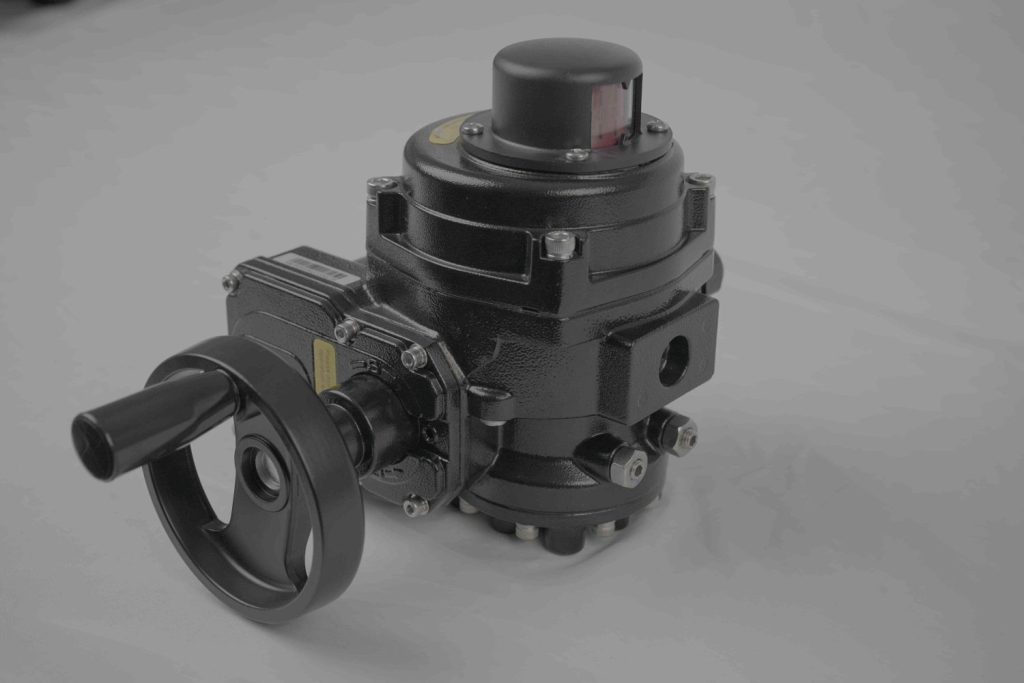
Understanding the Role of WCB Lithium Battery Valves WCB, which stands for “Water-Cooled Block,” refers to the design and function of the valve. It is an essential part of the battery’s internal management system, ensuring that any increase in internal pressure is safely regulated. Lithium-ion batteries, although highly efficient and widely used, are prone to risks if the internal pressure is not carefully managed. In instances where the battery undergoes a rapid charging or discharging cycle, or if it becomes damaged, gases can accumulate inside the cell, creating a potentially hazardous situation.