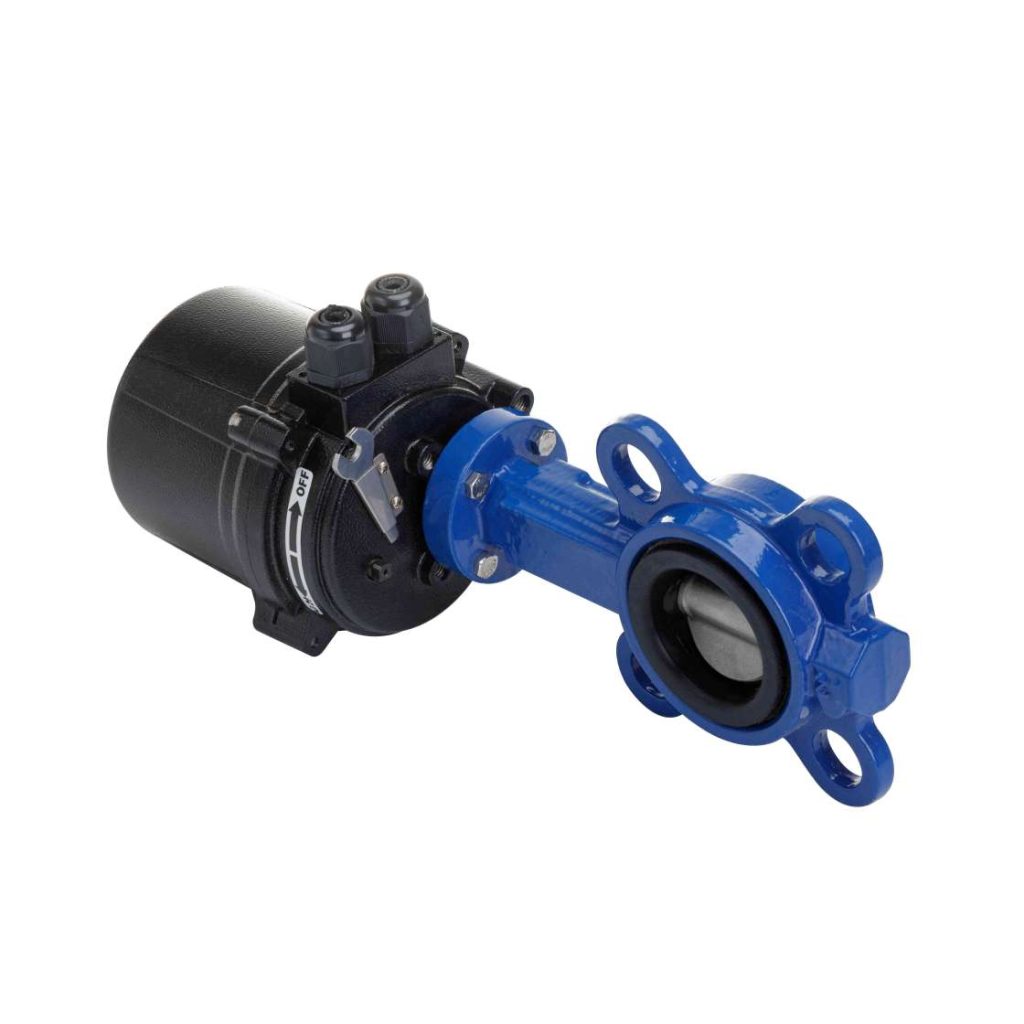
In modern agriculture, efficient water management is key to ensuring optimal crop growth, reducing waste, and conserving resources. Among the various tools available for irrigation systems, the WCB Electric Butterfly Valve has emerged as a reliable and essential component, especially in large-scale farming and automated irrigation systems. This article explores the features, advantages, and applications of the WCB Electric Butterfly Valve in agricultural irrigation.
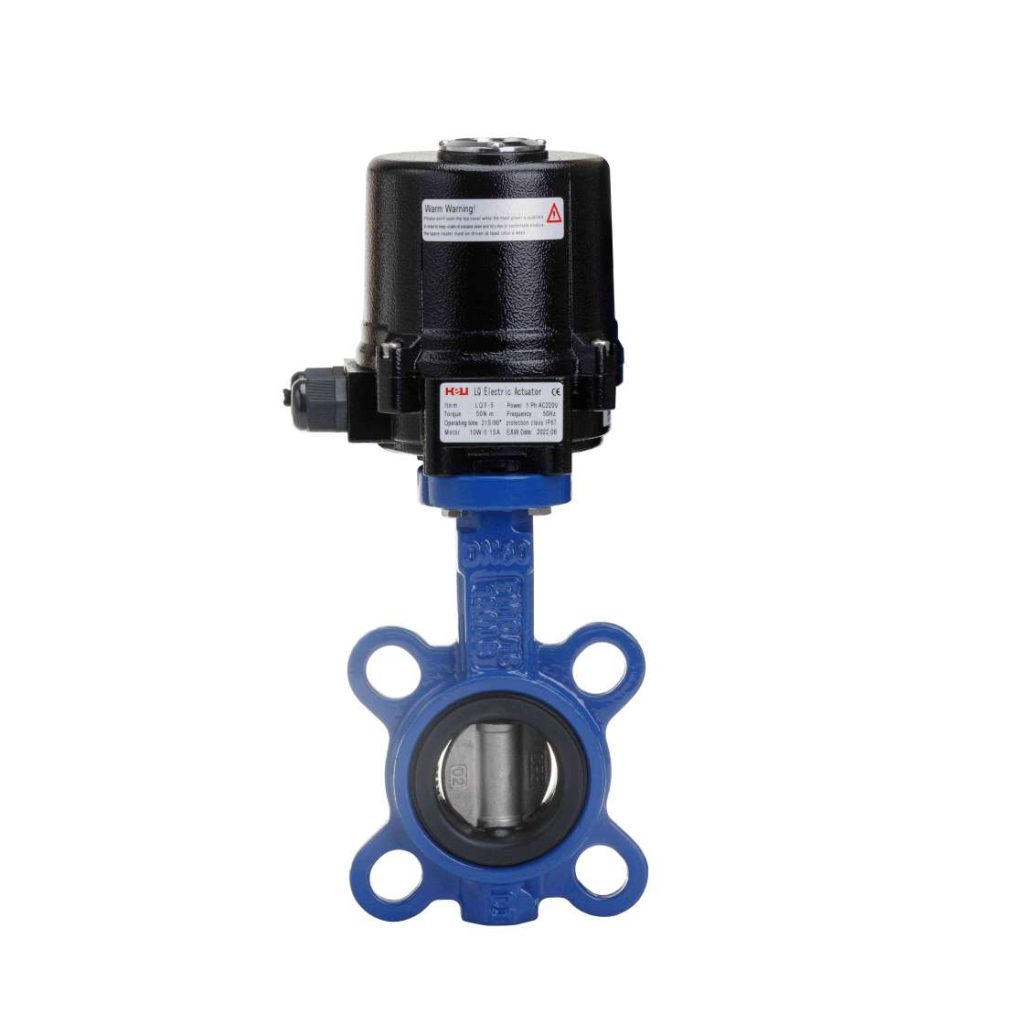
What is the WCB Electric Butterfly Valve?
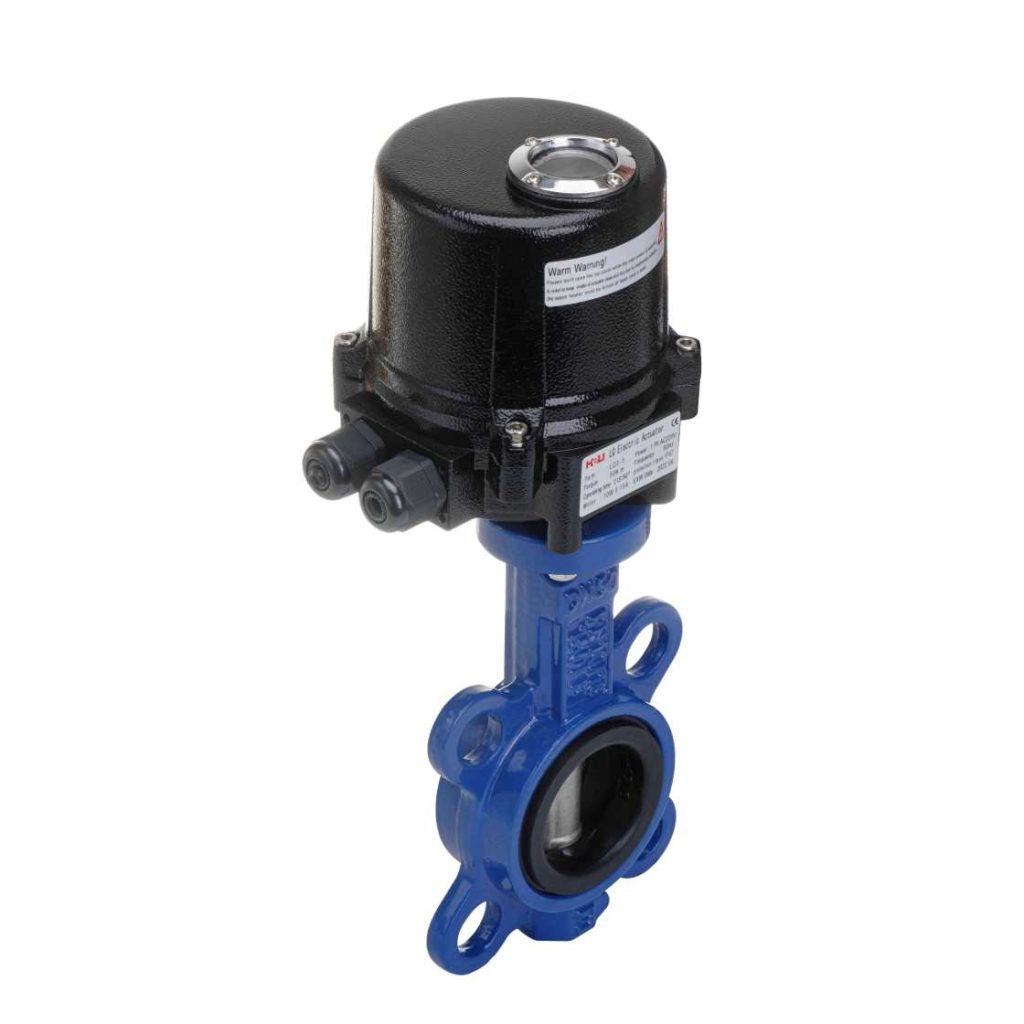
The WCB Electric Butterfly Valve is a type of valve used to regulate or isolate the flow of water in agricultural irrigation systems. It is primarily constructed from WCB (Wrought Carbon Steel), a material known for its strength, durability, and resistance to corrosion. The valve is equipped with an electric actuator that allows it to be operated remotely or automatically, offering significant control over water distribution. A butterfly valve, as the name suggests, operates with a rotating disc (or “butterfly”) that controls the water flow through the valve body. The electric actuator, often powered by electricity or an automated control system, adjusts the valve’s position to either increase or decrease the flow of water as needed. This makes the WCB Electric Butterfly Valve an ideal solution for large-scale agricultural applications.