The WCB Electric Two-Seat Regulating Valve is an essential element in modern industrial fluid control systems, providing precise regulation of flow, pressure, and temperature in a wide range of applications. Whether in the petrochemical, power generation, or heating industries, this type of valve is highly valued for its ability to deliver consistent and accurate control, contributing to the efficiency and safety of complex systems. In this article, we will explore the design, features, and applications of the WCB Electric Two-Seat Regulating Valve, shedding light on why it is an indispensable tool in various sectors.
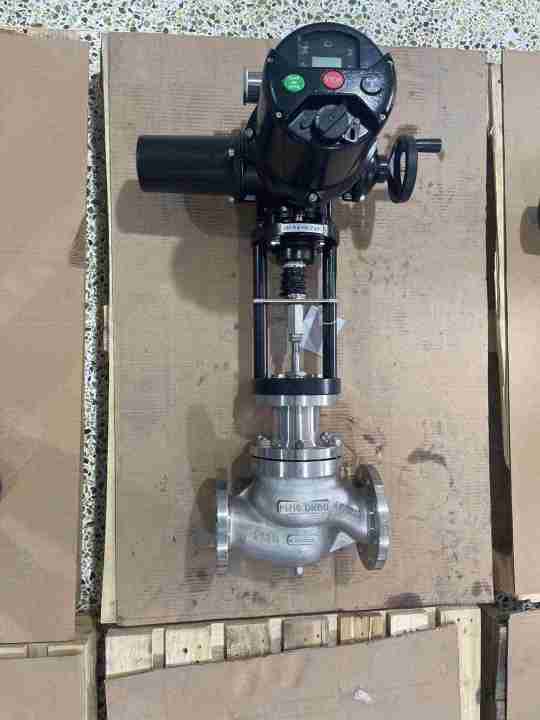
1. What is a WCB Electric Two-Seat Regulating Valve? A WCB Electric Two-Seat Regulating Valve is a valve system that combines two key elements: a double-seat valve body and an electric actuator. The “WCB” designation refers to the material used for the valve body—carbon steel, which is commonly selected for its strength, durability, and resistance to corrosion in medium-pressure and temperature conditions. The two-seat design features two opposing seats that work in tandem to seal the valve shut and ensure precise control of fluid flow. The electric actuator, which powers the valve, is driven by an electric motor, converting electrical energy into mechanical motion to adjust the valve’s opening and closing. This configuration allows for highly accurate and reliable regulation of fluid flow, which is essential in various industrial processes that require fine-tuned control.