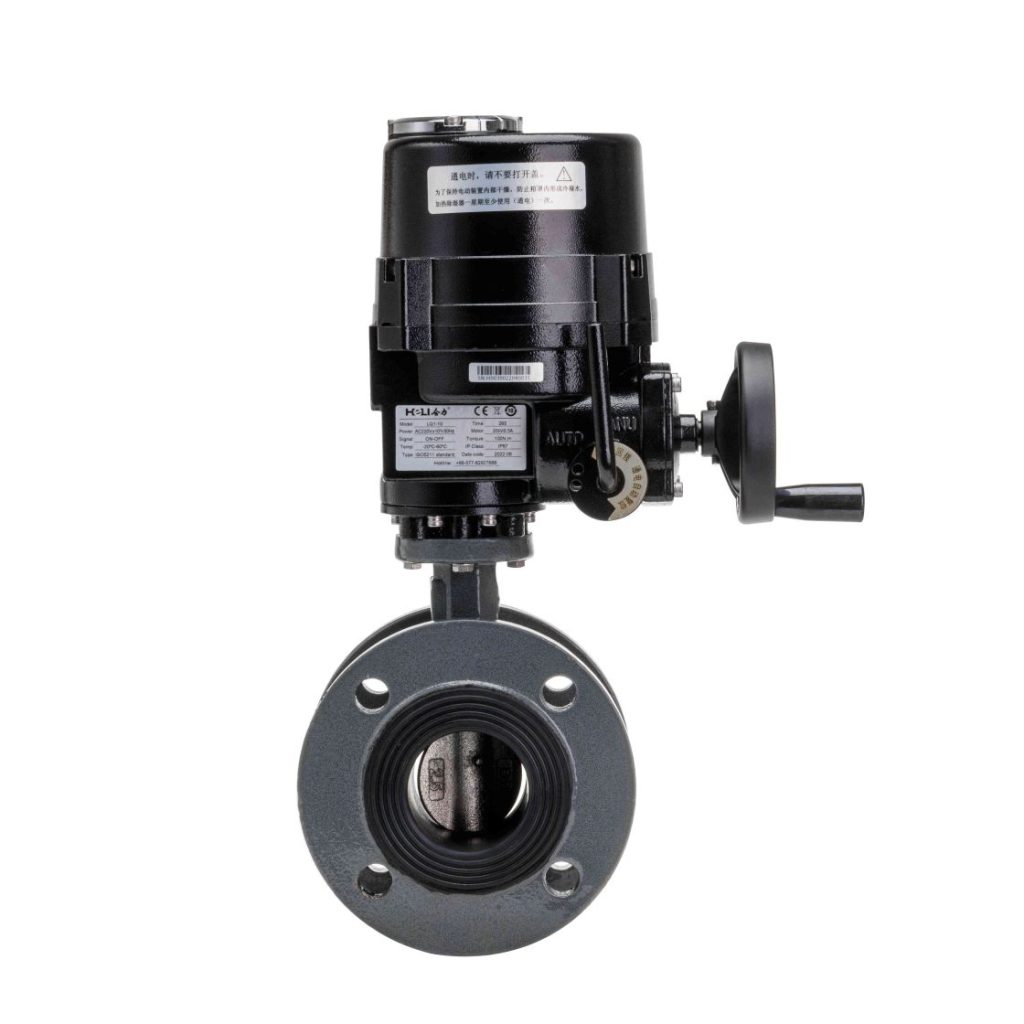
The WCB Electric Flange Ball Valve is a sophisticated device widely utilized in various industries for fluid control. This valve, constructed from Wrought Carbon Steel (WCB), combines durability, reliability, and the capability for automated operations, making it a preferred choice in sectors such as oil and gas, chemical processing, water treatment, and HVAC systems. This article aims to provide a comprehensive overview of the WCB Electric Flange Ball Valve, exploring its design, functionality, advantages, applications, and maintenance considerations.
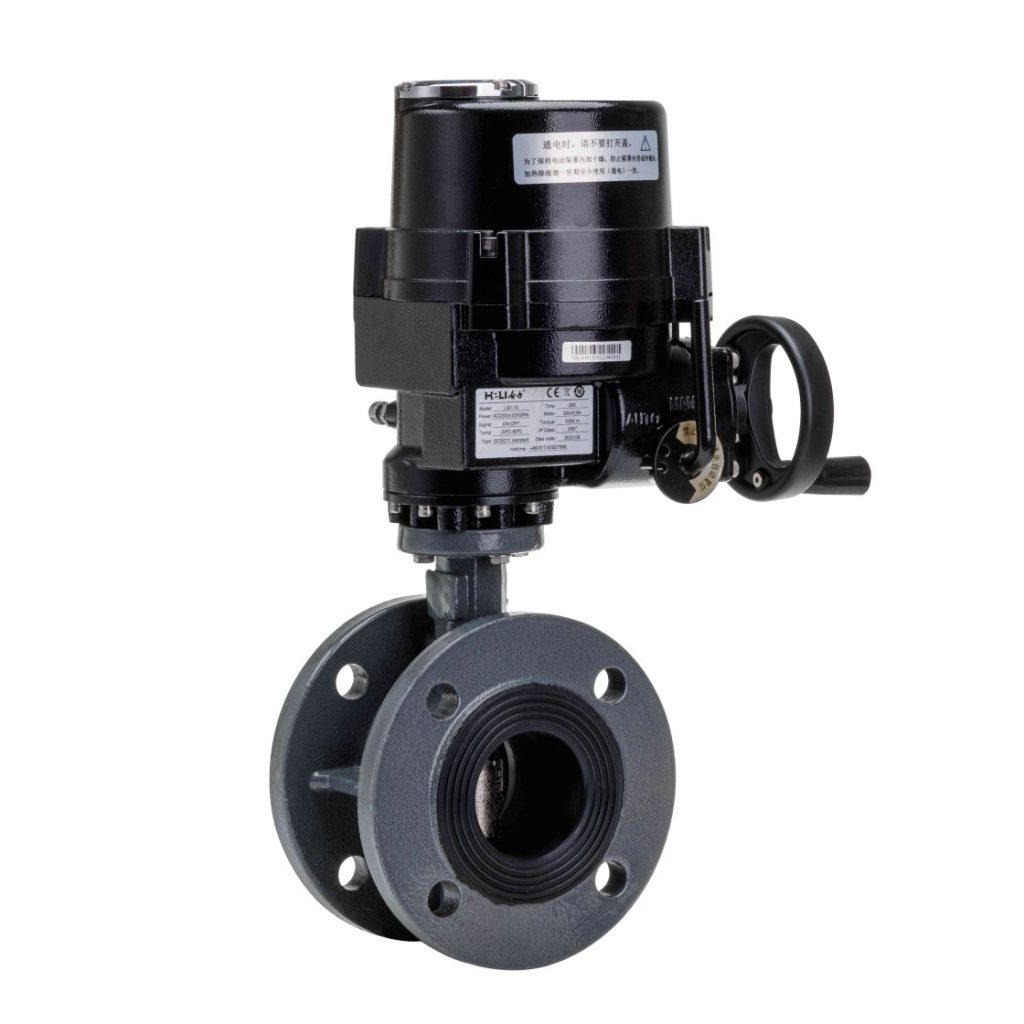
Design and Construction
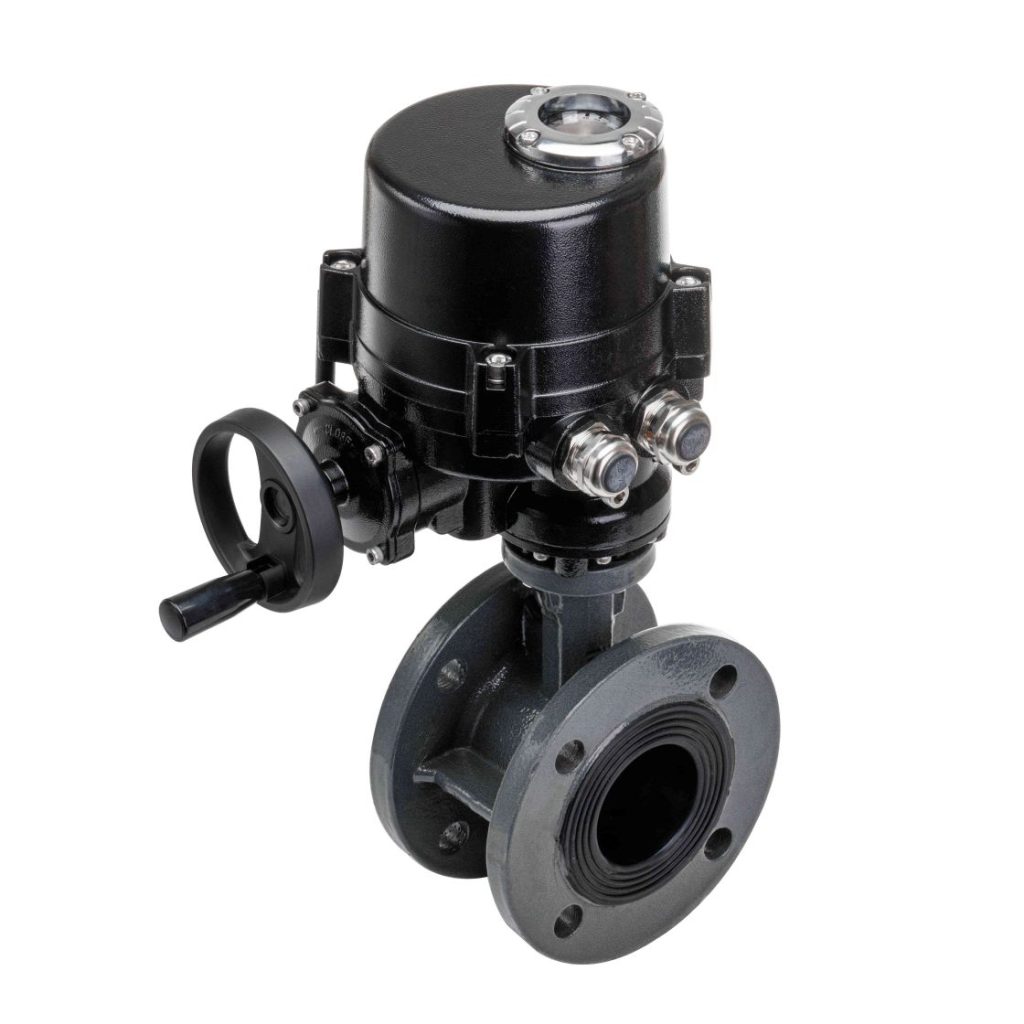
The WCB Electric Flange Ball Valve is designed with several critical components that contribute to its effective performance. The valve body made from WCB material is notable for its superior mechanical properties, making it suitable for high-pressure and high-temperature environments. The ball, which is the main component controlling the flow of fluid, is typically crafted from high-grade metals, such as stainless steel or alloy steel, ensuring it withstands wear and corrosion. A key feature of this valve type is the electric actuator. This actuator is responsible for controlling the valve’s position, allowing for precise flow control through the rotation of the ball within the valve body. When the actuator receives a signal from a control system, it rotates the ball to either open or close the flow path, providing a quick response time, which is essential in various operational settings.