The stainless steel electric single seat regulating valve is an essential component in various industrial processes, designed primarily to control the flow of liquids, gases, and steam within a piping system. This article delves into the features, working principles, applications, and advantages of this type of valve, highlighting its significance in modern automation and process control.
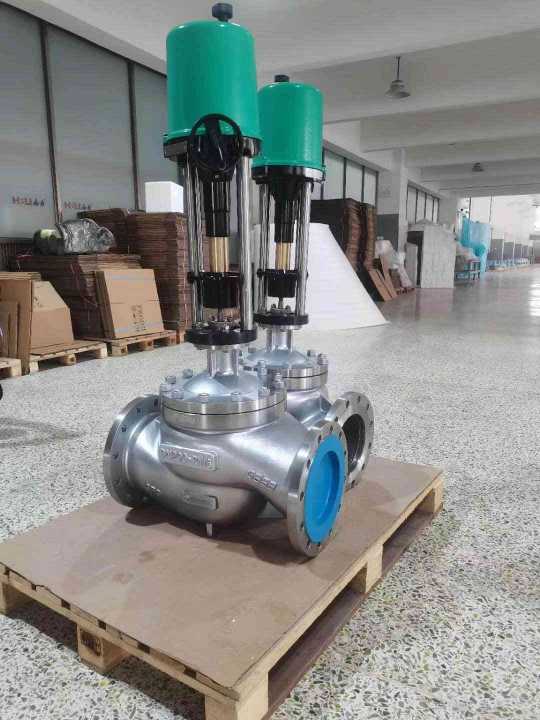
Structure and Design The stainless steel electric single seat regulating valve is characterized by its streamlined design, featuring a single-seat configuration. This means that it has one valve seat where the valve plug can either open or close the flow path. This design is particularly effective in providing reliable performance, high flow rates, and excellent pressure control capabilities. Made from stainless steel, these valves offer superior resistance to corrosion and thermal degradation, making them suitable for various harsh environments. The choice of stainless steel as the material of construction is especially important in sectors like pharmaceuticals, food processing, and chemical processing, where cleanliness and resistance to corrosion are paramount.