The Stainless Steel Electric Single Seat Regulating Valve is an essential component in various industrial applications, designed primarily to regulate the flow of fluids in a controlled manner. As industries move toward more automated processes, these valves have become a vital part of fluid control systems, thanks to their precision, reliability, and adaptability. This article will explore the design, functionality, applications, and benefits of Stainless Steel Electric Single Seat Regulating Valves.
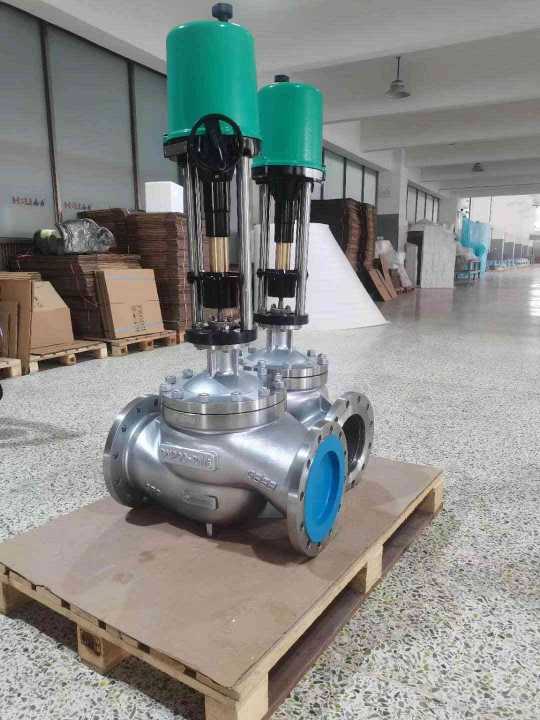
Design and Structure The Stainless Steel Electric Single Seat Regulating Valve features a straightforward yet effective design. The valve body is typically made from high-quality stainless steel, such as 304 or 316 grades, which provide exceptional corrosion resistance and durability. This makes them suitable for a wide range of fluids, including corrosive substances like acids and alkaline solutions. The core design incorporates a single seat, meaning that there is one valve body and one seat to control the flow. This single-seat design is advantageous for smaller flow rates and provides a more efficient path for fluid movement compared to multi-seat designs. The valve also includes an electric actuator that transforms electrical signals into mechanical motion, allowing for precise control over the valve position.