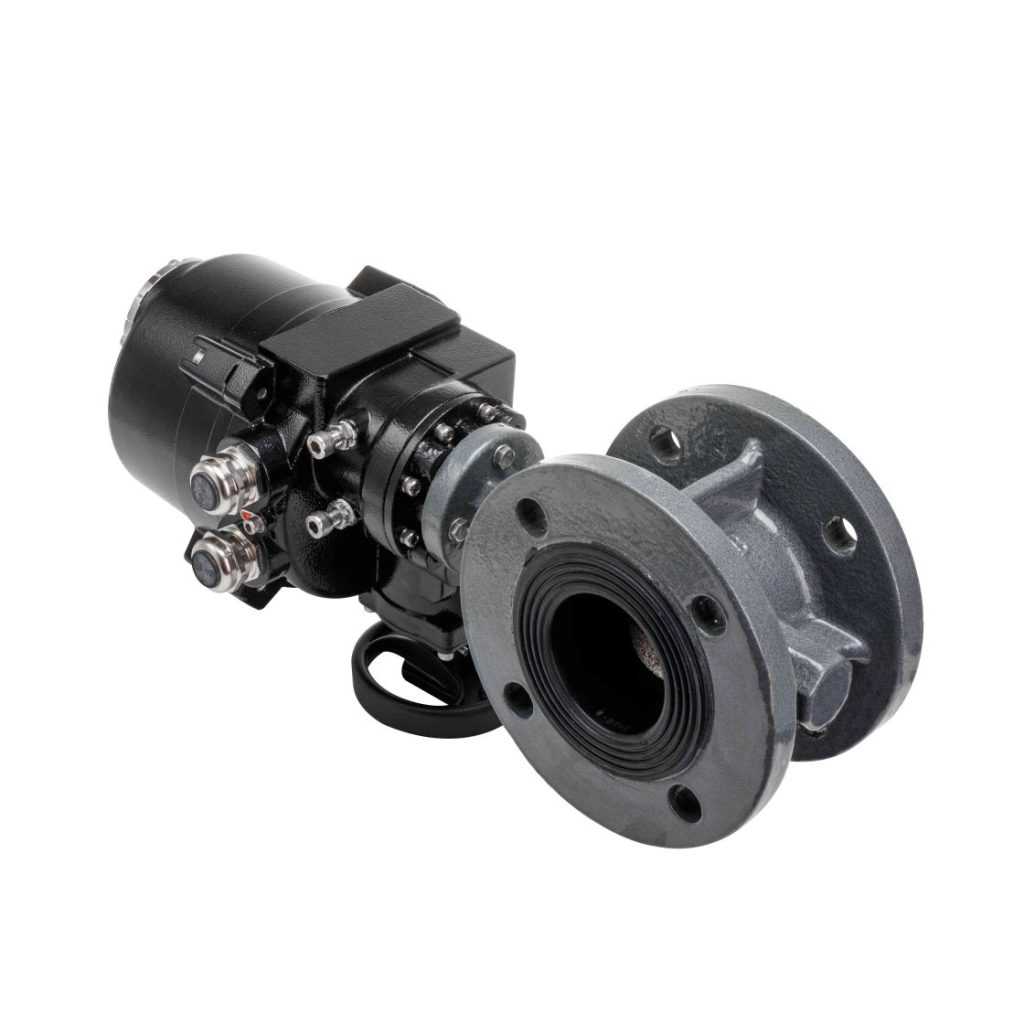
The stainless steel electric rotary ball valve is an essential component in modern fluid control systems. As industries evolve and expand, the demand for efficient and reliable equipment becomes paramount. This article explores the features, benefits, applications, and future trends of stainless steel electric rotary ball valves, revealing why they are pivotal in various industrial sectors.
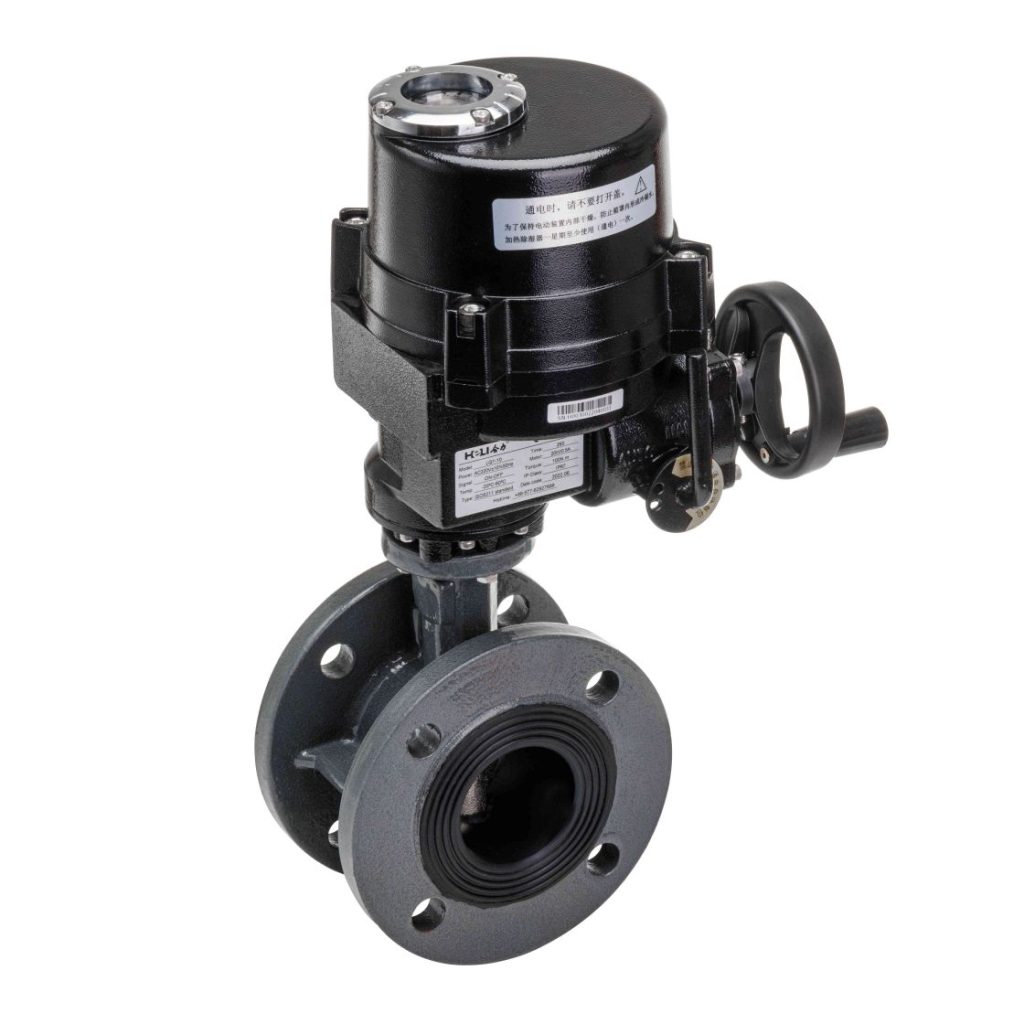
Structure and Design
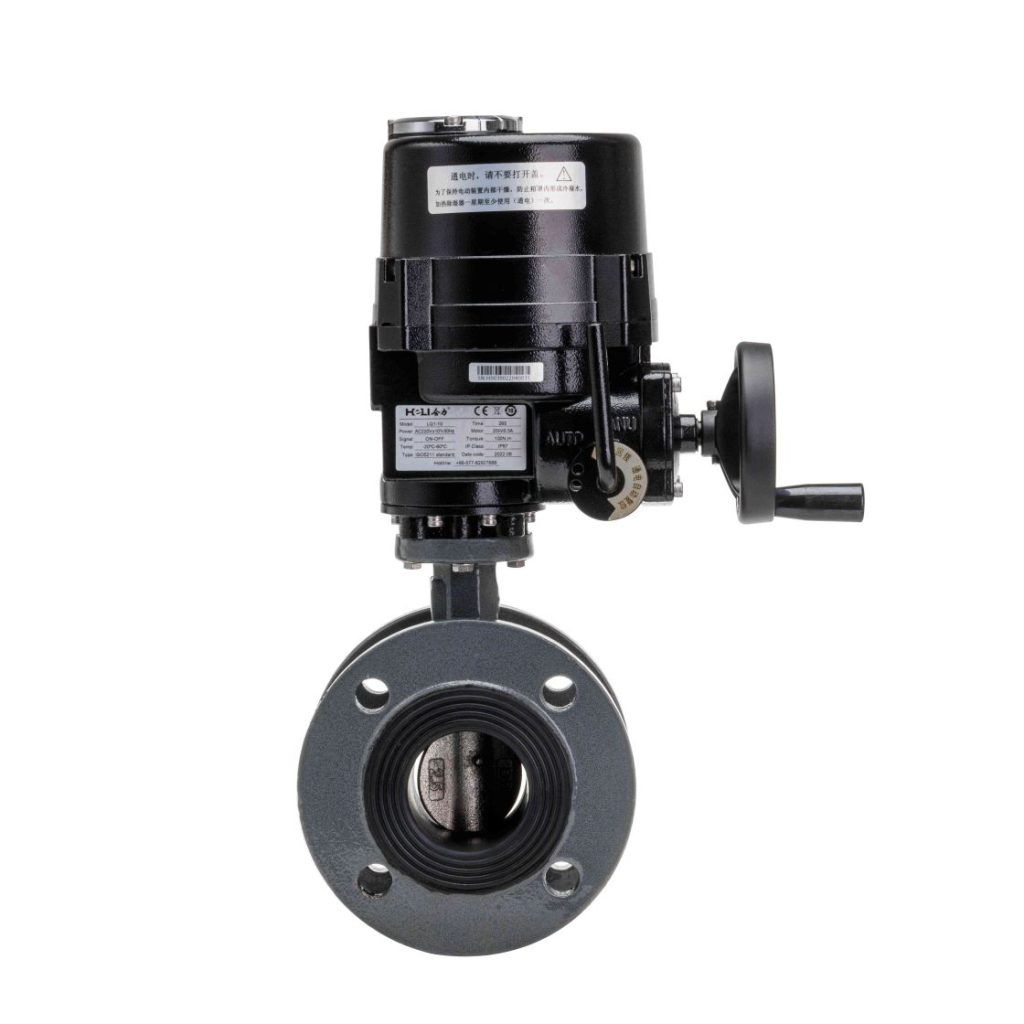
At the core of a stainless steel electric rotary ball valve is its unique design, which incorporates a spherical ball with a hole through its center. This simple yet effective design allows for a quick and straightforward open and close mechanism with a rotational movement of just 90 degrees. The valve body is commonly made from stainless steel alloys, such as 304 and 316, known for their corrosion resistance, durability, and strength. The choice of stainless steel ensures that the valve can withstand harsh environmental conditions, making it suitable for a wide array of applications. The sealing elements are typically made from materials such as PTFE (Polytetrafluoroethylene), which enhance the valve’s sealing capacity while offering resistance to wear and tear. This sealing capability is crucial for maintaining the integrity of the system by preventing leakage and ensuring that the fluid flow is controlled accurately.