In the ever-evolving landscape of industrial safety, the significance of robust lockout/tagout (LOTO) procedures cannot be overstated. Central to these safety protocols is the high-quality lockout bag factory, which plays a pivotal role in producing crucial tools that help ensure worker safety during maintenance and repair tasks. This article explores the importance, features, and selection criteria for high-quality lockout bag factories, as well as their broader impact on workplace safety.
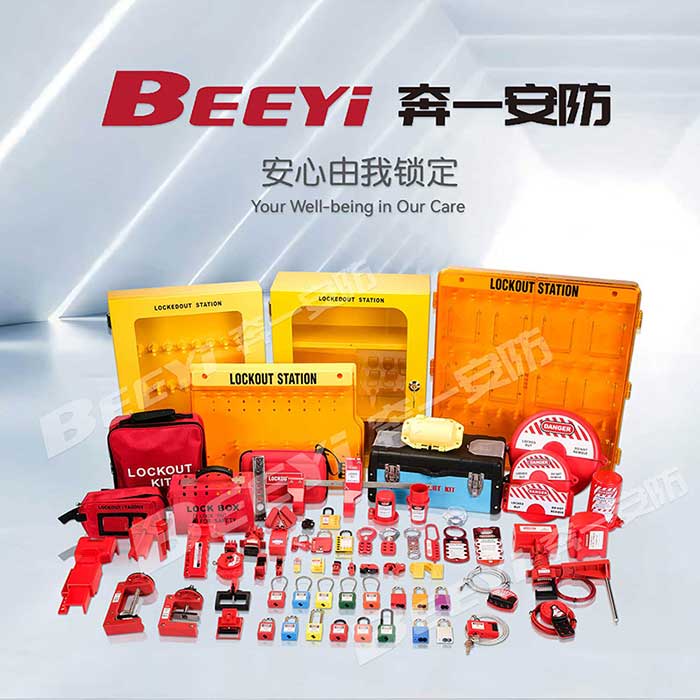
The Importance of Lockout Bags Lockout bags serve a vital function in safeguarding workers from hazardous energy releases while they work on machinery. These bags are used to store padlocks, tags, and other devices that prevent accidental machine start-up. According to OSHA regulations, employers are required to implement effective lockout/tagout procedures to protect their employees during maintenance activities. High-quality lockout bags simplify this process, providing a secure and organized way to manage lockout equipment. Essential Features of High-Quality Lockout Bags Durable Materials: High-quality lockout bags are made from strong, tear-resistant materials such as nylon or PVC. These materials ensure that the bags can withstand the harsh conditions often found in industrial environments, thereby extending their lifespan.