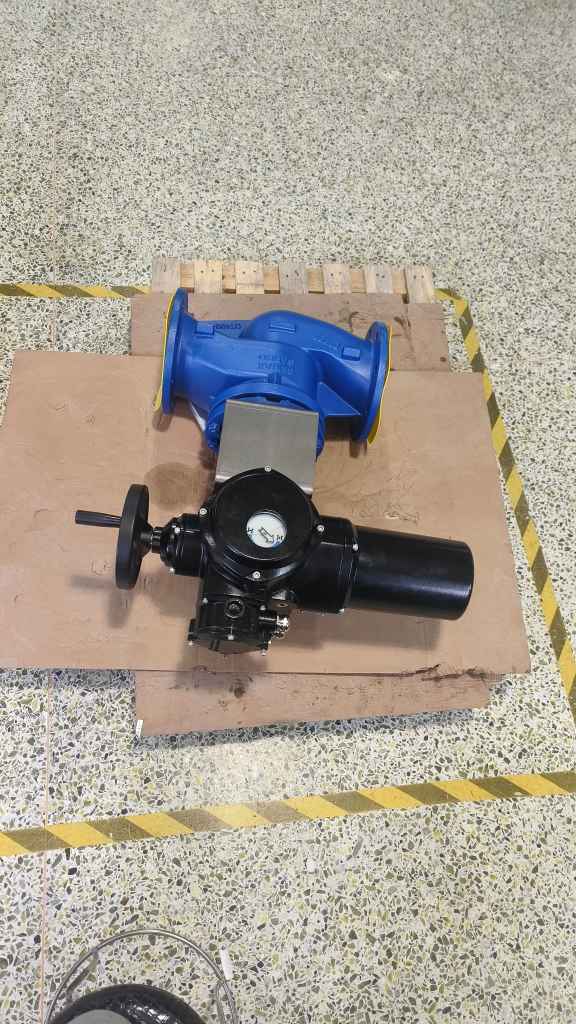
In recent years, lithium-ion batteries have revolutionized various industries, powering everything from portable electronics to electric vehicles (EVs) and large-scale energy storage systems. However, the potential hazards associated with these high-energy systems, such as overheating, overcharging, and short-circuiting, have raised concerns regarding their safety. One critical component that has emerged as essential for enhancing safety in lithium battery systems is the Lithium Battery Electric Shut-off Valve. This technology plays a pivotal role in controlling the flow of fluids and gases within the system, acting as a safeguard to prevent catastrophic failures.
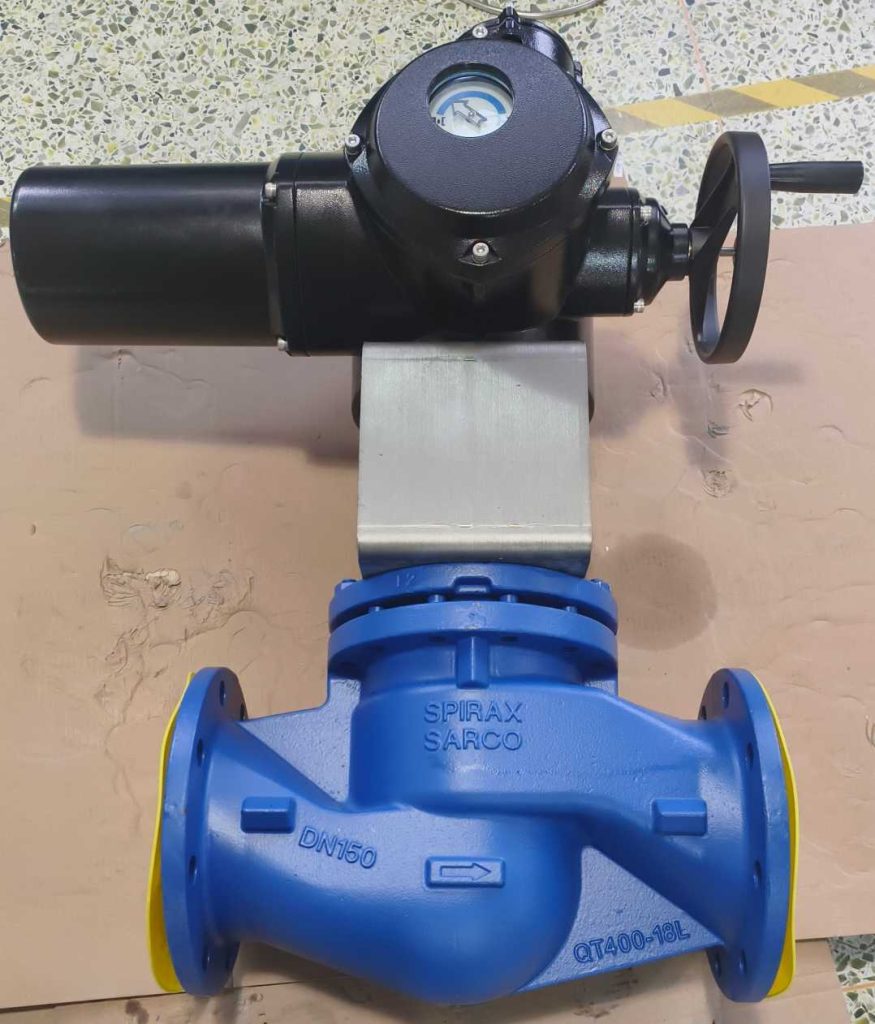
What is a Lithium Battery Electric Shut-off Valve?
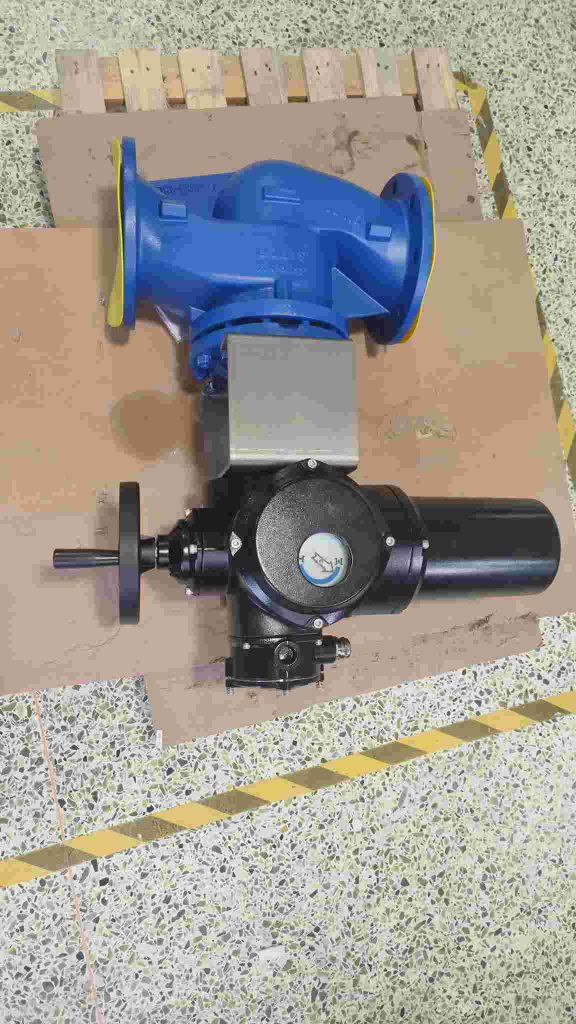
A Lithium Battery Electric Shut-off Valve is a specialized valve that is typically used in systems that include lithium-ion batteries. Its primary function is to control the flow of liquids or gases in battery-related systems, such as cooling systems or fire suppression systems. The valve is electronically controlled, often by a Battery Management System (BMS), and responds to various parameters such as temperature, pressure, and charge levels. When the system detects dangerous conditions—such as overheating, overcharging, or a system fault—the valve can be triggered to shut off or release pressure, preventing further damage or even explosions.