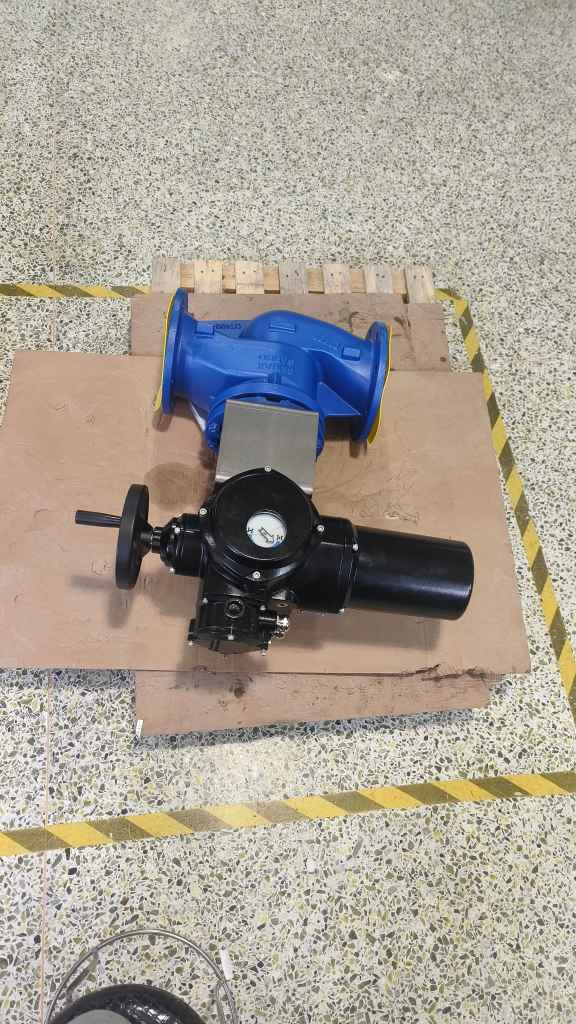
Lithium-ion batteries have become the backbone of many modern technologies, from electric vehicles (EVs) to renewable energy storage systems. As their popularity has soared, so has the need for advanced safety mechanisms to ensure their safe operation. One critical safety feature that is gaining significant attention in the industry is the Lithium Battery Electric Shut-off Valve. This innovative technology plays a pivotal role in safeguarding both the batteries and the systems they power by offering an automated solution to prevent overheating, overcharging, and potential thermal runaway situations. In this article, we will explore the function, applications, and importance of this crucial safety component.
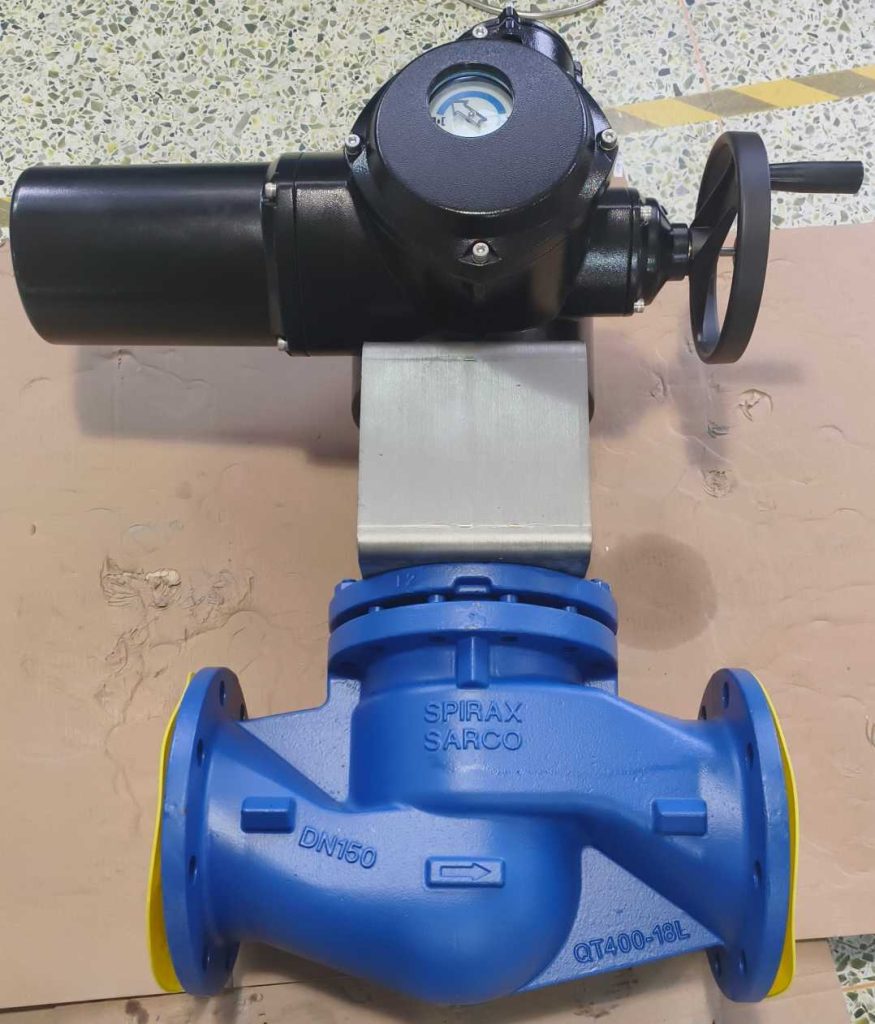
What is a Lithium Battery Electric Shut-off Valve?
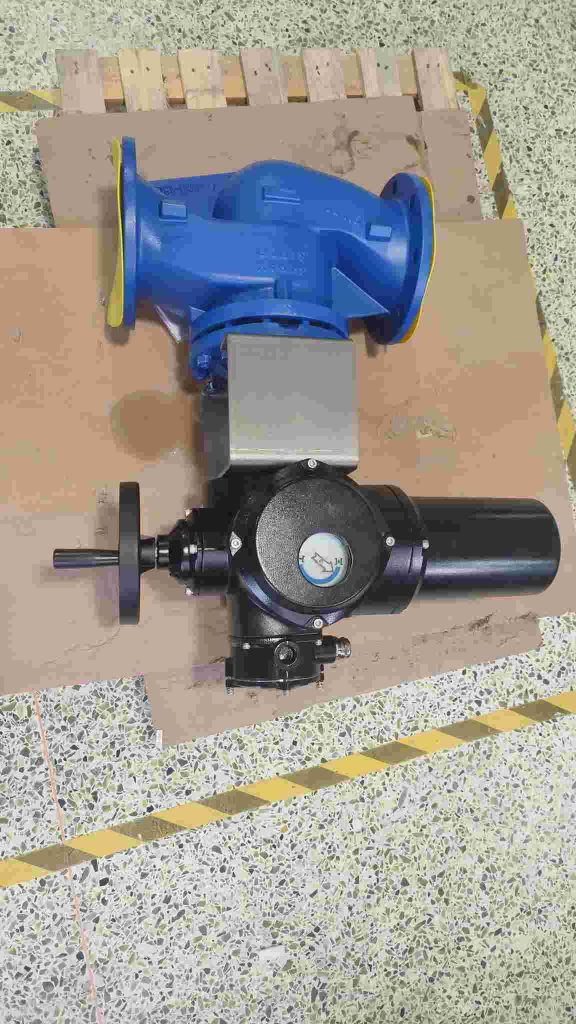
A Lithium Battery Electric Shut-off Valve is an electromechanical device used to control the flow of electrical current within a lithium-ion battery system. Its primary function is to act as a safeguard against hazardous conditions by automatically disconnecting the battery from the power system when abnormal operating conditions are detected. The valve works by opening or closing an electrical circuit, which either allows or stops the flow of power from the battery, based on signals received from sensors or the battery management system (BMS). The valve’s design is typically integrated with the battery pack, and it responds to various parameters such as temperature, voltage, current, and pressure. When these parameters go beyond preset safety thresholds, the valve activates to prevent the battery from further discharge or charging, effectively reducing the risk of overvoltage, short-circuiting, or thermal runaway — which could otherwise lead to battery failure, fires, or explosions.