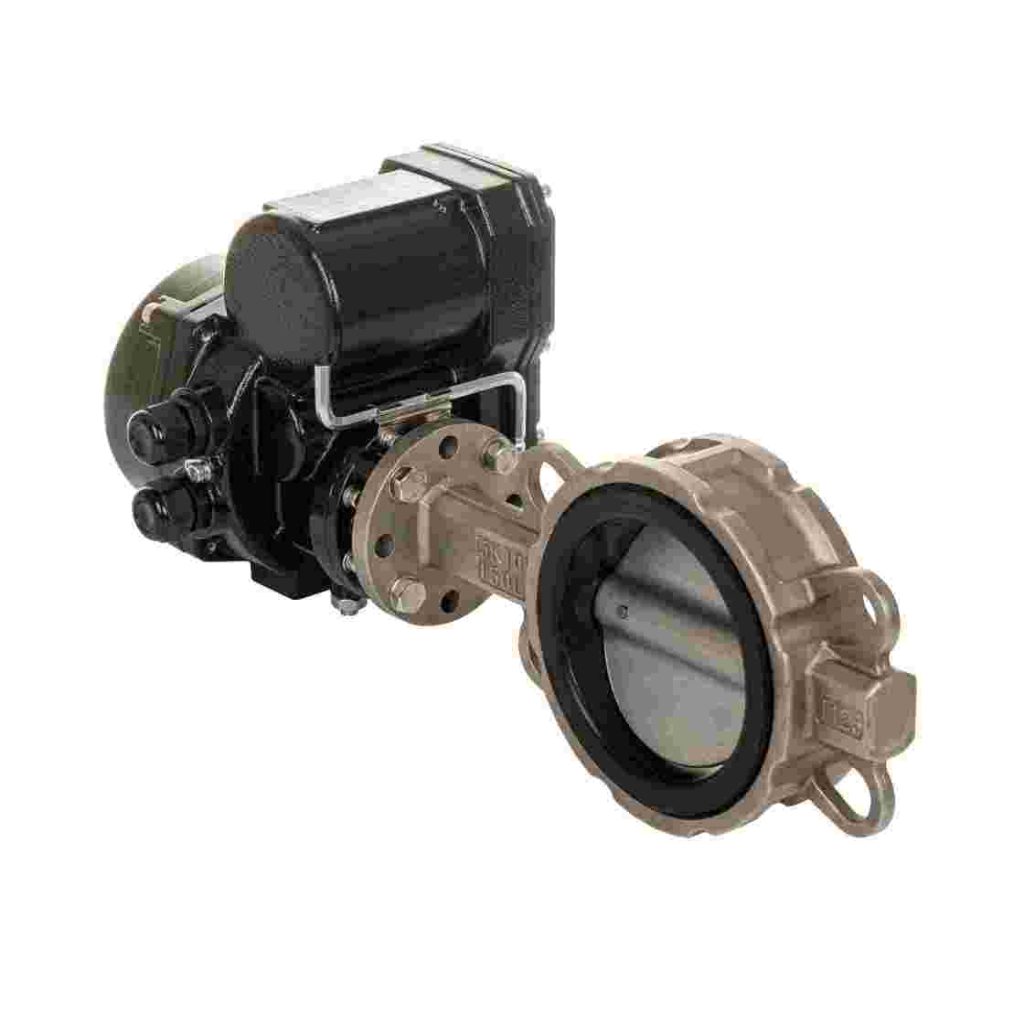
In recent years, hydrogen energy has garnered significant attention as a key player in the transition to clean, renewable energy sources. As the world looks to reduce its reliance on fossil fuels, hydrogen presents a promising solution due to its high energy content, zero emissions, and versatility. One of the crucial components in hydrogen energy systems is the Hydrogen Energy Electric Clamp Butterfly Valve. This valve plays a vital role in regulating the flow of hydrogen gas, ensuring safety, efficiency, and reliability in systems that use hydrogen for energy storage, transport, and consumption. In this article, we will explore the features, benefits, and applications of the hydrogen energy electric clamp butterfly valve.
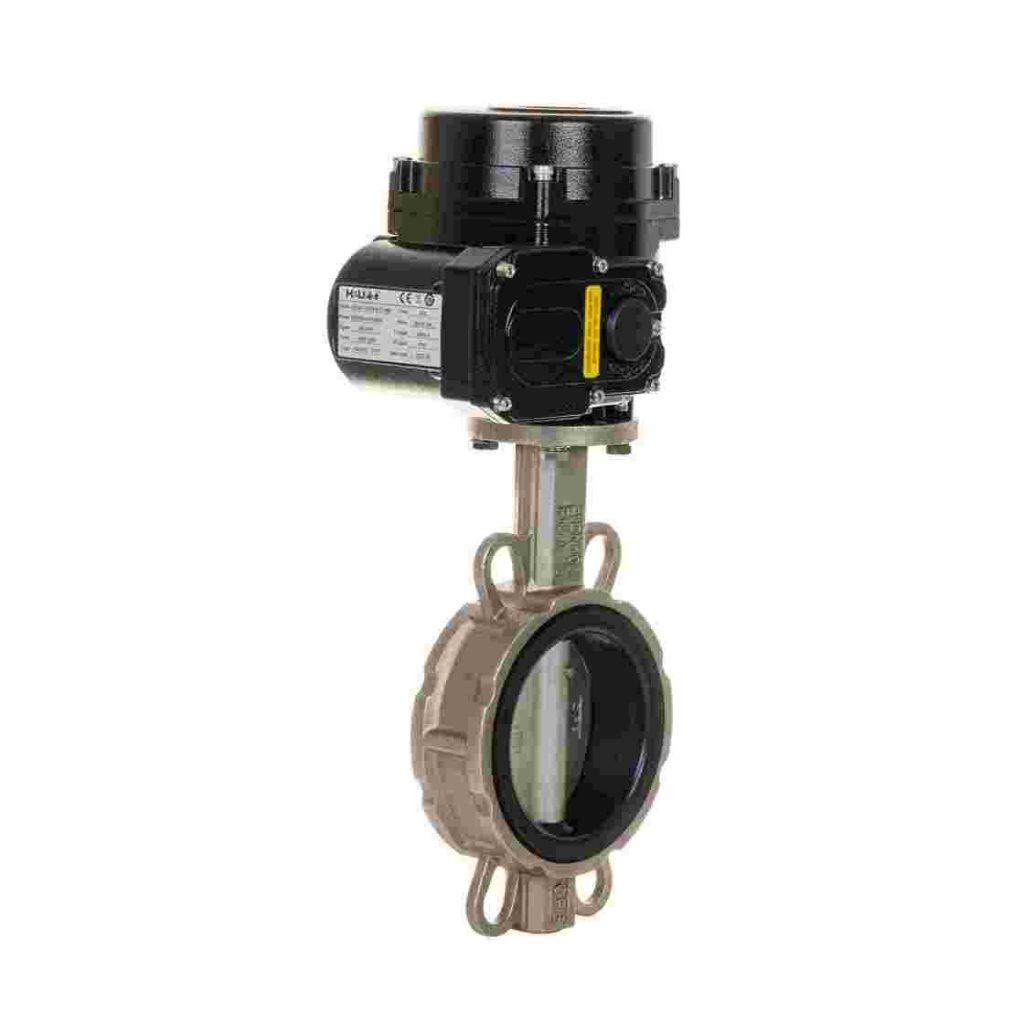
What is a Hydrogen Energy Electric Clamp Butterfly Valve?
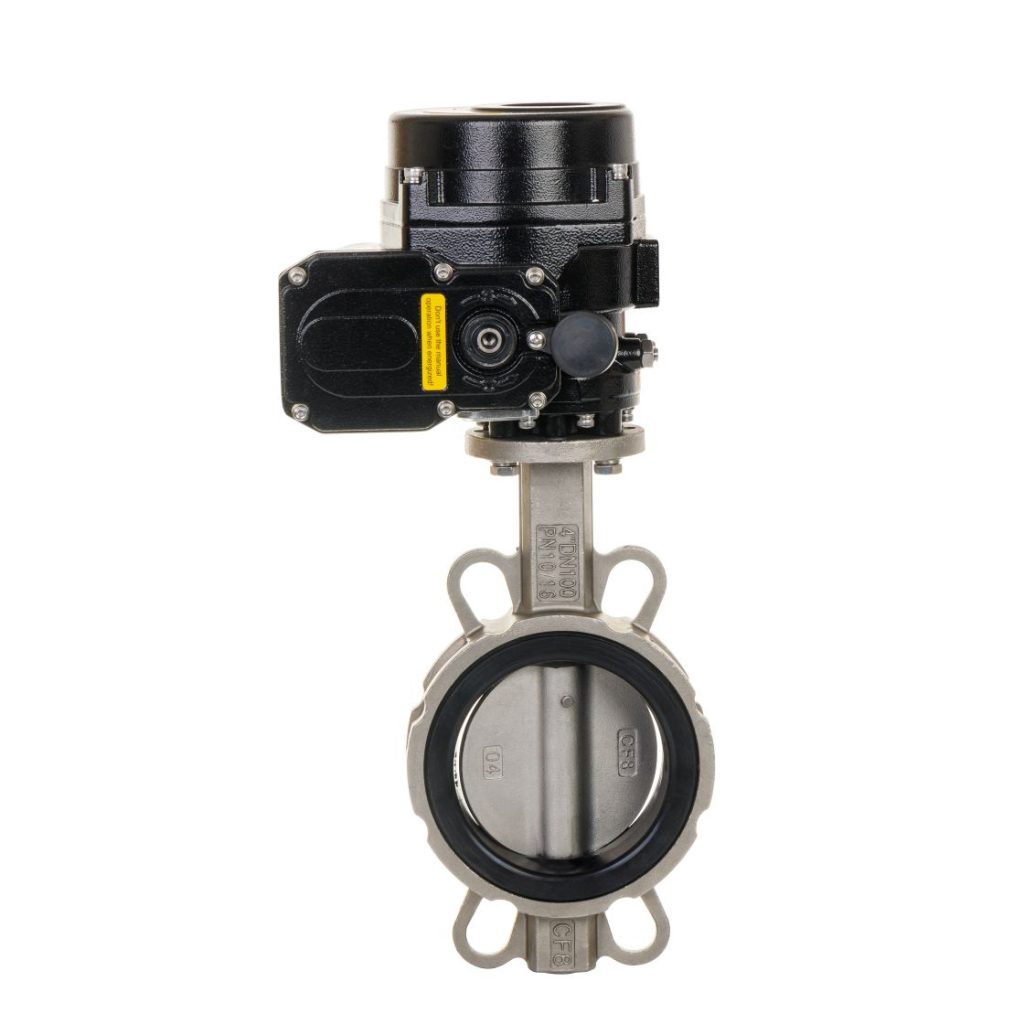
At its core, a hydrogen energy electric clamp butterfly valve is a type of valve that controls the flow of hydrogen gas in a system. It consists of a butterfly valve mechanism, an electric actuator, and a clamp connection that makes installation easier. The valve’s primary function is to regulate the flow of gas, ensuring it can be precisely controlled in various stages of a hydrogen system, from storage to transportation and usage. The butterfly valve mechanism consists of a disc that rotates within the valve body. When the valve is closed, the disc blocks the flow of gas, and when it is opened, it allows hydrogen gas to pass through. The electric actuator, which is powered by electricity, controls the movement of the valve. This actuator can be operated remotely or automatically, allowing for easy integration into automated systems.