Food Grade Solenoid Valves play an essential role in ensuring the safe and efficient operation of fluid handling systems within the food and beverage industry. These specialized valves are designed to meet stringent safety and hygiene standards while providing precise control over the flow of liquids, gases, and other substances. In this article, we will explore the importance of food grade solenoid valves, their key features, and their various applications in food processing.
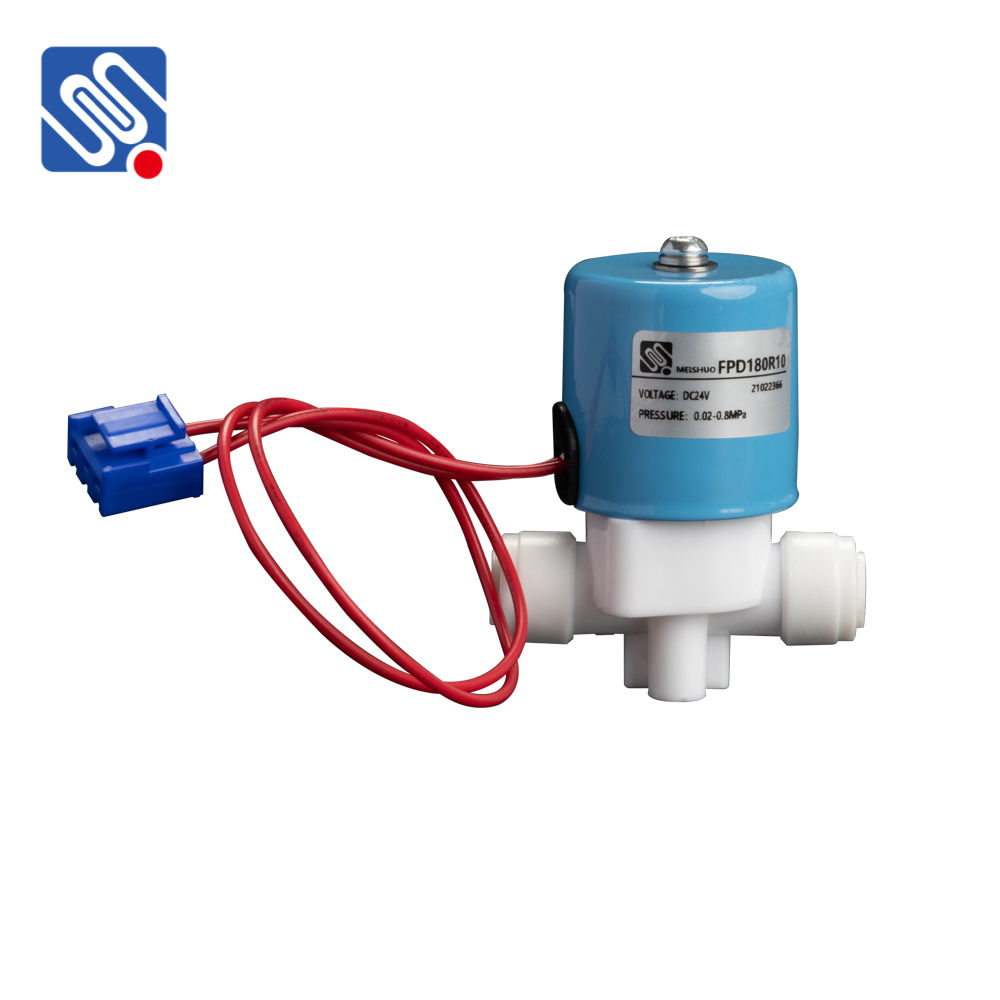
What is a Food Grade Solenoid Valve? A solenoid valve is an electromechanically operated valve that uses an electric current to create a magnetic field, which then opens or closes the valve. Food grade solenoid valves, in particular, are made from materials that are compliant with food safety regulations and standards. They are built to resist corrosion and contamination, ensuring that they do not release harmful substances that could jeopardize food safety. Typically made from stainless steel such as 304 or 316, these valves are ideal for handling various fluids like liquids, gases, or steam in environments where hygiene is paramount.