The electric vehicle (EV) market has been surging forward in recent years, driven by advances in technology, increasing environmental awareness, and government incentives. At the heart of every electric vehicle lies a complex system that controls the flow of electricity, and one crucial component within this system is the EV Main Contactor Relay. This article aims to delve into the function, construction, and significance of this component, shedding light on its pivotal role in ensuring optimal performance and safety in electric vehicles.
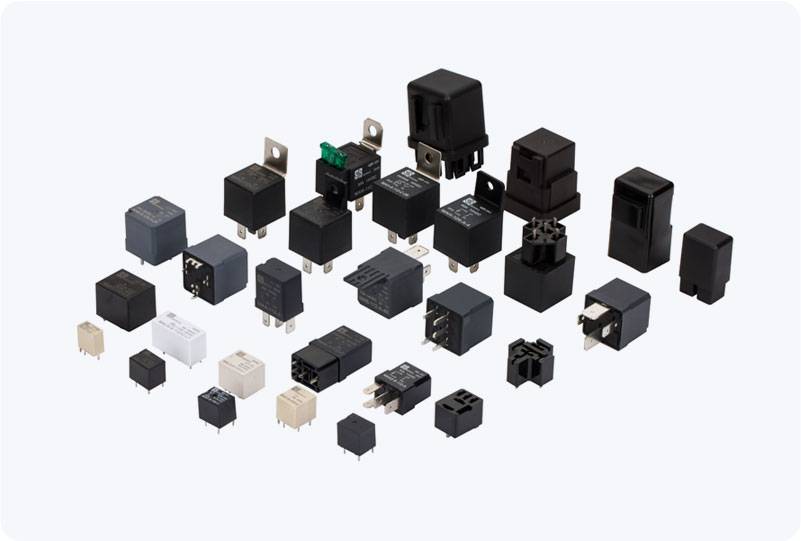
What is an EV Main Contactor Relay? The EV Main Contactor Relay is an electrically operated switching device that primarily manages the connection between the EV’s battery and its electric motor. Functionally, it operates like a traffic signal, controlling the flow of electrical current through various circuits. Its ability to rapidly connect and disconnect electrical paths is vital for the effective operation of the vehicle’s powertrain and other systems. Key Functions The main functions of the EV Main Contactor Relay can be summarized as follows: Circuit Control: The relay serves as a switch that can effectively open (disconnect) or close (connect) the circuit between the battery and the motor. This flexibility is essential for various operational modes of an electric vehicle, such as starting, accelerating, and regenerative braking.