A bistable relay, also known as a latching relay or a memory relay, is an electronic switch that can maintain its state (either “on” or “off”) without requiring continuous power. This type of relay can be switched between two stable states by applying electrical pulses, making it significantly different from conventional relays that require constant current to maintain their state. The bistable relay has found its place in various applications due to its efficiency, simplicity, and low energy consumption. In this article, we will explore the principles, advantages, and applications of bistable relays.
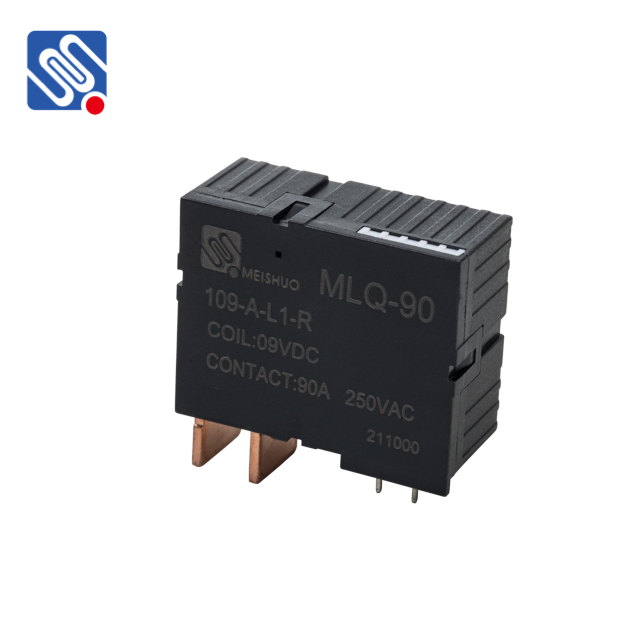
How a Bistable Relay Works At the heart of the bistable relay’s functionality is its ability to remain in either of its two stable states indefinitely until a specific pulse is received. These relays contain two coils (or electromagnets) and a mechanical contact. The first coil is used to switch the relay into one state (e.g., “on”), while the second coil switches it into the other state (e.g., “off”). When a pulse is applied to the relay, it switches from one state to the other. Importantly, the bistable relay does not require continuous power to stay in the new state; once the relay is switched, it remains in that state until another pulse is applied. This is in contrast to traditional relays, which require a constant flow of current to maintain their state.