In industrial environments, ensuring the safety of employees during maintenance and repair operations is paramount. One critical safety procedure that has gained wide recognition is the Safety Lockout Tagout (LOTO) program. This comprehensive approach aims to prevent accidental equipment energization and protect workers from potential hazards. In this article, we will explore the key components of the Safety Lockout Tagout procedure, its importance, the legal requirements surrounding it, and the benefits it brings to workplaces.
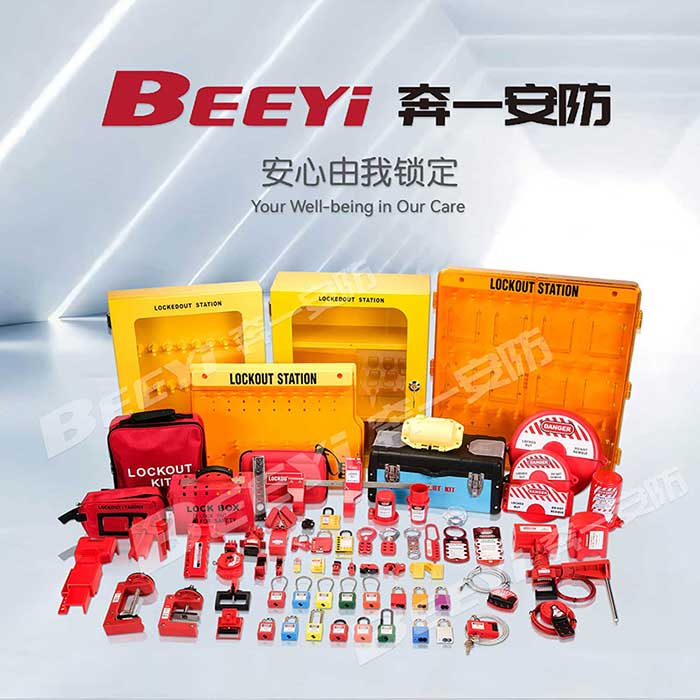
What is Safety Lockout Tagout? Safety Lockout Tagout refers to the practices and procedures used to ensure that machinery and equipment are properly shut off and not able to be started up again before maintenance or repair work is completed. The key to LOTO is the use of physical locks and accompanying tags to isolate energy sources, thereby preventing accidental machine operation. These processes are essential in controlling hazardous energy during maintenance activities, thus safeguarding the health and safety of individuals involved. Importance of Safety Lockout Tagout The importance of the Safety Lockout Tagout procedure cannot be overstated. Each year, numerous workplace injuries and fatalities occur due to improper maintenance procedures. Lockout Tagout addresses this issue head-on by establishing a clear, systematic approach to energy control. By ensuring that only designated employees can access the energy disconnects, LOTO significantly reduces the risk of accidental energization.