Relays are widely used in electronic circuits to control the flow of current in a system. These devices work by opening and closing electrical contacts in response to a signal, and their lifespan is a critical factor in ensuring reliable system operation. Whether used in industrial automation, automotive systems, or home appliances, understanding the factors that influence the lifespan of a relay is essential for selecting the right relay for an application and maintaining long-term performance. In this article, we will explore the key factors affecting relay lifespan and how they contribute to the wear and tear of these vital components.
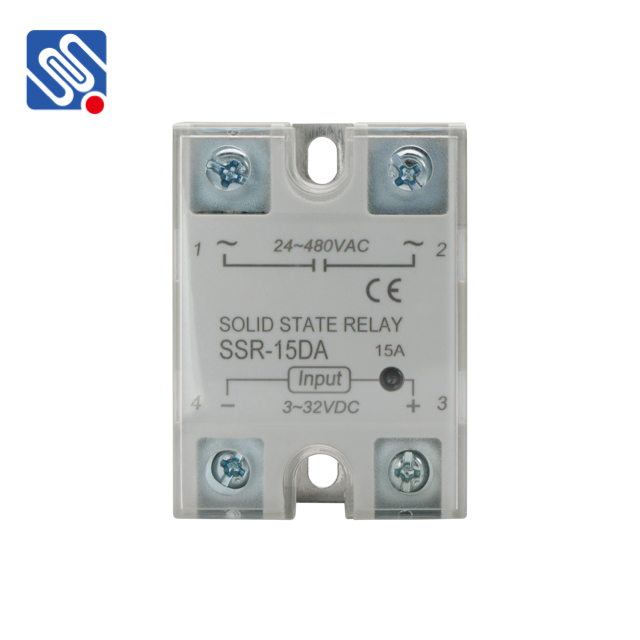
1. Mechanical Wear One of the most significant factors influencing relay lifespan is mechanical wear. Most relays, especially electromagnetic ones, contain moving parts such as the armature and contacts. Each time the relay is activated, the armature moves, causing the contacts to open or close. This mechanical motion results in friction, which gradually wears down the moving parts. The more frequently a relay is activated, the faster the mechanical components will degrade. Over time, this wear leads to the development of contact pitting, misalignment, or complete failure of the moving parts. Mechanical relays typically have a lifespan of several hundred thousand to a few million cycles, depending on the load and usage conditions. This makes it essential to choose a relay with a lifespan rating that meets the demands of the specific application.