Relay isolation is a fundamental concept in the design of electrical and electronic systems, where it plays a crucial role in ensuring safety, reducing noise, and improving reliability. This technique relies on the use of a relay to electrically isolate different sections of a circuit while still allowing signals or power to pass between them. By providing this isolation, relay isolation prevents unwanted interactions between components, making it an essential part of many industrial and consumer applications.
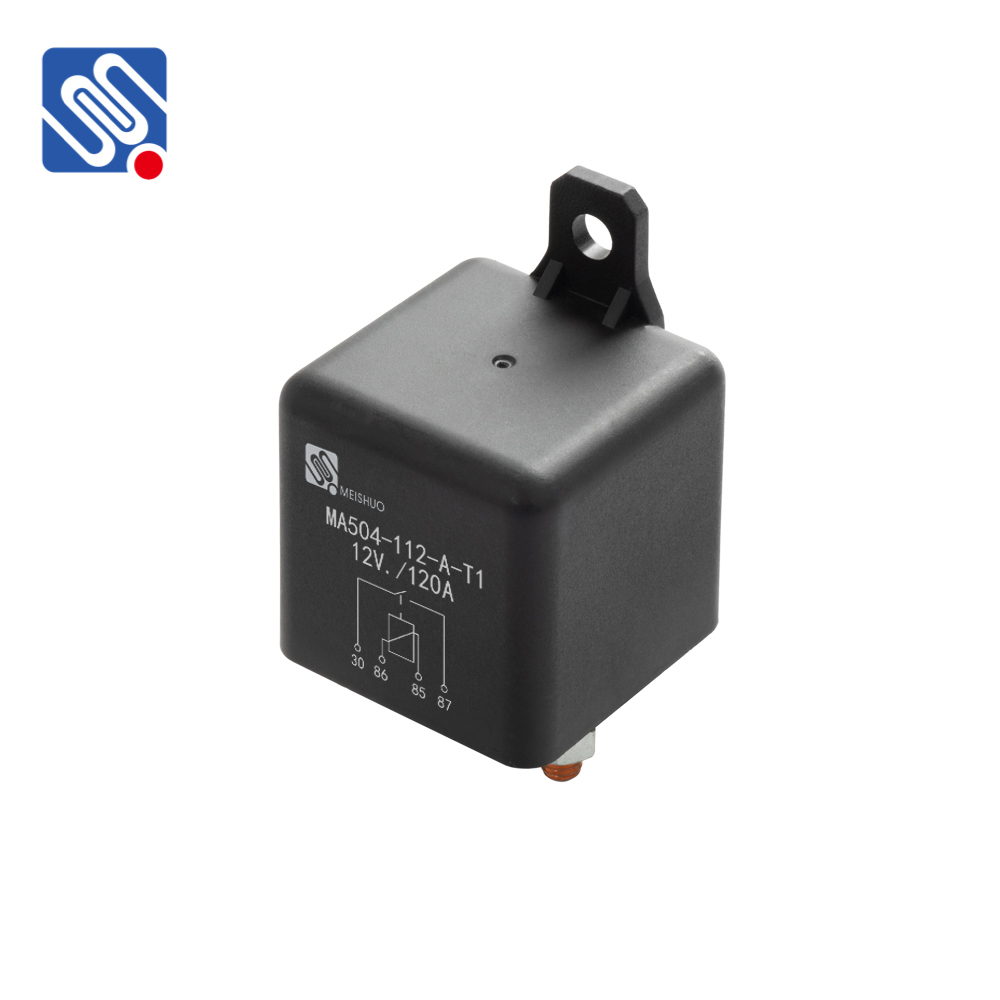
What is Relay Isolation? Relay isolation is a method used to isolate two circuits in a system, particularly in cases where high voltage or high current needs to be controlled by a low voltage or low current signal. This isolation is achieved through the mechanical switching action of a relay. When the relay coil is energized, it closes or opens contacts that control the flow of electricity between the two circuits. The key feature of relay isolation is that the circuits do not have a direct electrical connection; instead, they are linked through the relay’s switching mechanism. The Working Principle of Relay Isolation