Relay connectors play a pivotal role in bridging electrical components and ensuring effective energy management across various systems. Widely used in automotive, industrial, and consumer applications, these connectors are essential for the reliable operation of devices that require remote control of high-power circuits. This article aims to provide an in-depth understanding of relay connectors, their functionality, types, applications, and selection considerations.
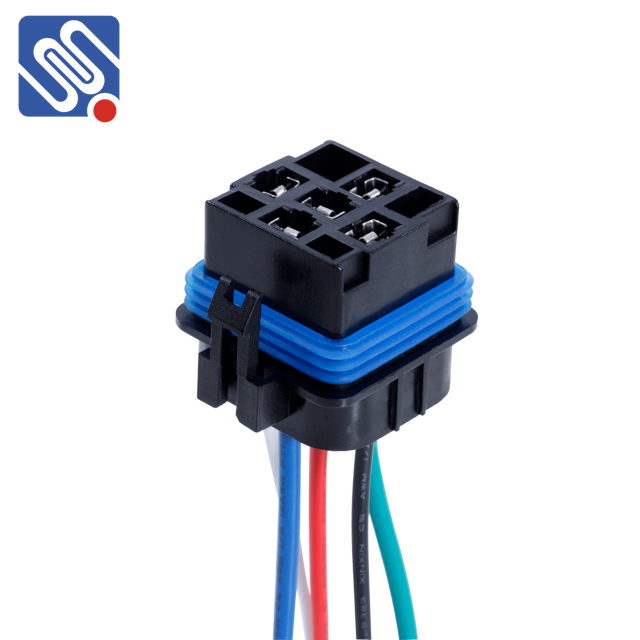
The Functionality of Relay Connectors At the core of relay connectors is the relay itself, a type of electromechanical switch that allows a low-power signal to control a high-power circuit. When a small current energizes the relay coil, it generates a magnetic field that actuates the switch mechanism, thereby opening or closing the circuit. This functionality enables the control of devices and systems that operate on significantly higher voltages and currents than the control circuit can safely handle. One of the standout features of relay connectors is their ability to provide electrical isolation between the control signal and the load. This isolation is crucial for protecting sensitive control components from high-temperatures or transient voltages that may occur in the load circuit. In essence, relay connectors serve as dependable intermediaries, ensuring that a malfunction in one component does not propagate through the entire system.