Relay components are vital elements in the field of electrical engineering, serving as fundamental devices for controlling circuits and automating processes. Whether in industrial systems, home automation, or automotive applications, relays act as electrically operated switches, enabling high-power circuits to be controlled by low-power signals. This article delves into the basics of relay components, their working principles, types, and various practical applications.
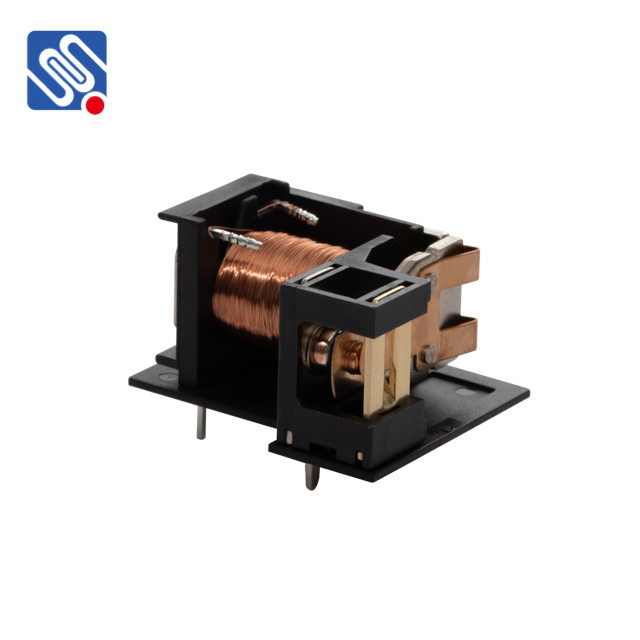
What is a Relay? A relay is an electrically operated switch that allows a low-power electrical signal to control a higher-power circuit. It typically consists of several key components, including an electromagnetic coil, contacts (switching elements), and an armature. When current flows through the coil, it generates a magnetic field that attracts the armature, causing the contacts to either open or close, depending on the type of relay. This functionality of the relay allows it to control large amounts of current with a small control signal, making it an essential component in systems that require the automation of electrical circuits.