Relays are fundamental components in electrical circuits, commonly used to control the switching of electrical signals and power. A relay is essentially an electromechanical switch that allows low-power control circuits to operate high-power devices safely and efficiently. Whether in industrial automation, automotive applications, or home appliances, understanding the key characteristics of relays is crucial for selecting the right relay for a given application. In this article, we will delve into the main relay characteristics, including contact configurations, load capacity, voltage and current ratings, operating times, and other important features.
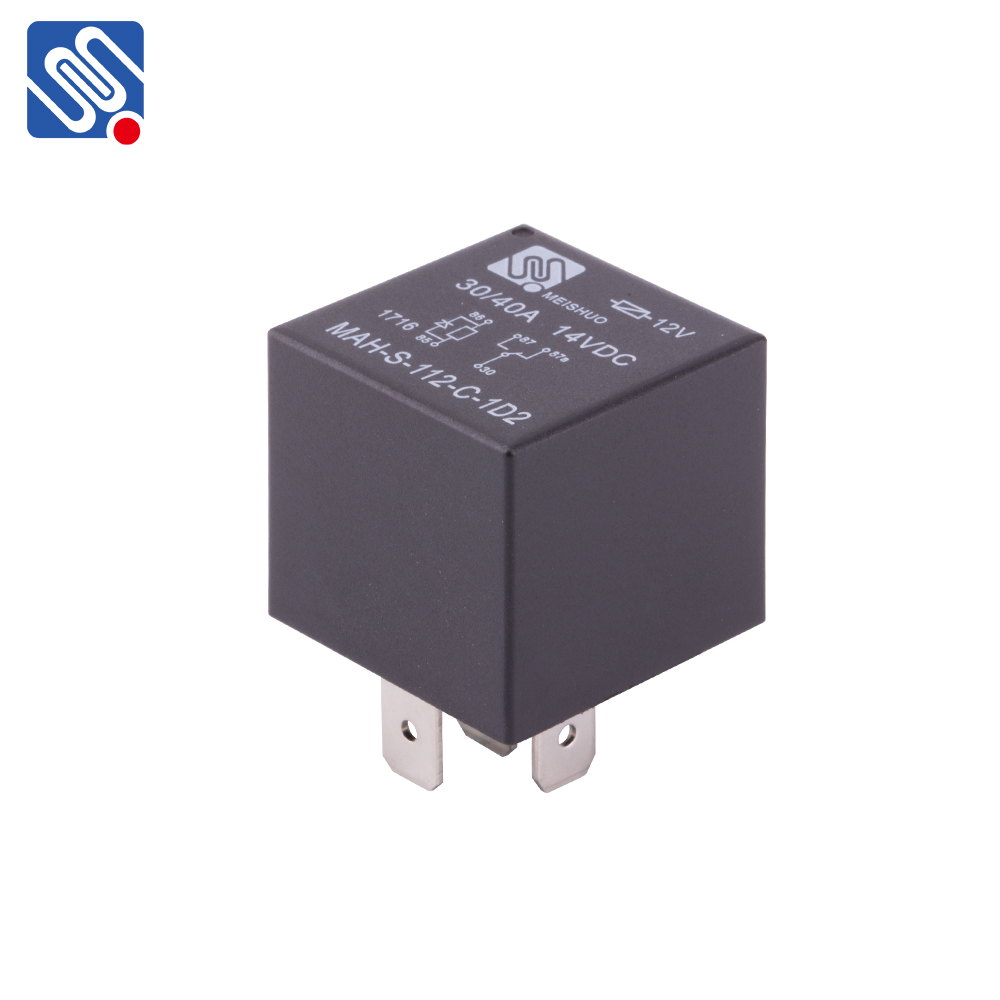
1. Contact Characteristics One of the most important relay characteristics is the type of contacts it has. Contacts determine how the relay interacts with the circuit it controls. The most common types of relay contacts are: Normally Open (NO): In this configuration, the relay’s contacts remain open (disconnected) when the relay is not energized. When the relay is energized, the contacts close, allowing current to flow through the circuit. This is the most widely used contact type in relays. Normally Closed (NC): In contrast to NO contacts, NC contacts remain closed (connected) when the relay is not energized and open (disconnected) when the relay is energized. These contacts are typically used in safety circuits, where the relay needs to interrupt the flow of current when activated.