In our increasingly interconnected world, the effective transmission of signals and data is more crucial than ever. One of the unsung heroes of this technological landscape is the relay assembly. Relay assemblies are integral components in various systems, from telecommunications to automation, serving as essential links in the chain that enables communication and control. This article delves into the fundamentals of relay assembly, exploring its components, working principles, applications, and importance in modern technology.
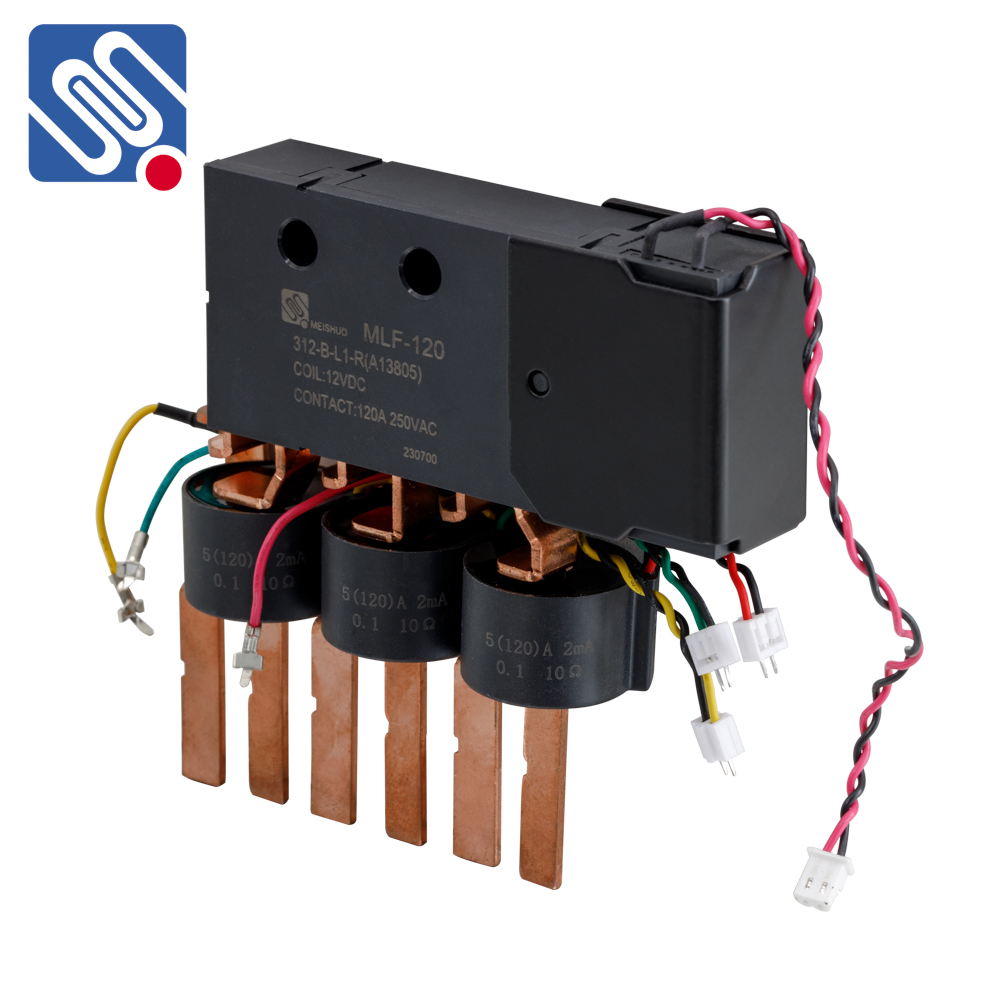
What is Relay Assembly? A relay assembly is a collection of interconnected components that work together to receive, transmit, and often process signals. At the heart of a relay assembly is the relay, an electromechanical switch that allows a low-power circuit to control a high-power circuit safely. The relay operates by using electromagnetism to mechanically open or close a set of contacts. This capability makes relay assemblies vital in various applications, allowing low-voltage control signals to manage high-voltage loads without risk to the controlling device. Components of Relay Assembly