Relay assembly plays a critical role in numerous electrical and electronic systems, serving as an essential component in controlling circuits remotely. It involves the integration of relays, electrical connections, and various protection devices to form a complete assembly that controls power flow in a system. The key to understanding relay assembly lies in recognizing the individual components, how they work together, and where they are applied in both consumer and industrial electronics.
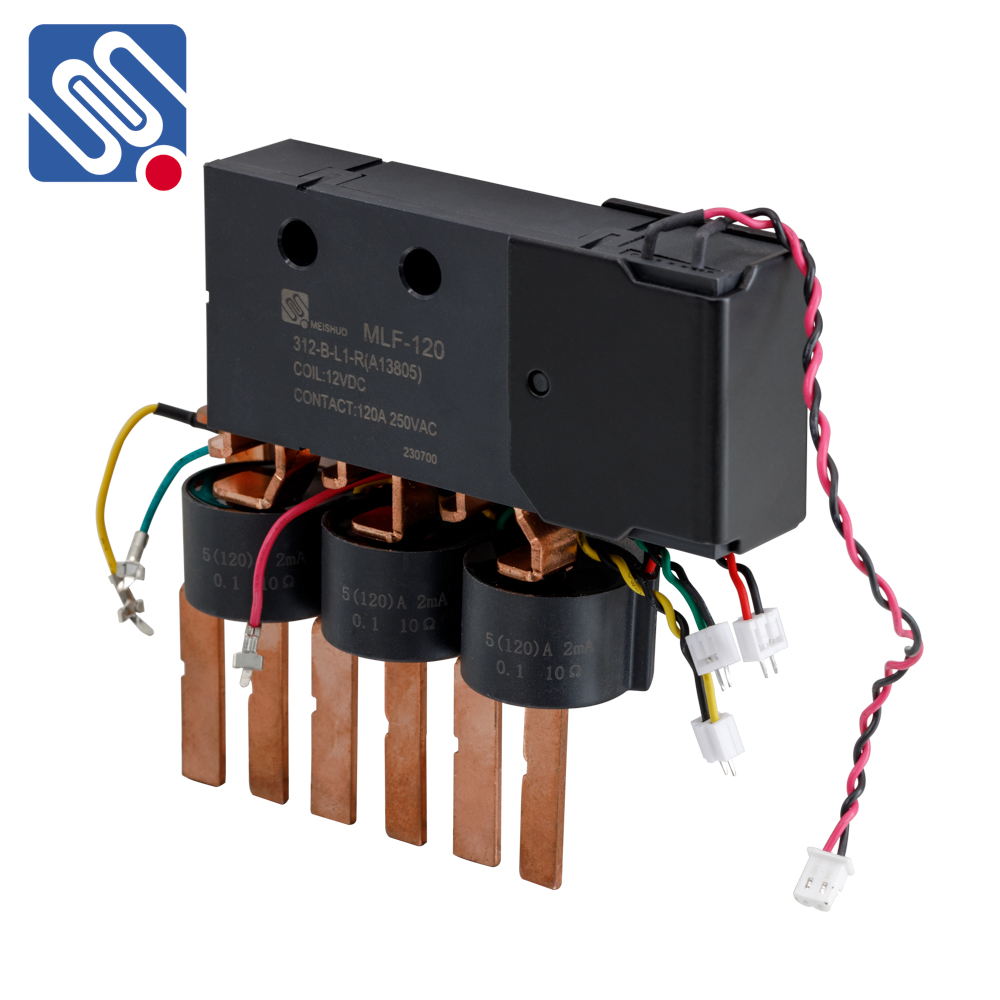
What is a Relay? At the heart of any relay assembly is the relay itself. A relay is an electrically operated switch that allows a low power signal to control a high power circuit. Typically, it consists of a coil, a set of contacts, and an armature. The coil generates a magnetic field when an electric current passes through it, causing the armature to move. This movement either opens or closes the contacts, thus controlling the flow of electricity to the circuit. Relays come in various forms, including mechanical, solid-state, and reed relays, each offering specific advantages depending on the application.