In the rapidly evolving field of electric vehicles (EVs) and renewable energy systems, the need for efficient and reliable electrical components has never been greater. One such component that plays a crucial role in ensuring system integrity is the Precharge Relay. This article delves into the function, importance, and applications of precharge relays in high-voltage electrical systems.
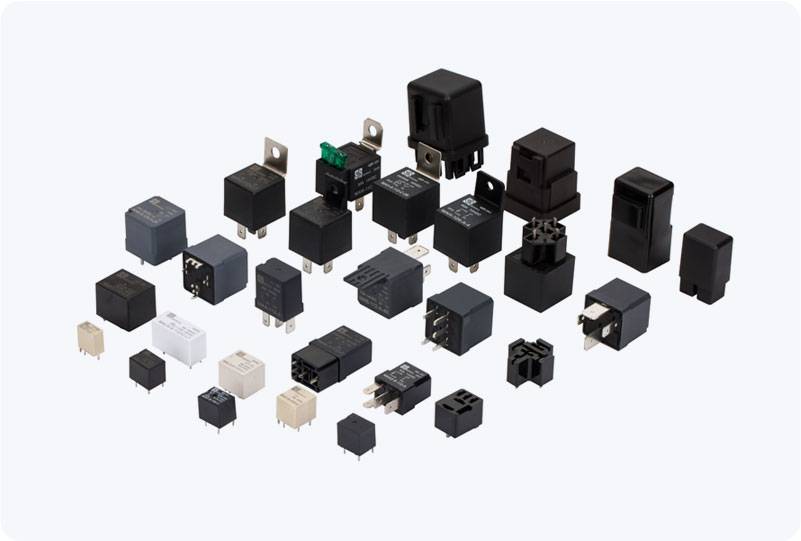
What is a Precharge Relay? A precharge relay is an electrical switch designed to manage the initial charging of capacitors and other critical components in high-voltage systems. Typically used in electric vehicle powertrains and energy storage systems, precharge relays are responsible for gradually charging capacitors to prevent sudden surges of current when connecting high-voltage battery packs or other energy sources. How Does a Precharge Relay Work? The operation of a precharge relay can be broken down into several key phases: Initial Connection: When an electrical system is powered on, the precharge relay closes to connect the energy source (often a battery or capacitor) to the capacitive load (such as a DC/DC converter or inverter). This connection allows a controlled current to flow, enabling the capacitors to charge gradually.