Power relays are vital components in electrical systems, acting as intermediaries that enable the control of high-power devices with low-power signals. As technology advances and the demand for automation increases, understanding power relays and their applications becomes essential for engineers, technicians, and enthusiasts alike. This article will delve into the fundamentals of power relays, their working principles, types, applications, advantages, and important considerations when selecting the right relay for a specific task.
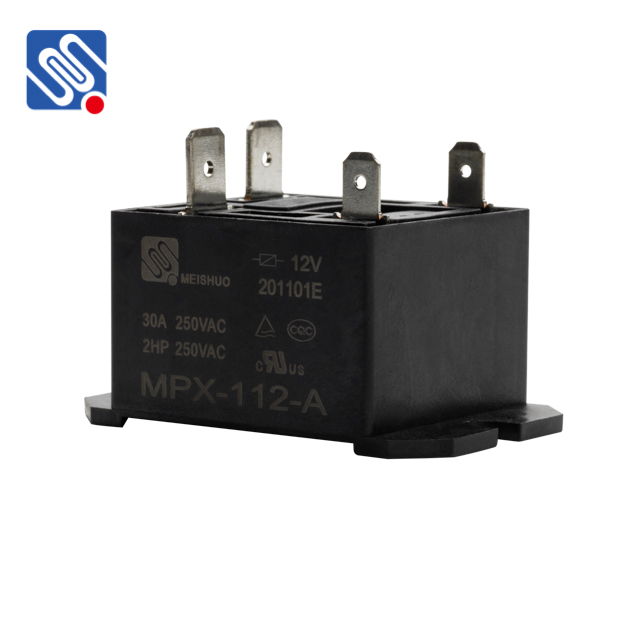
What is a Power Relay? A power relay is an electrically operated switch that uses an electromagnet to mechanically operate a switching mechanism. When a low-power control signal is applied to the relay’s coil, it generates a magnetic field that attracts a movable armature connected to the relay’s contacts. This action either closes or opens the contacts, allowing or interrupting the flow of current to the load connected to the relay. Working Principle of Power Relays The working principle of a power relay is straightforward yet efficient. The key components of a power relay include the coil, the armature, the contacts, and the spring. When electric current flows through the coil, a magnetic field is created. This magnetic field pulls the armature towards the coil, causing the contacts to either connect or disconnect the circuit.