In the rapidly evolving world of electric vehicles (EVs), the Power Distribution Unit (PDU) plays a crucial role in managing the high-voltage power flow from the battery to various vehicle systems. Among its components, the PDU relay stands out as a critical element ensuring both safety and efficient energy distribution. Understanding the function, structure, and importance of the PDU relay is essential for anyone interested in EV technology.
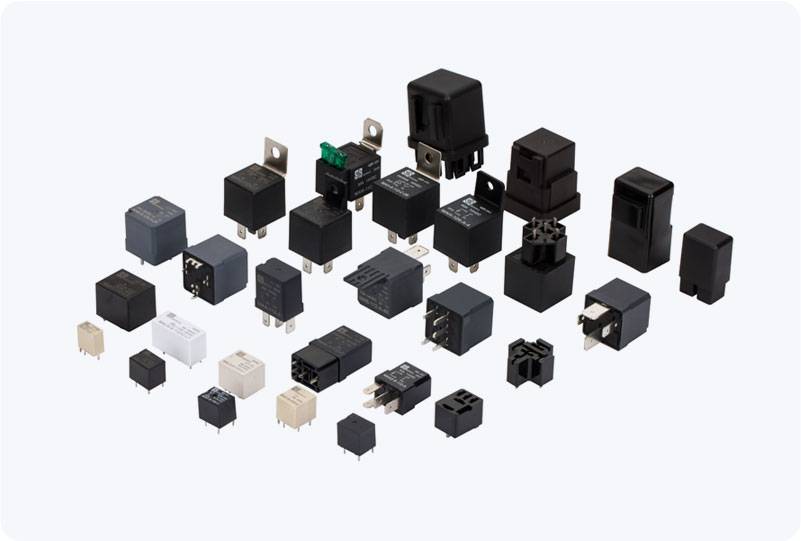
The PDU, or Power Distribution Unit, serves as the central hub for electrical energy in an electric vehicle. It distributes high-voltage power from the battery pack to the electric motor, onboard chargers, and auxiliary systems like HVAC and DC-DC converters. The PDU relay, as a switching component within this system, allows controlled connection and disconnection of these power circuits. Its presence ensures that the power flow is not only efficient but also safe, preventing potential hazards from short circuits or overcurrent conditions. One of the primary functions of a PDU relay is high-voltage isolation. In the event of a fault, such as a collision or electrical malfunction, the relay can immediately disconnect the battery from the load, protecting both the vehicle and its occupants. This rapid response is vital because high-voltage systems in EVs carry risks that traditional low-voltage automotive systems do not. By disconnecting power in emergencies, the PDU relay serves as a first line of defense against fire, electric shock, or damage to expensive components.