An Overload Relay is an essential protective device commonly used in electrical circuits, particularly in industrial and commercial applications, to safeguard motors from overheating and potential damage due to excessive current. It serves as an automatic mechanism that disconnects the motor from the power supply when the current exceeds a predefined threshold, ensuring that the motor operates within safe limits. In this article, we will explore the importance of overload relays, their types, working principles, and practical applications.
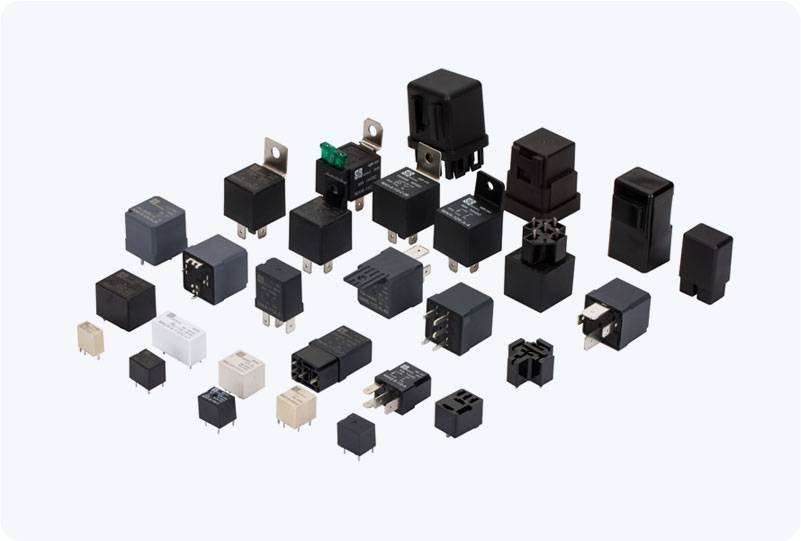
What is an Overload Relay? An overload relay is designed to protect electrical motors from damage caused by overcurrent conditions. Motors are at risk of overheating when they are subjected to sustained overcurrent conditions, either due to a mechanical fault (e.g., a jammed shaft) or an electrical fault (such as a short circuit). Over time, excessive current can cause insulation breakdown, thermal damage, and eventual motor failure. The overload relay serves as a first line of defense, preventing such failures by cutting off power when the current exceeds safe levels. Types of Overload Relays