In the world of electronics, the demand for compact and efficient components has always been on the rise. One such crucial component is the miniature relay. Miniature relays are electromagnetic switches that allow low-power control signals to manipulate higher power circuits. Understanding their functionalities, applications, and advantages can provide insight into their significance in various electronic devices.
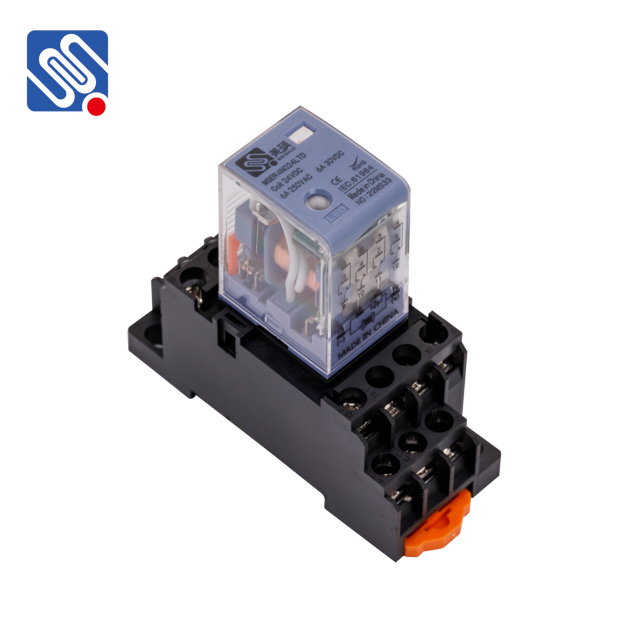
What is a Miniature Relay? A miniature relay is a small device that utilizes an electromagnetic mechanism to control the opening and closing of electrical contacts. Typically, these relays are designed to handle low voltage and current signals and can switch higher voltage and current levels, acting as an intermediary that bridges different electrical domains. They are highly favored in applications where space is limited, but a reliable means of controlling larger power circuits is necessary. How Miniature Relays Work The operation of a miniature relay is based on electromagnetic induction. When a low-power control signal is applied to the relay’s coil, it generates a magnetic field, which attracts an armature connected to the relay contacts. Depending on the design, this movement either closes or opens the circuit, enabling or disabling the flow of electricity in a connected load. This rapid switching action allows miniature relays to perform multiple tasks, including controlling motors, lights, and other machinery.