In the modern era of energy-efficient technology and sustainable design, every component in a system plays a crucial role in reducing energy consumption. One such component that has gained significant importance is the low-power relay. These relays, designed for minimal power usage, are essential for applications where power efficiency is paramount, such as in battery-powered devices, IoT systems, and portable electronics. This article explores what low-power relays are, their benefits, working principles, and various applications.
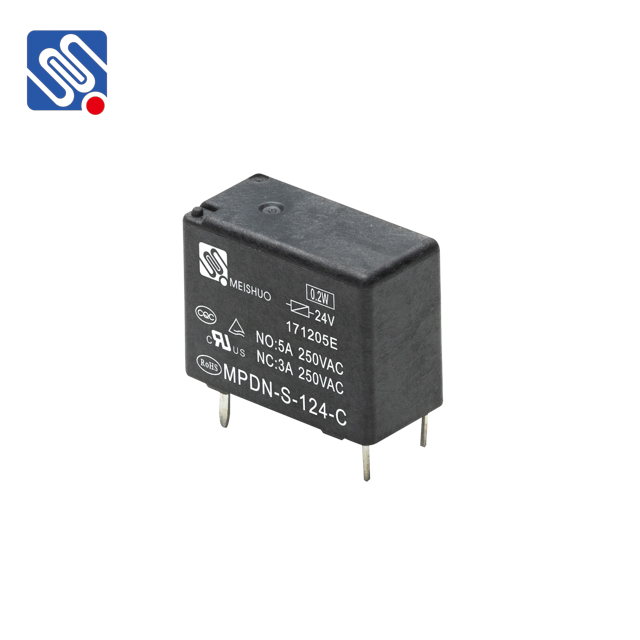
What is a Low-Power Relay? A low-power relay is a type of relay that is designed to operate using minimal power. In electrical systems, relays are used as switches to open or close circuits, and they are commonly found in various control systems, such as those used in automation, automotive applications, and home appliances. What distinguishes a low-power relay from conventional relays is its ability to operate effectively while consuming less current, making it ideal for power-sensitive applications. These relays are particularly useful in systems that rely on battery power or where energy consumption needs to be minimized. Low-power relays are optimized to function with low coil voltages and currents, ensuring that they can activate and de-activate circuits without significant energy waste.