When it comes to workplace safety, particularly in industries where machinery and electrical systems are present, one of the most critical safety protocols is ensuring that workers cannot accidentally start or operate machinery during maintenance. Lockout Hasps are crucial tools in this regard, used to physically lock a piece of equipment in a safe state, preventing its activation while it is being worked on. In this article, we will dive into the factors influencing the pricing of Lockout Hasps, the various types available, and what to consider when obtaining a Lockout Hasps quotation.
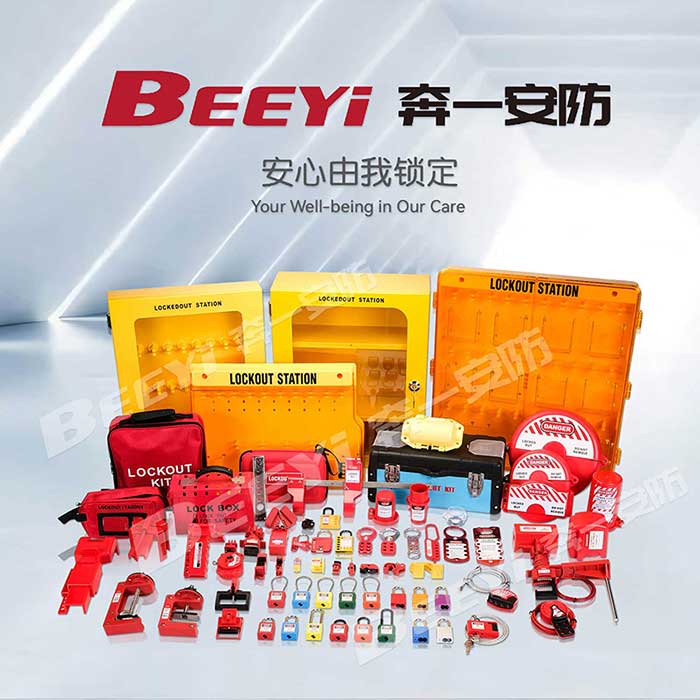
What is a Lockout Hasps? A Lockout Hasp is a safety device used in lockout/tagout (LOTO) procedures to isolate machinery or electrical equipment from power sources during servicing or maintenance. It is designed to allow multiple locks to be attached to a single locking point, which ensures that no one can operate the equipment until all authorized personnel have removed their locks. This prevents accidental machine start-up, safeguarding workers and ensuring compliance with workplace safety regulations. Factors Influencing Lockout Hasps Quotation Material and Durability One of the primary factors affecting the price of a Lockout Hasp is the material it is made from. Lockout Hasps come in various materials such as steel, aluminum, and plastic. Steel models tend to be more expensive due to their durability and resistance to corrosion. Aluminum options are often lightweight and resistant to rust but may not offer the same level of robustness as steel. Plastic Lockout Hasps are generally less expensive and suitable for environments where extreme durability is not necessary.