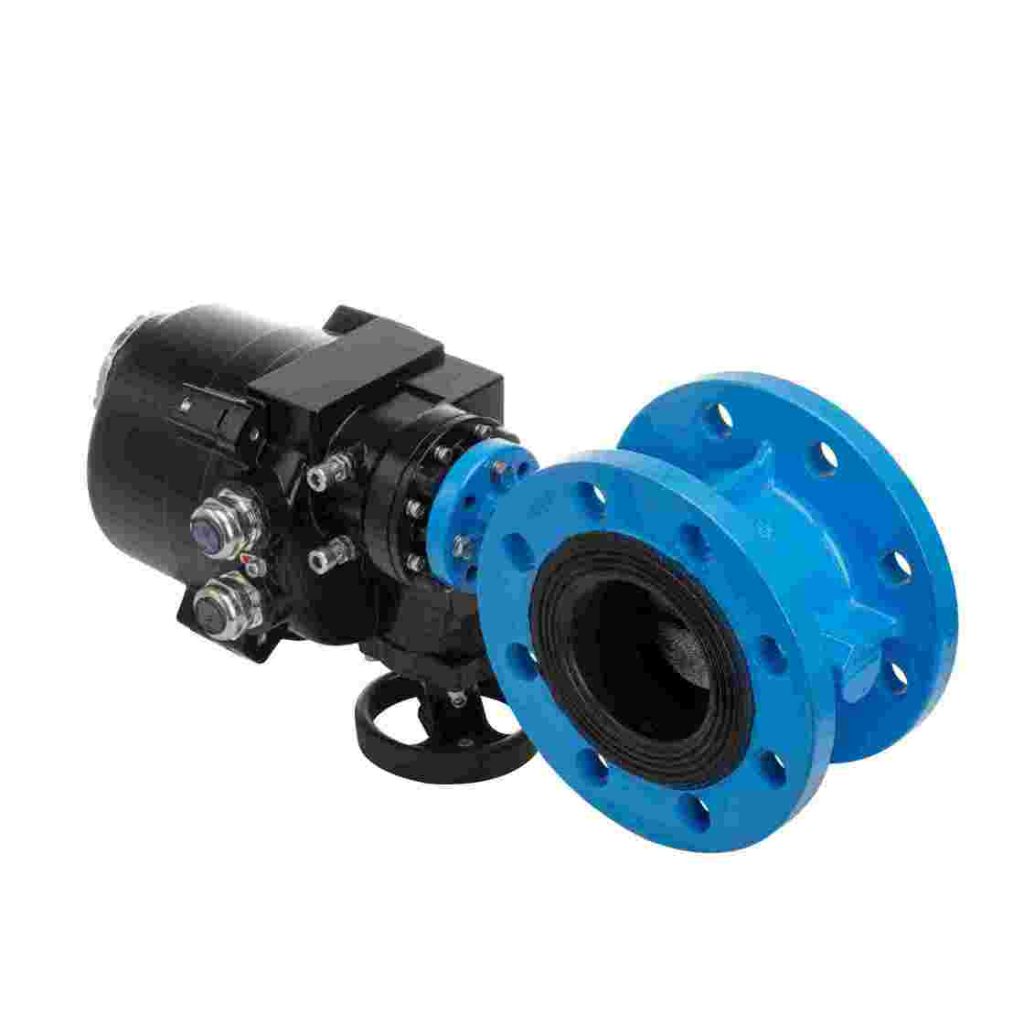
As the world shifts towards sustainable energy solutions, hydrogen has emerged as a pivotal player in the quest for cleaner energy sources. Hydrogen energy holds the promise of reducing greenhouse gas emissions significantly, making it an attractive alternative to fossil fuels. Within this evolving landscape, the role of specialized equipment, such as the Hydrogen Energy Electric Flanged Butterfly Valve (HEEFBV), becomes crucial. This article delves into the characteristics, applications, and significance of HEEFBVs in hydrogen energy systems.
What is a Hydrogen Energy Electric Flanged Butterfly Valve?
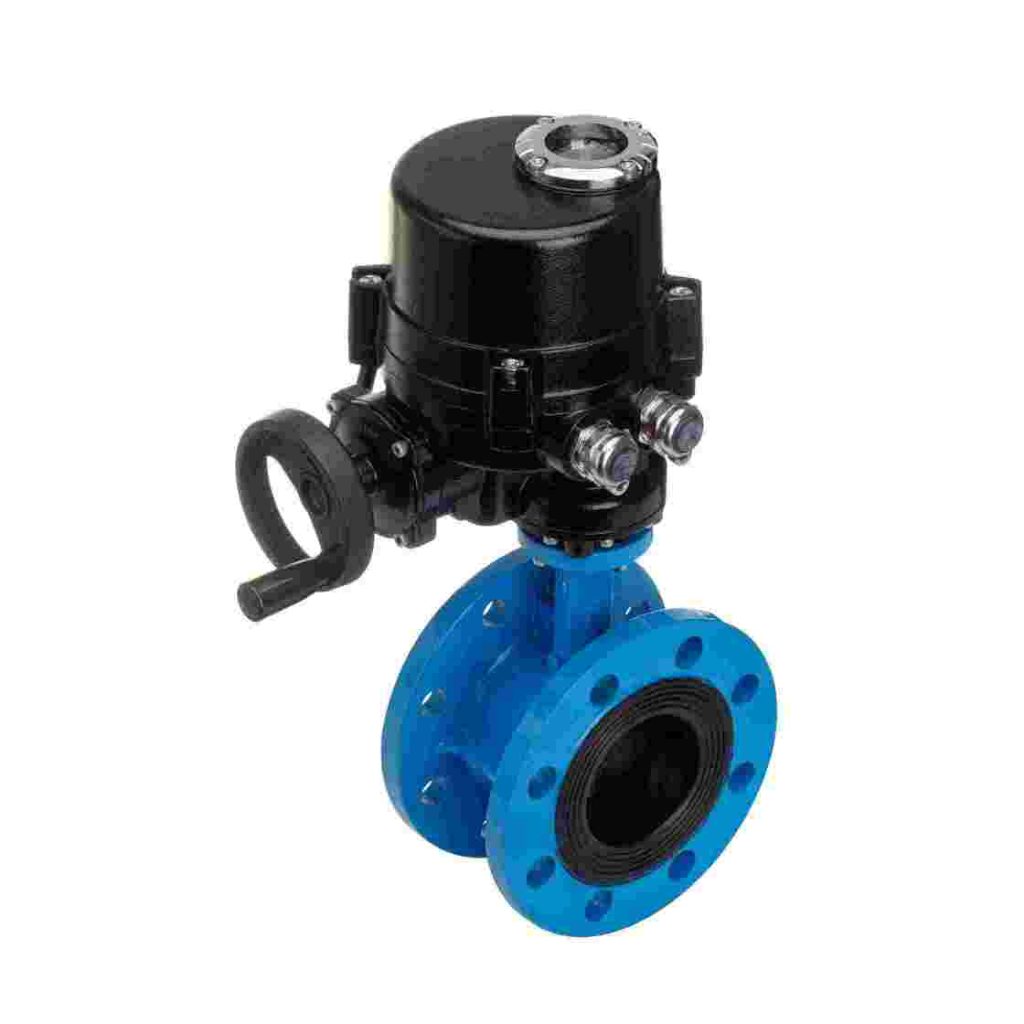
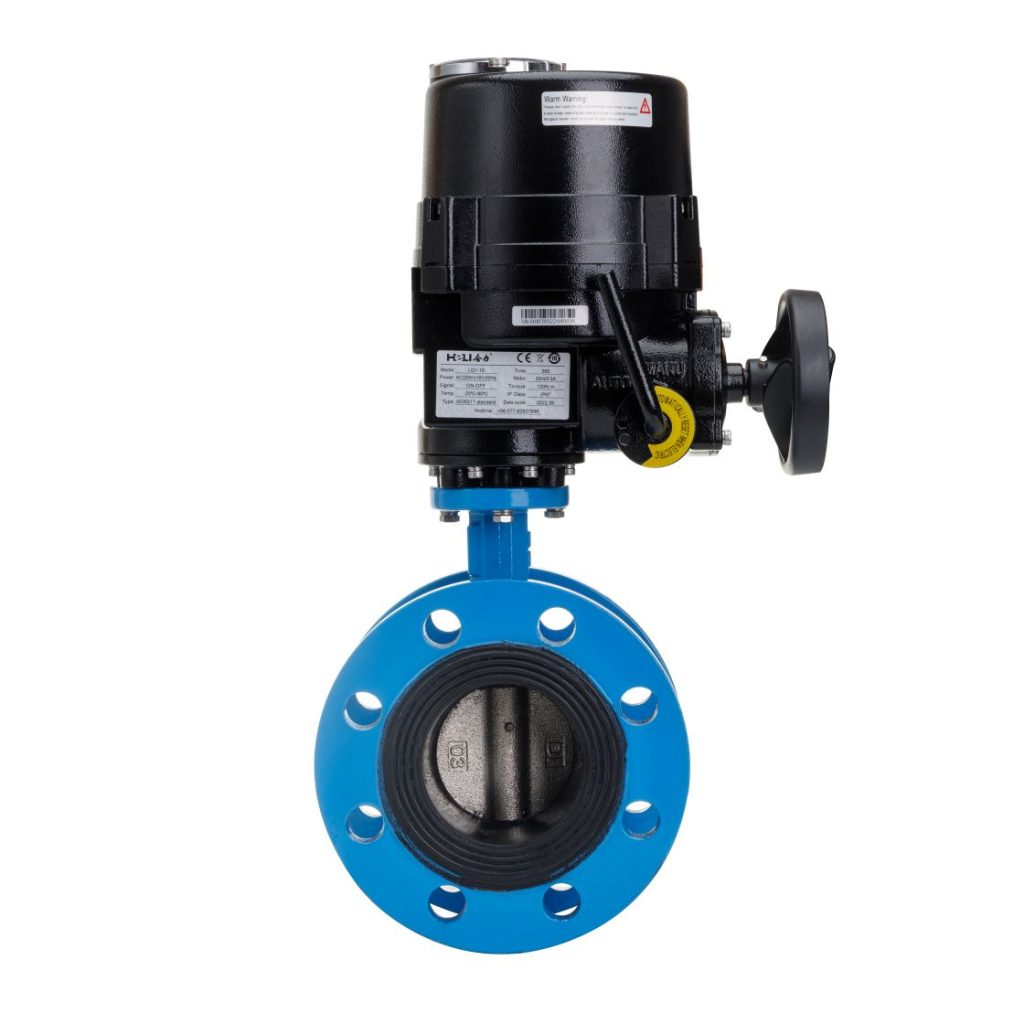
A Hydrogen Energy Electric Flanged Butterfly Valve is a type of valve specifically designed for controlling the flow of hydrogen gas in various systems. Its structure consists of a circular disc (the butterfly) that rotates around a fixed axis to either open or close the passageway of the fluid within a pipeline. The term “flanged” refers to the valve’s method of connection, which involves flanges that bolt the valve to pipes, ensuring a secure and leak-resistant seal. What distinguishes this valve from others is the integration of an electric actuator, allowing for automated control of the valve’s position. This feature is particularly beneficial in applications where precise flow control and remote operation are necessary.