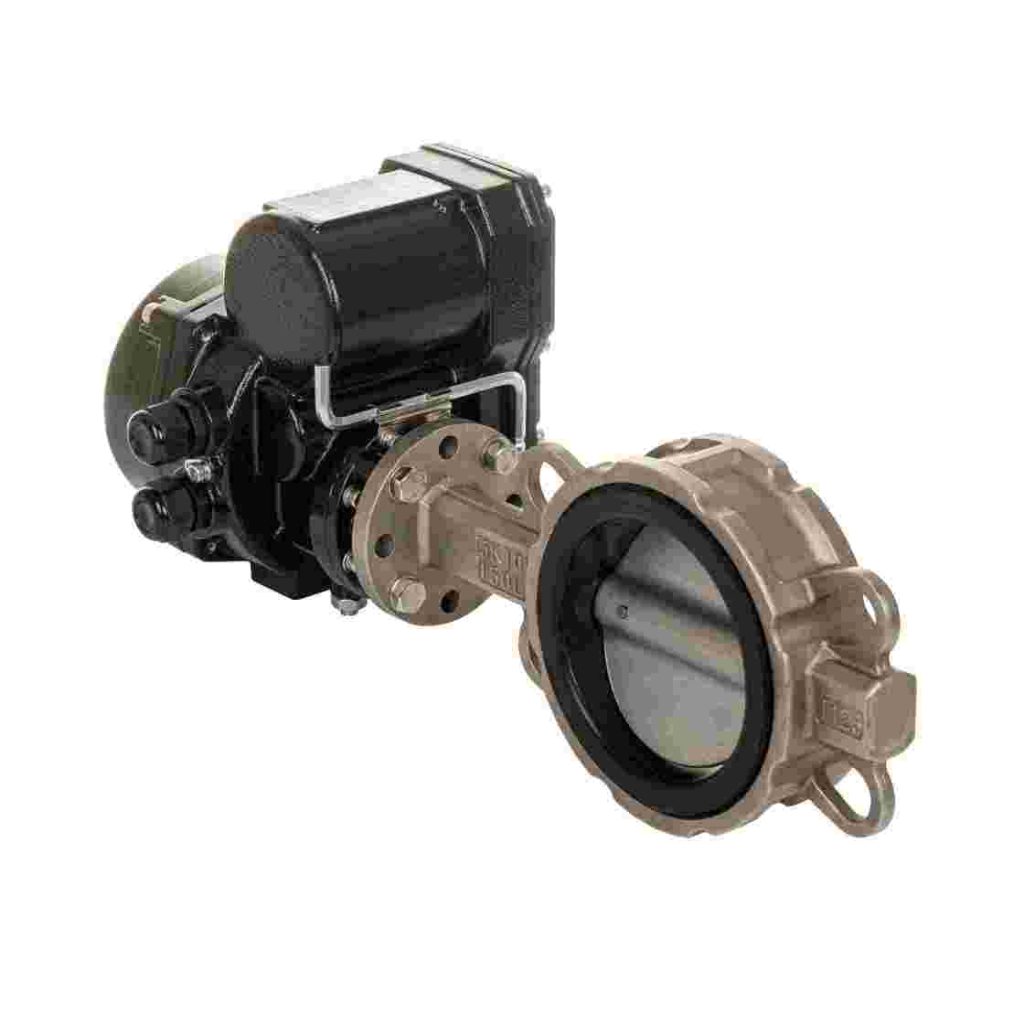
The transition to hydrogen energy has been gaining momentum as the world seeks cleaner, more sustainable alternatives to fossil fuels. As hydrogen energy systems continue to evolve, efficient flow control mechanisms are required to ensure safety and reliability in their operation. One such critical component is the Hydrogen Energy Electric Clamp Butterfly Valve. This valve type plays a pivotal role in regulating the flow of hydrogen gas in various applications, including storage, transportation, and distribution systems. In this article, we will explore the design, functionality, and importance of hydrogen energy electric clamp butterfly valves in modern energy systems.
What is a Hydrogen Energy Electric Clamp Butterfly Valve?
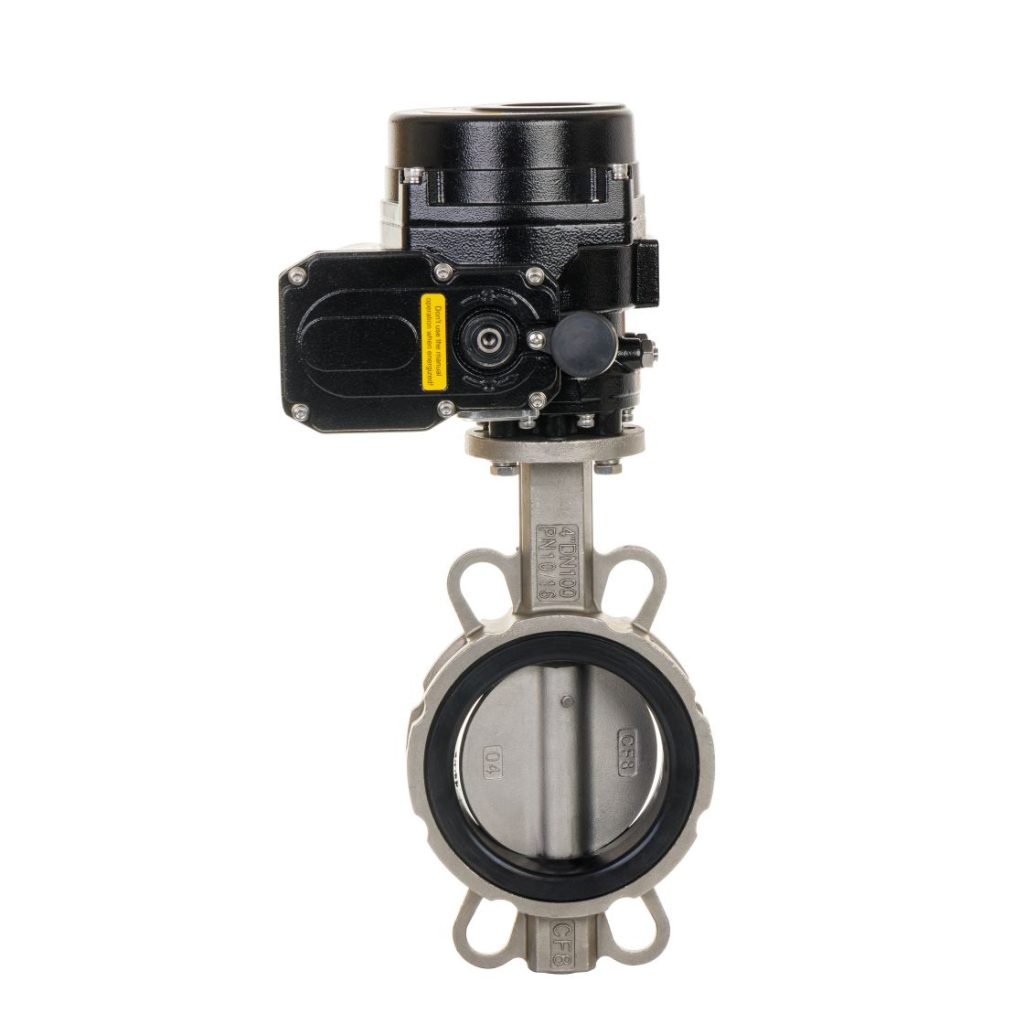
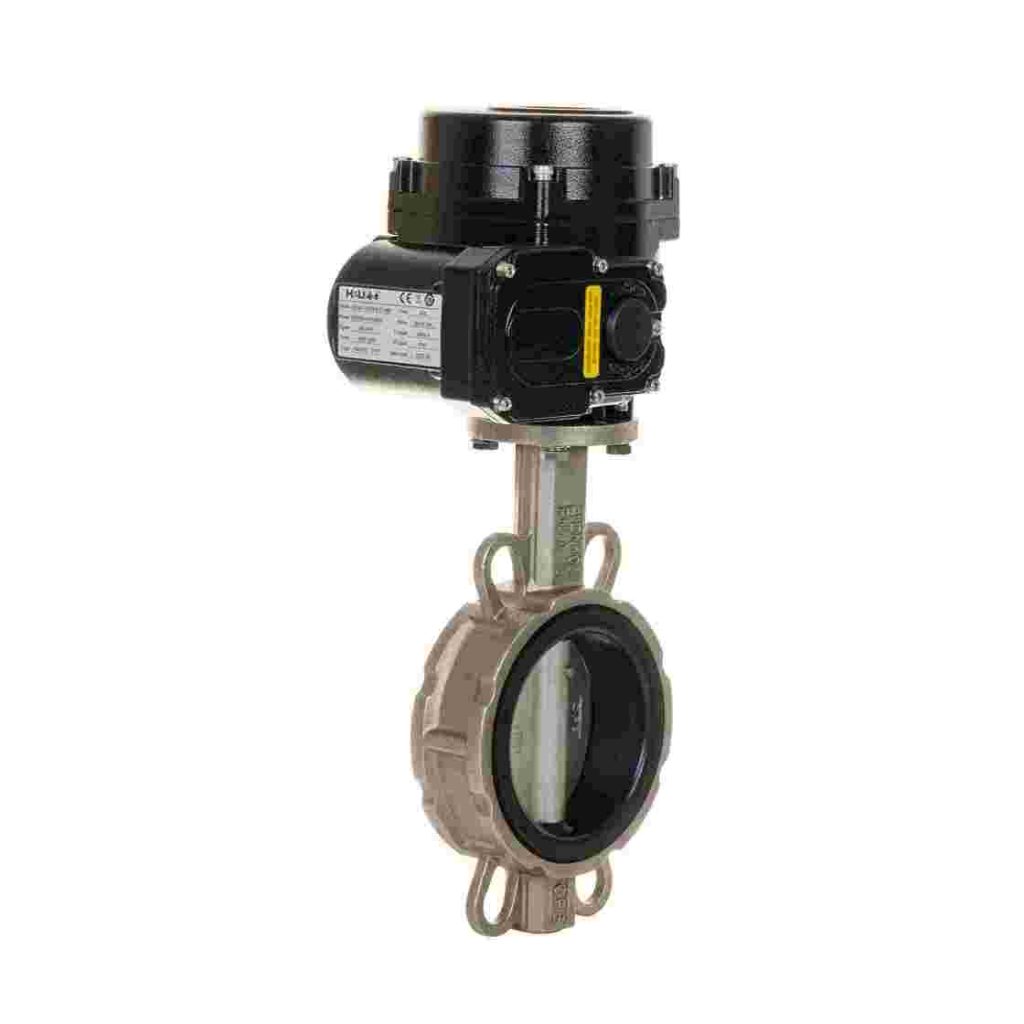
A Hydrogen Energy Electric Clamp Butterfly Valve is a type of valve specifically designed to control the flow of hydrogen gas. It integrates the features of a traditional butterfly valve with an electric actuator, providing precise control over the flow rate. These valves are commonly used in systems that require automatic operation, such as hydrogen refueling stations, industrial hydrogen pipelines, and hydrogen storage facilities. The “electric” aspect refers to the use of an electric motor to control the opening and closing of the valve, while the “clamp” feature refers to the valve’s method of installation, which involves clamping it between two flanges.