In industries such as food processing, beverage production, and pharmaceuticals, equipment and materials must meet stringent safety and hygiene standards to ensure the products’ safety and quality. One critical component that must adhere to these standards is the solenoid valve, especially those used in food-grade applications. Food Grade Solenoid Valve Certification is an essential process that verifies the valve’s materials, design, and manufacturing processes comply with the necessary regulations to prevent contamination and maintain food safety. This article will delve into the importance of this certification, the key standards involved, and why it matters in food production environments.
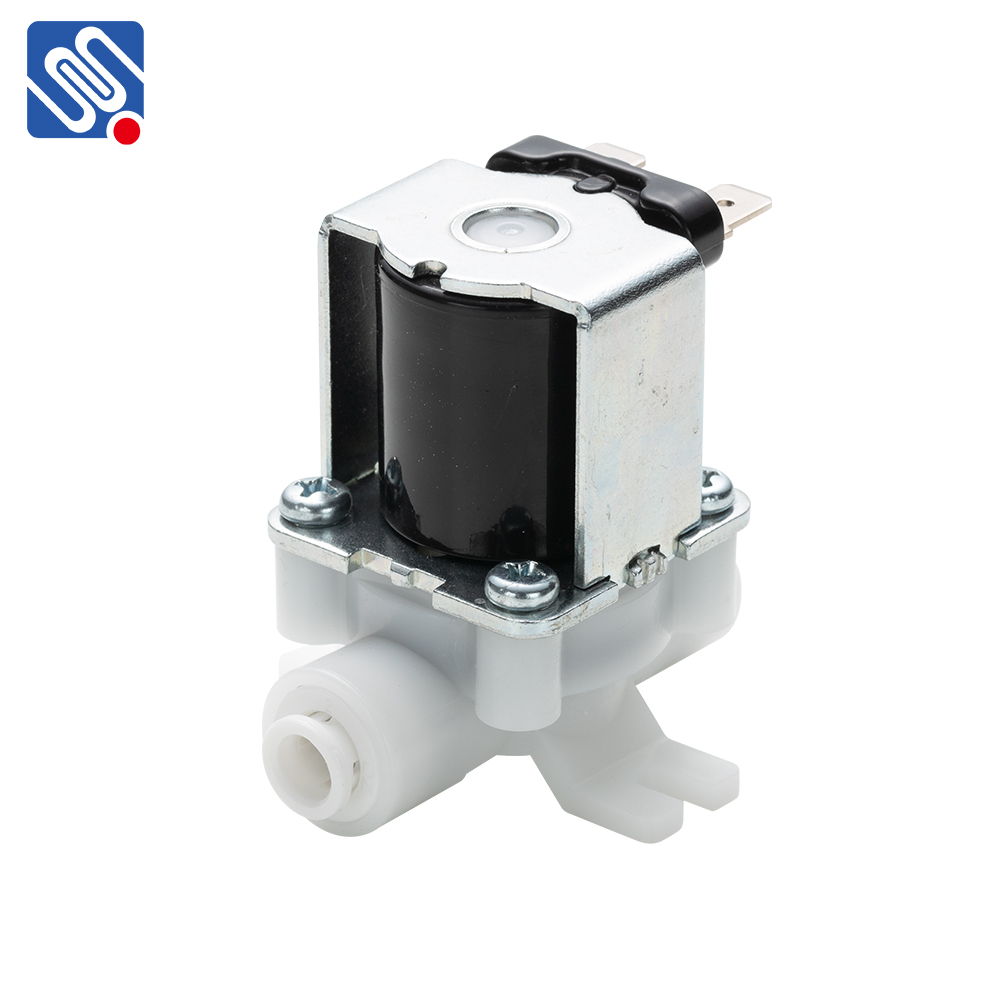
What is a Food Grade Solenoid Valve? A solenoid valve is an electromechanical device used to control the flow of fluids or gases. In food and beverage processing, these valves regulate the flow of liquids, gases, steam, and other materials during various stages of production. A food-grade solenoid valve is designed to ensure that the materials used are safe for direct or indirect contact with food or beverages without compromising product quality. These valves must meet several regulatory standards to ensure they do not leach harmful substances or fail under high-pressure or high-temperature conditions commonly found in food processing environments.