In industrial settings, the safety of workers is paramount, especially when it comes to the use of heavy machinery and complex equipment. One crucial aspect of ensuring this safety is the implementation of a robust lockout/tagout (LOTO) system. A key component of this system is the use of equipment lockout tags. These tags serve as a vital visual indicator that machinery is not safe to operate, effectively preventing accidental start-up during maintenance or repair tasks. This article explores the significance, application, and best practices associated with equipment lockout tags.
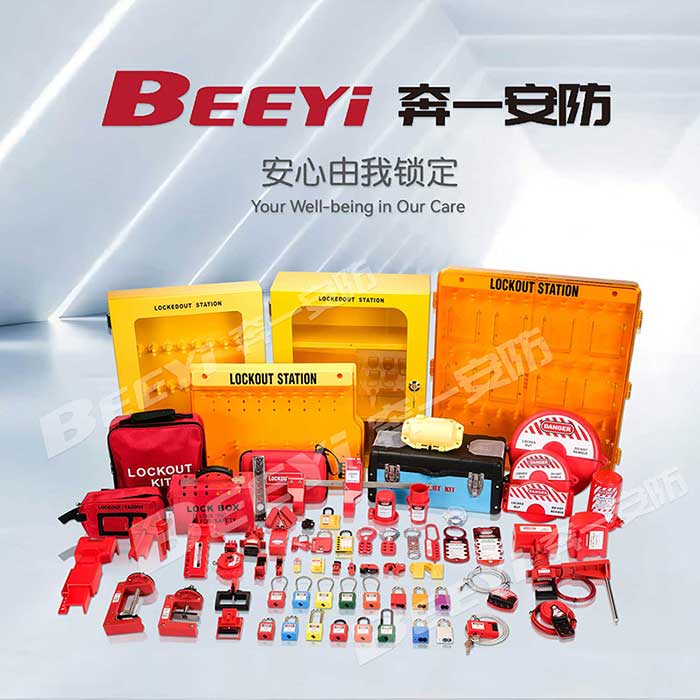
The Importance of Equipment Lockout Tags Equipment lockout tags play a fundamental role in safeguarding personnel working on or near hazardous equipment. When maintenance or repair work is necessary, it is crucial to ensure that equipment cannot be activated accidentally. Equipment lockout tags serve as a warning sign. They communicate to all employees that the equipment is out of service, thus minimizing the risk of workplace accidents. Accidental equipment start-up can lead to severe injuries, sometimes even fatalities. According to the Occupational Safety and Health Administration (OSHA), improper lockout/tagout procedures are a common cause of workplace injuries. By implementing an effective tagging system, companies can significantly reduce these risks, fostering a safer work environment.