In today’s industrial and commercial environments, safety is paramount. Electrical equipment lockouts are vital tools that ensure worker protection during maintenance or repair tasks by isolating power sources. These devices prevent accidents, injuries, and fatalities by securely locking out electrical systems, which are dangerous to operate without the proper precautions. As industries demand more robust safety measures, the wholesale market for electrical equipment lockouts has become increasingly competitive. This article delves into the factors that influence the wholesale prices of these crucial safety devices and the current market trends.
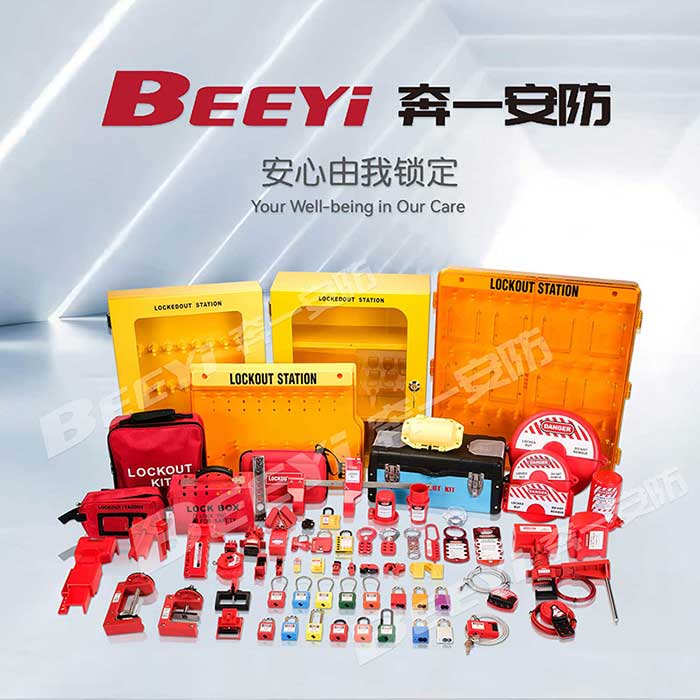
What Are Electrical Equipment Lockouts? Electrical equipment lockouts are safety devices that physically block or disconnect electrical systems from power sources. These lockouts typically come in the form of mechanical locks, valve lockouts, and circuit breaker locks, each designed for specific applications. When maintenance work is being conducted, the lockout ensures that the electrical system cannot be inadvertently turned on, offering workers a crucial layer of protection against electrical shocks. These devices are essential in a wide range of industries, including manufacturing, construction, energy, and telecommunications. The demand for such safety equipment is driven by stringent regulations and safety standards, such as the Occupational Safety and Health Administration (OSHA) guidelines in the United States, which require businesses to implement lockout/tagout (LOTO) procedures to prevent electrical accidents.