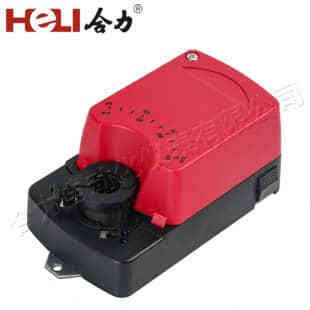
Damper actuators are crucial components in modern HVAC (Heating, Ventilation, and Air Conditioning) systems, playing a vital role in regulating airflow, temperature, and energy efficiency. In essence, these devices serve to adjust the position of dampers, or airflow regulating valves, within ducts or ventilation systems. By doing so, they control the amount of air that passes through, allowing for precise management of indoor climates in both residential and industrial settings.
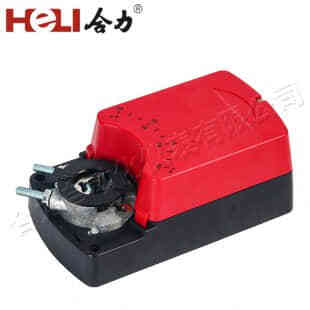
What Is a Damper Actuator?
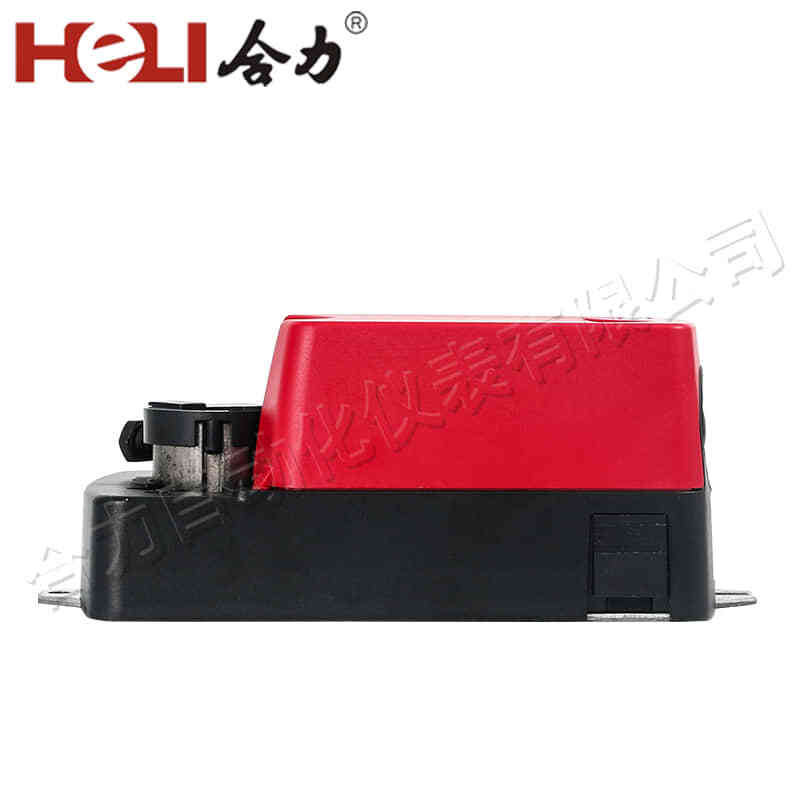
A damper actuator is an electromechanical device that adjusts the position of a damper in response to a signal from a controller, which could be a thermostat or a building management system. The actuator is designed to respond to either an electrical, pneumatic, or hydraulic signal to open or close the damper, thus regulating the airflow. These devices are critical in maintaining the comfort, efficiency, and proper functioning of HVAC systems. Types of Damper Actuators There are two primary types of damper actuators: electric and pneumatic actuators. Each type has its own set of advantages and applications: