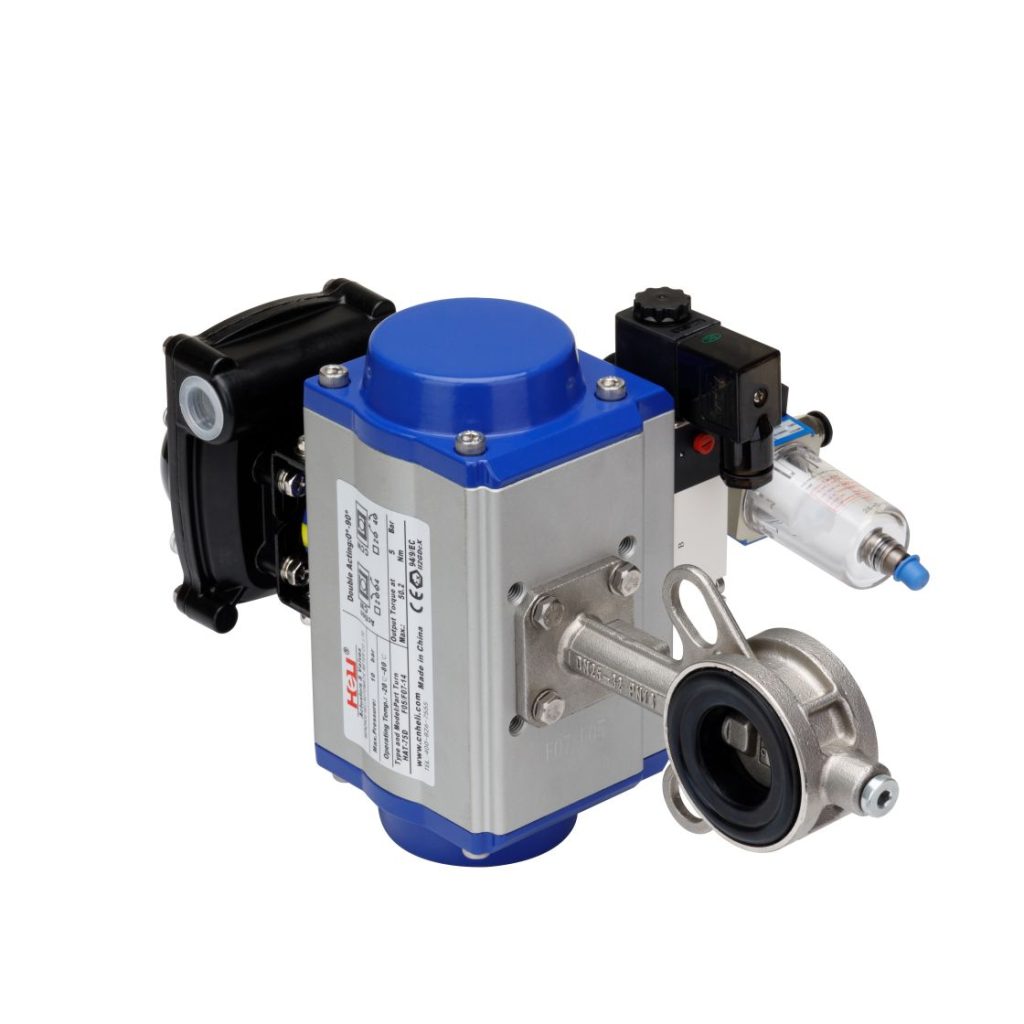
In recent years, hydrogen energy has gained significant attention as a clean, sustainable alternative to fossil fuels. As industries strive to reduce carbon emissions, hydrogen has emerged as a key player in the transition to a more sustainable energy future. However, effective management and safe handling of hydrogen gas are crucial in various sectors, especially in hydrogen production, storage, and distribution. One of the essential components in ensuring the safe and efficient operation of hydrogen systems is the Hydrogen Energy Pneumatic Butterfly Valve. This article explores the importance, functionality, and applications of pneumatic butterfly valves in hydrogen energy systems.
What is a Hydrogen Energy Pneumatic Butterfly Valve?
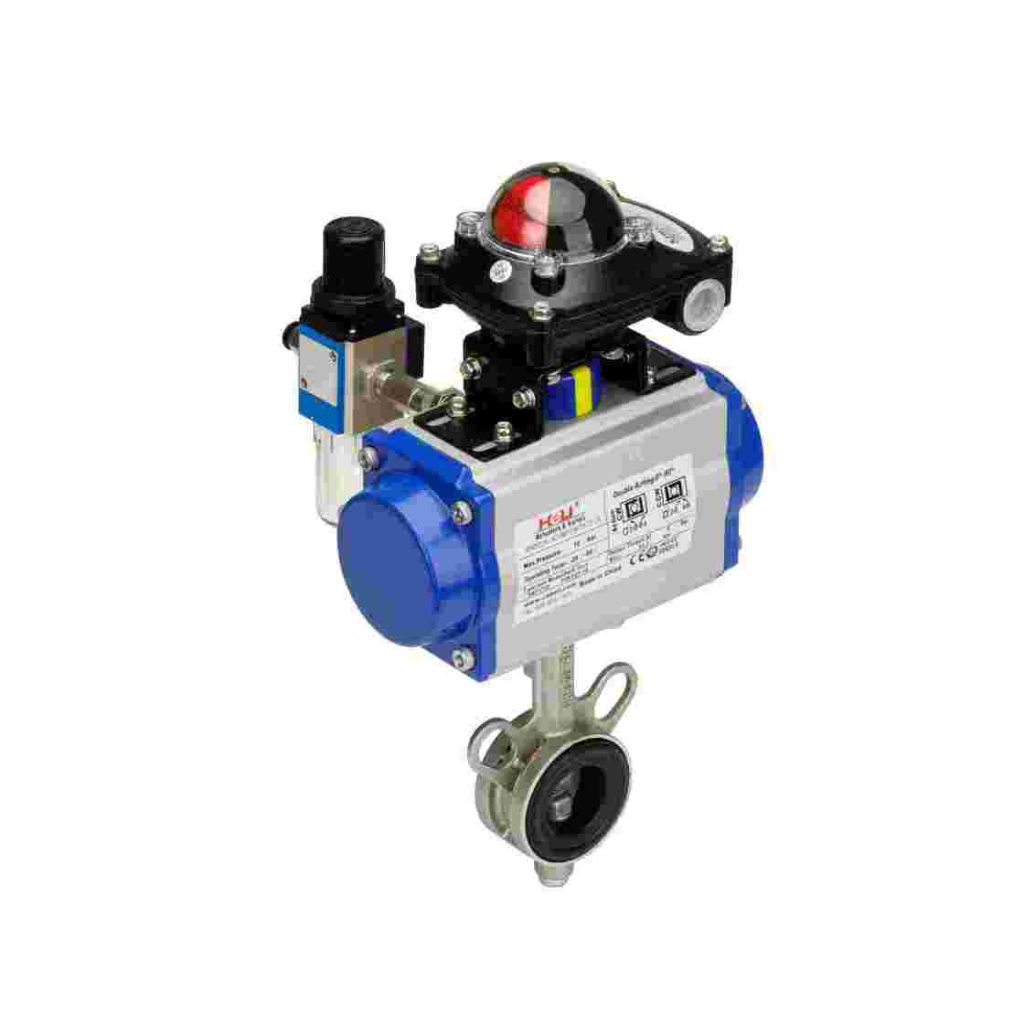
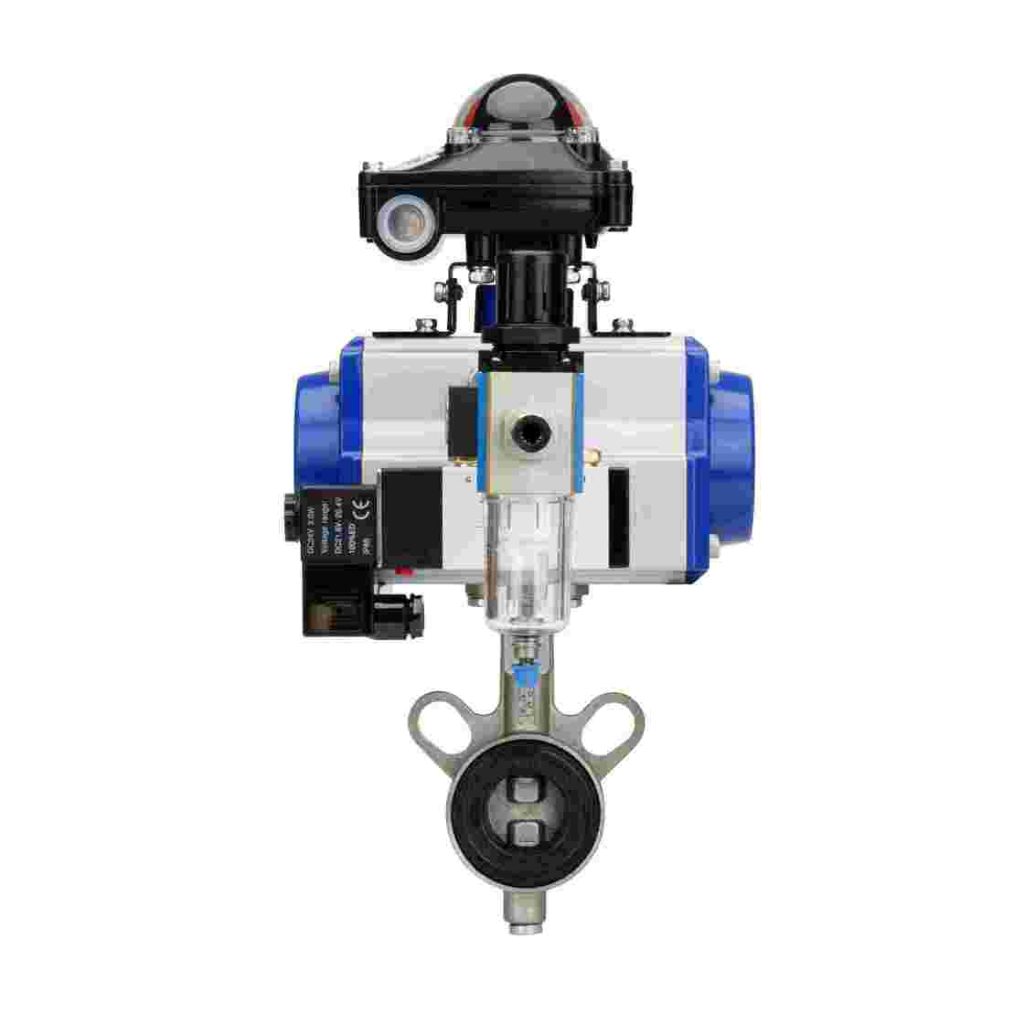
A Hydrogen Energy Pneumatic Butterfly Valve is a type of valve designed specifically for controlling the flow of hydrogen gas in industrial systems. The “pneumatic” aspect refers to the use of compressed air or gas to drive the valve, whereas the “butterfly” mechanism uses a rotating disk to regulate the flow of the gas. The valve’s operation is straightforward, with the disk either opening or closing to allow or restrict the passage of hydrogen gas through pipelines. Given the high demand for safety and precision in hydrogen systems, these valves are typically designed with robust sealing and control features to withstand the challenging conditions posed by hydrogen gas, including high pressure, low temperature, and the potential for leakage.