High-power relays play a crucial role in modern electrical and electronic systems where high current and voltage control are necessary. From industrial automation to automotive and power systems, these relays ensure safe and efficient switching of large electrical loads. This article explores the functioning, applications, and importance of high-power relays, highlighting their essential role in maintaining the reliability and safety of high-power circuits.
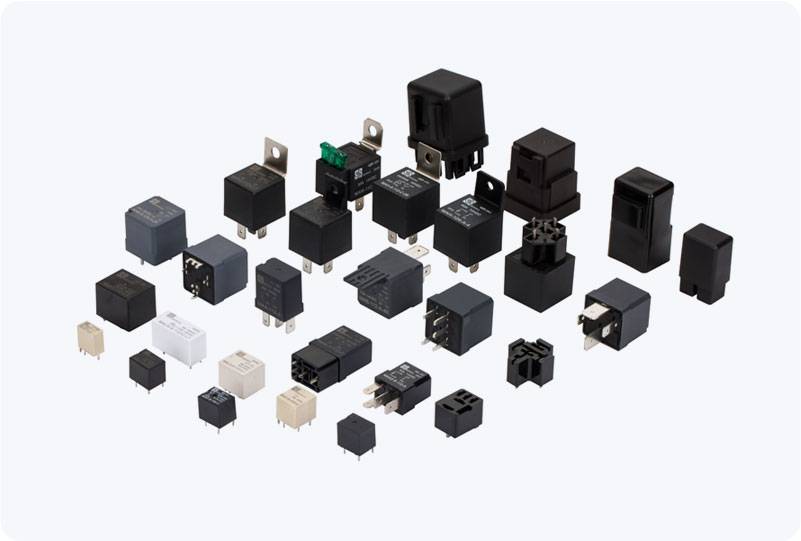
What is a High-Power Relay? A high-power relay is an electromechanical or solid-state switching device designed to control circuits carrying high voltage and high current. Unlike standard relays, which are used for smaller loads, high-power relays are built to handle large electrical currents, often in the range of hundreds or thousands of amperes. These relays are critical in environments where switching power levels can potentially damage sensitive components if not managed correctly.
Types of High-Power Relays High-power relays can be broadly categorized into two main types: electromagnetic relays and solid-state relays (SSRs).