In industrial environments, ensuring the safety of workers is paramount, particularly when it comes to the operation and maintenance of machinery and equipment. One critical tool in preventing workplace accidents is the Safety LOTO Lock, a component of the Lockout/Tagout (LOTO) safety procedures. These procedures are designed to prevent the accidental release of hazardous energy while workers are servicing or maintaining equipment. The Safety LOTO Lock plays a vital role in ensuring that only authorized personnel can control energy sources, preventing unintended activation or energy release during maintenance activities.
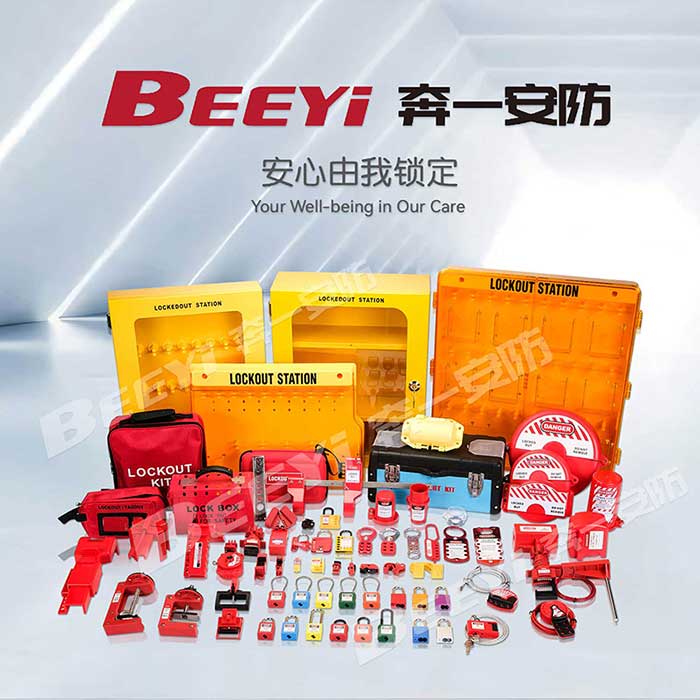
What is Safety LOTO Lock? The term “LOTO” stands for Lockout/Tagout, which refers to a set of practices and procedures used to ensure that hazardous energy sources are properly isolated during equipment maintenance or repair. A Safety LOTO Lock is a physical lock that is used to secure the energy isolation points of a piece of equipment, such as electrical disconnects, valves, or machine switches. It typically features a robust design, often made from durable materials like heavy-duty plastic or metal, to withstand harsh industrial environments. The primary function of the Safety LOTO Lock is to prevent unauthorized personnel from accessing or reactivating machinery or equipment that has been locked out. This is accomplished by placing the lock on an energy-isolating device, ensuring that no energy—whether electrical, mechanical, hydraulic, or pneumatic—can be inadvertently released. Furthermore, these locks are usually accompanied by tags that display crucial information such as the name of the person who applied the lock, the reason for the lockout, and the time when the lockout was initiated.