Electric pinch valves are becoming increasingly popular in various industries due to their unique ability to control the flow of fluids without traditional valve components. These valves provide a reliable, leak-proof solution for handling liquids, slurries, and gases, making them an essential tool in many sectors such as food processing, pharmaceuticals, chemicals, and wastewater treatment. This article explores the working principles, advantages, and common applications of electric pinch valves.
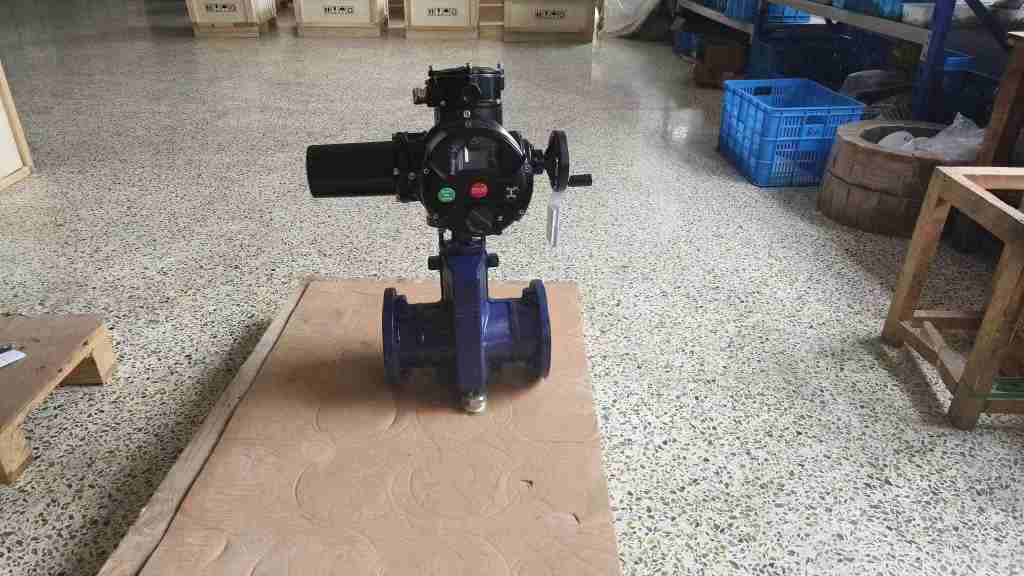
What is an Electric Pinch Valve? An electric pinch valve is a type of flow control valve that uses an electric actuator to pinch or compress a flexible tube or hose, effectively controlling the flow of fluid through a pipeline. The design consists of a soft rubber or synthetic material hose positioned within a valve body. When the electric actuator is activated, it pushes a mechanism that pinches the hose, restricting or completely blocking the flow of fluid. Conversely, when the actuator is released, the hose returns to its original state, allowing flow to resume. The mechanism of action is simple yet effective, as the valve essentially replaces traditional sealing elements found in conventional valves with the compression of a flexible tube. This eliminates the need for complex seals, making the electric pinch valve more durable and easier to maintain.