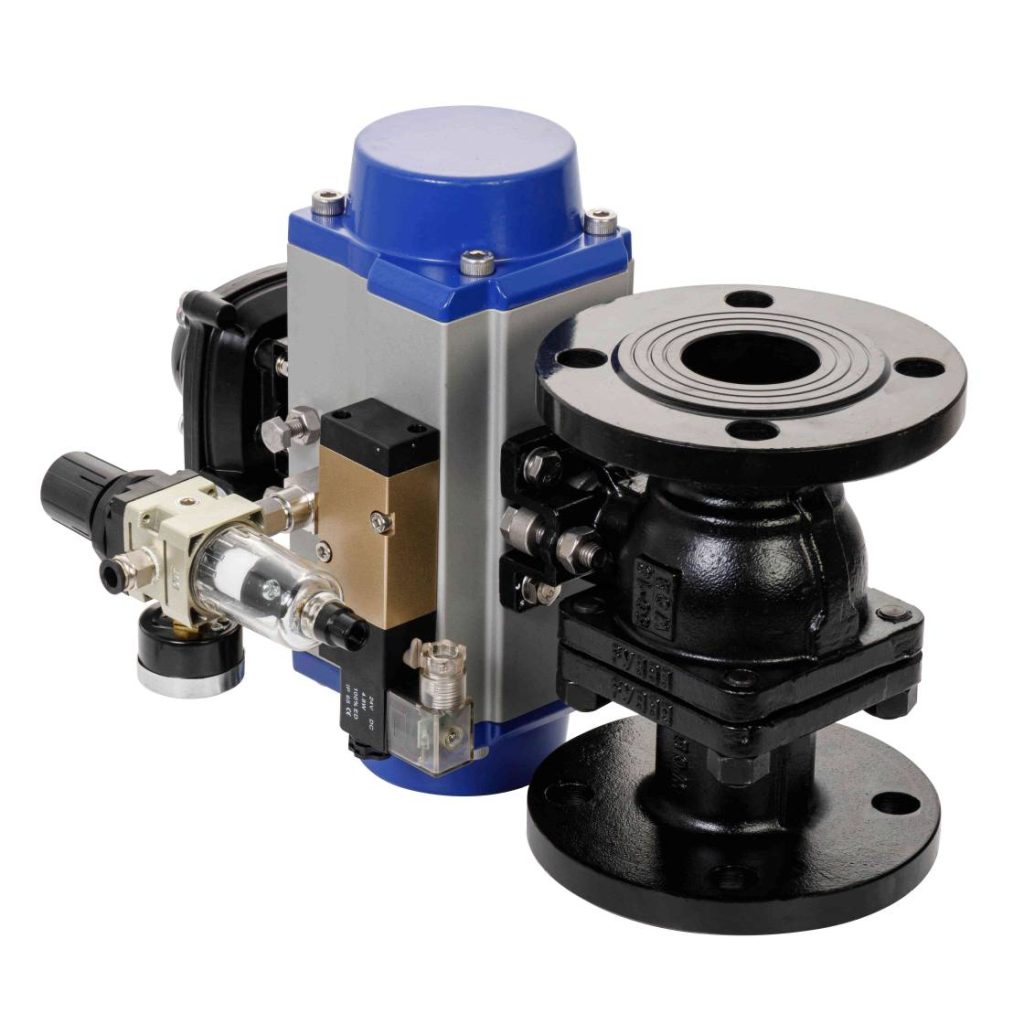
The Stainless Steel Pneumatic Ball Valve is a versatile and reliable component used in fluid control systems, especially in industries that require quick response times, high durability, and precision in regulating fluid flow. Whether you’re working in chemical processing, oil and gas, or food production, this type of valve is designed to withstand challenging environments while providing efficient operation. In this article, we will explore the key features, working principle, applications, and benefits of the stainless steel pneumatic ball valve, highlighting why it is the ultimate solution for controlling fluid flow in various industrial sectors.
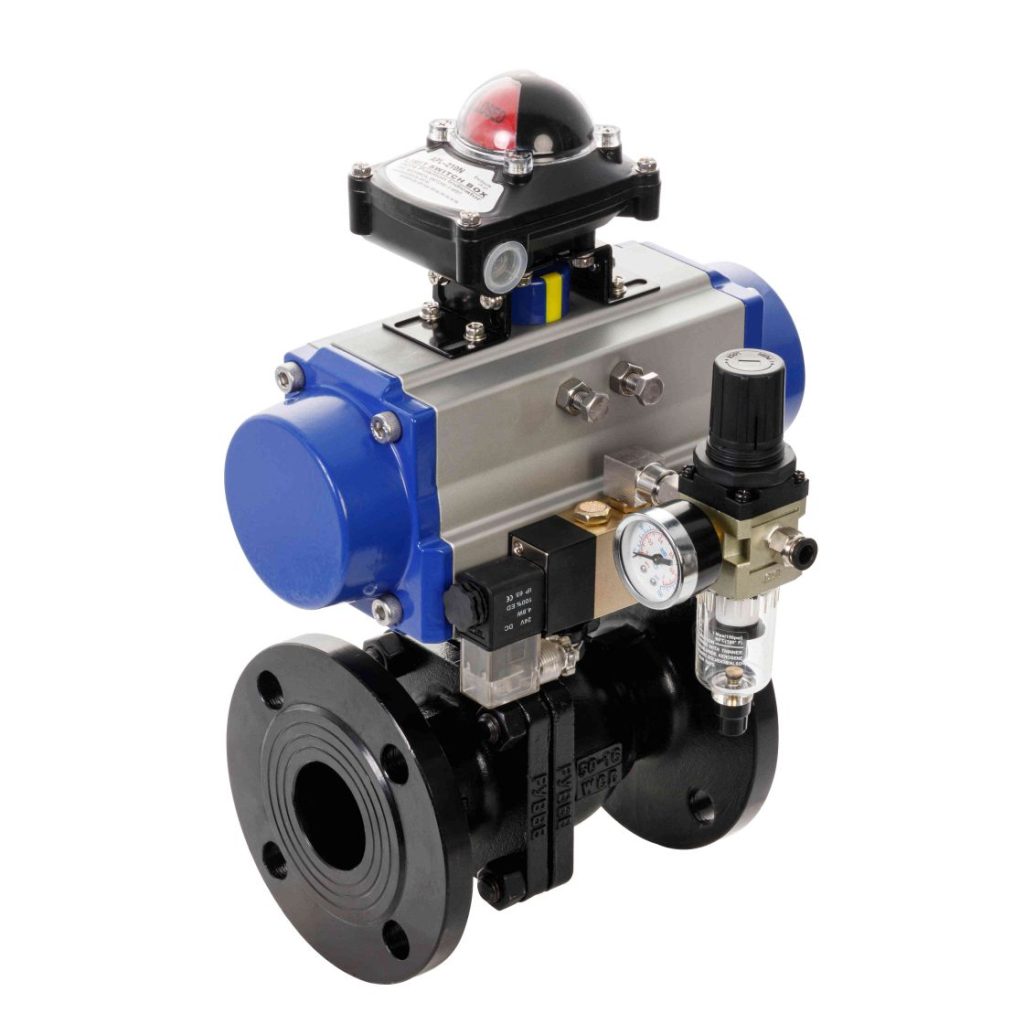
Key Features of Stainless Steel Pneumatic Ball Valves
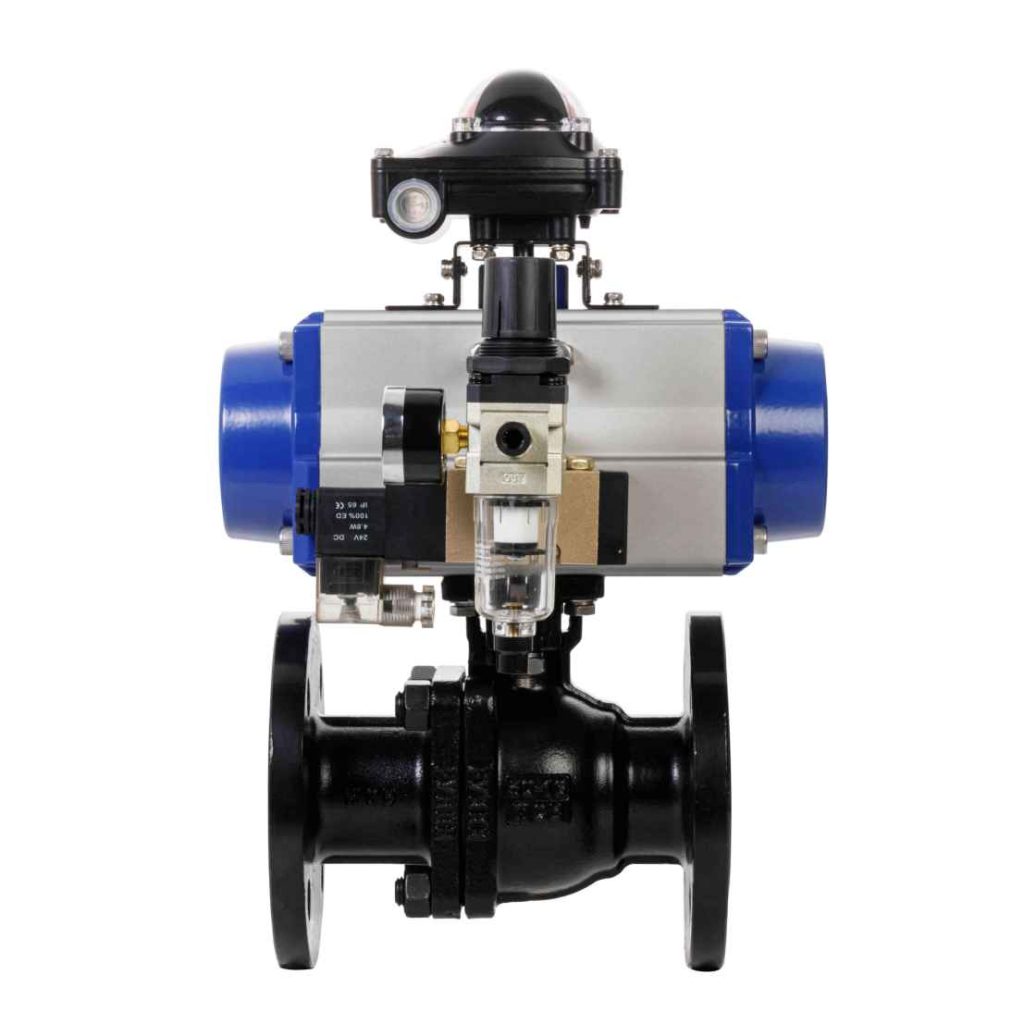
Corrosion Resistance: One of the standout features of stainless steel pneumatic ball valves is their excellent corrosion resistance. Stainless steel is inherently resistant to rust and corrosion, making it the ideal material for applications involving harsh chemicals, corrosive gases, and extreme environmental conditions. This corrosion resistance ensures the longevity of the valve, reducing the need for frequent maintenance or replacement. Pneumatic Actuation: Pneumatic ball valves operate using compressed air to move the valve mechanism. The pneumatic actuator provides quick and reliable valve operation, making these valves ideal for applications where rapid response times are essential. The ability to control the valve remotely via pneumatic signals adds an additional layer of flexibility, making these valves perfect for automation and remote control systems.