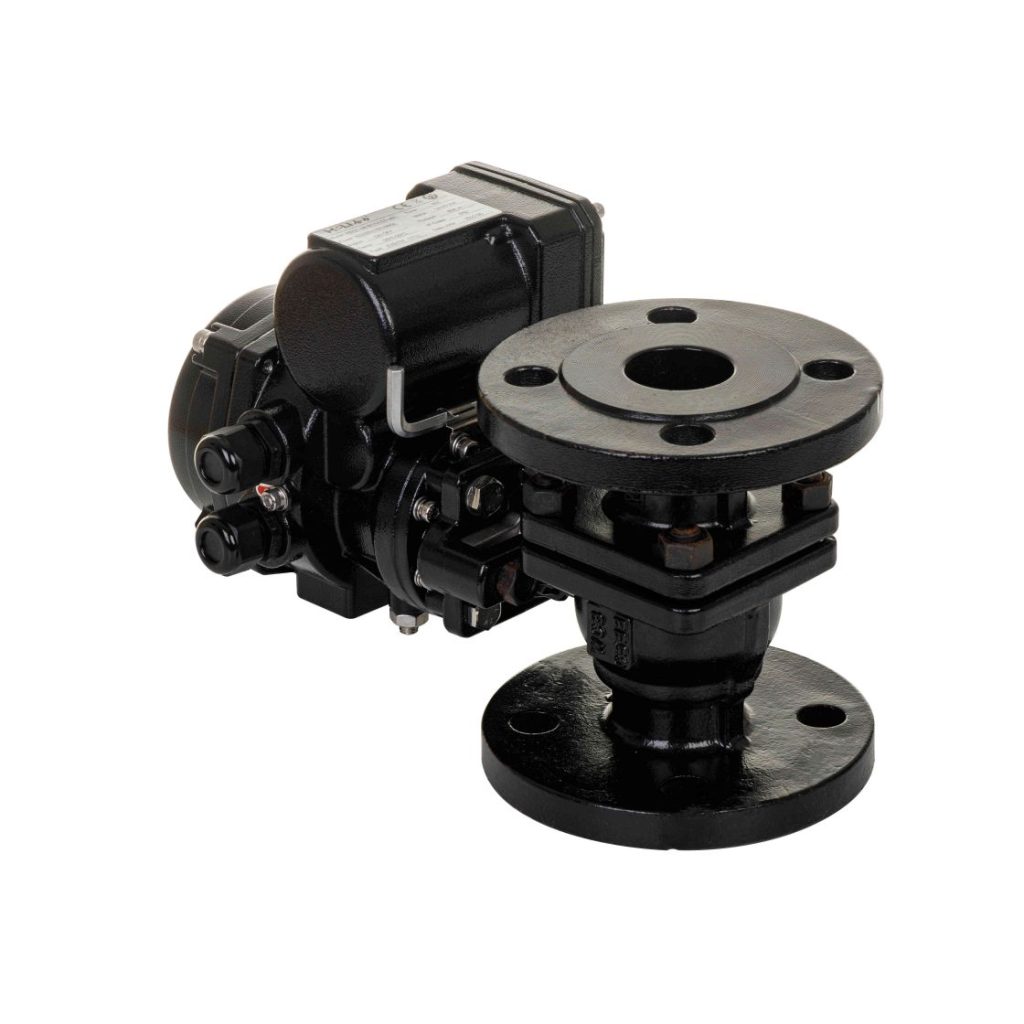
The Stainless Steel Electric Flange Ball Valve has emerged as a significant innovation in the world of industrial fluid control, providing unparalleled efficiency, precision, and reliability. With its robust construction, high durability, and electric automation features, this valve is quickly becoming the preferred choice across a variety of industries. This article delves into the essential aspects of the stainless steel electric flange ball valve, its working principle, key advantages, and its wide array of applications in modern industries.
What is a Stainless Steel Electric Flange Ball Valve?
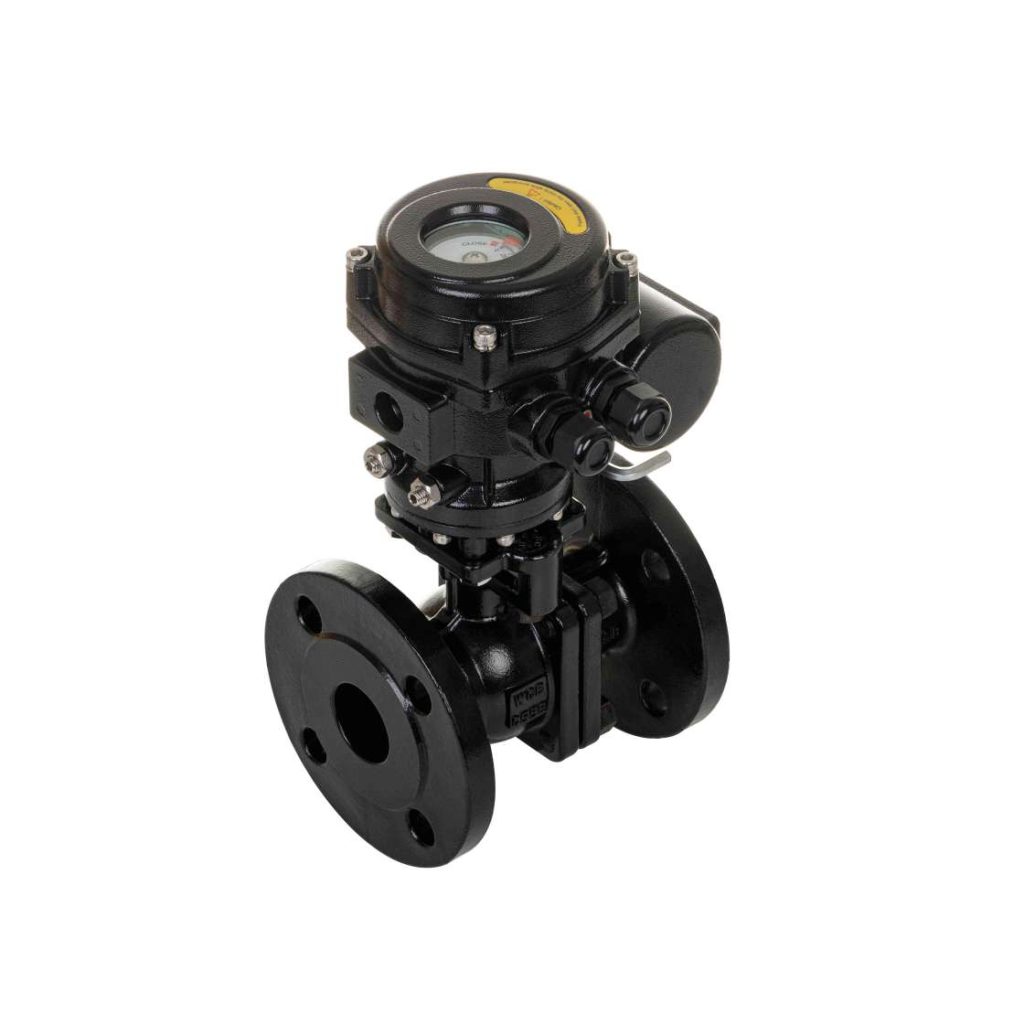
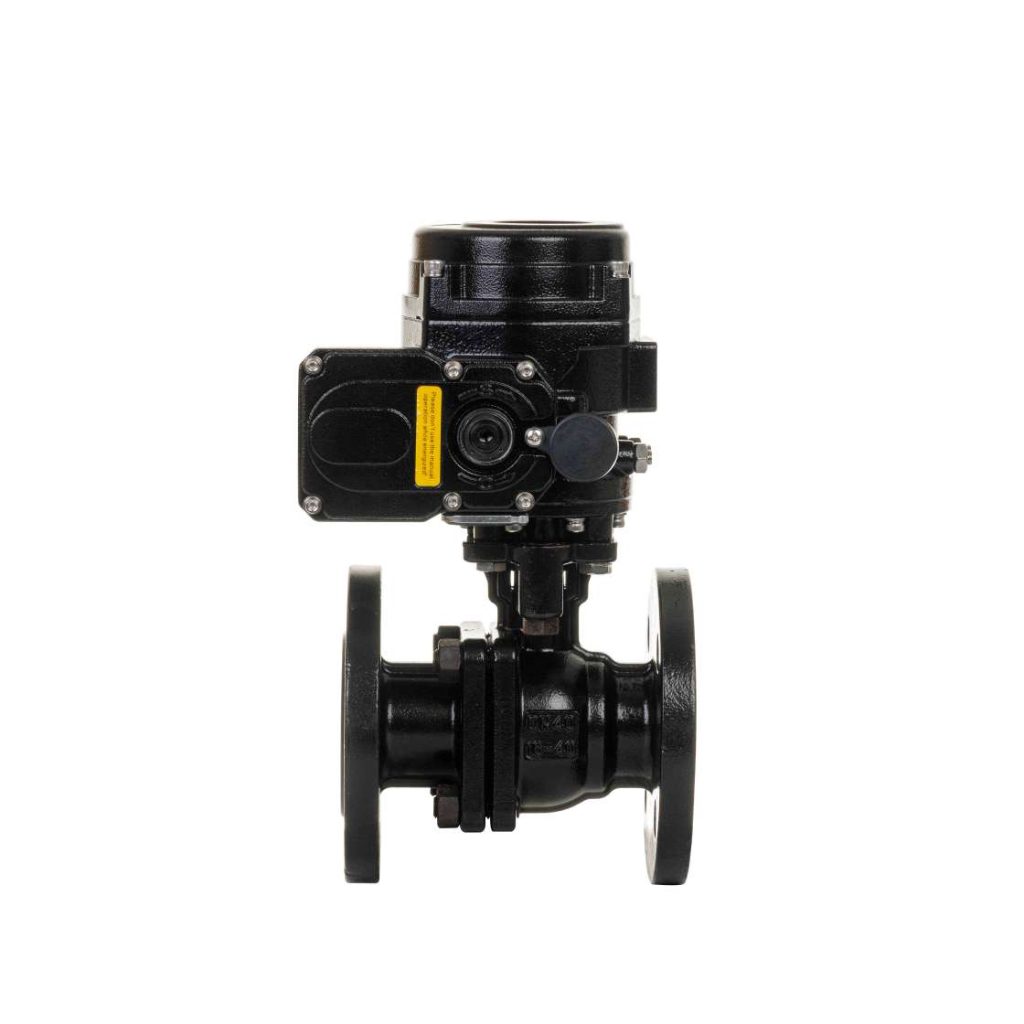
A Stainless Steel Electric Flange Ball Valve is a type of ball valve that integrates an electric actuator with a stainless steel body and flange connection. This combination allows for efficient fluid flow control, especially in complex automated systems. The valve consists of a spherical ball with a hole in the middle, which rotates to either allow or block the flow of fluids. The electric actuator moves the ball through an electric motor, providing precise control over the valve’s opening and closing actions. The “flange” refers to the valve’s connection type, which uses a flange to secure it to the pipeline. This type of connection provides a high level of leak-proof sealing, making it ideal for use in high-pressure systems or where leakage must be minimized.