Relay troubleshooting is an essential skill for anyone working with electrical systems, as relays are commonly used in various applications such as motor control, automation, and protection circuits. These electromechanical devices can encounter issues that disrupt their operation, and understanding how to troubleshoot them efficiently is key to maintaining the reliability and functionality of your systems. This article will guide you through the essential steps in relay troubleshooting, helping you to identify and resolve the most common problems.
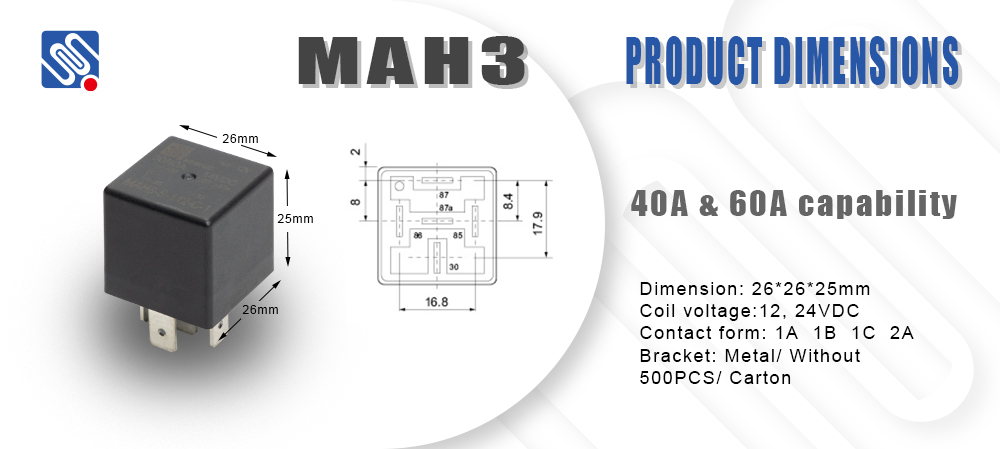
Understanding the Basics of Relays A relay is an electrical switch that opens or closes a circuit under the control of an external signal, usually a low-voltage control circuit. Relays are often used in systems where it’s necessary to control high-power devices with a low-power signal. They consist of a coil, a set of contacts (normally open or normally closed), and a mechanical armature that moves when the coil is energized. The main types of relays include electromagnetic relays, solid-state relays, and thermal relays. Each type of relay has its own set of characteristics, but the troubleshooting principles remain relatively consistent across all types.