Relay circuits are essential components in a wide range of electrical systems, serving as switches that allow low-power control signals to activate high-power devices. These circuits are widely used in automation, control systems, and safety systems due to their ability to handle high currents and voltages, all while being controlled by low-voltage control signals. This article explores the fundamental principles of relay circuit design, the components involved, and their practical applications in modern technology.
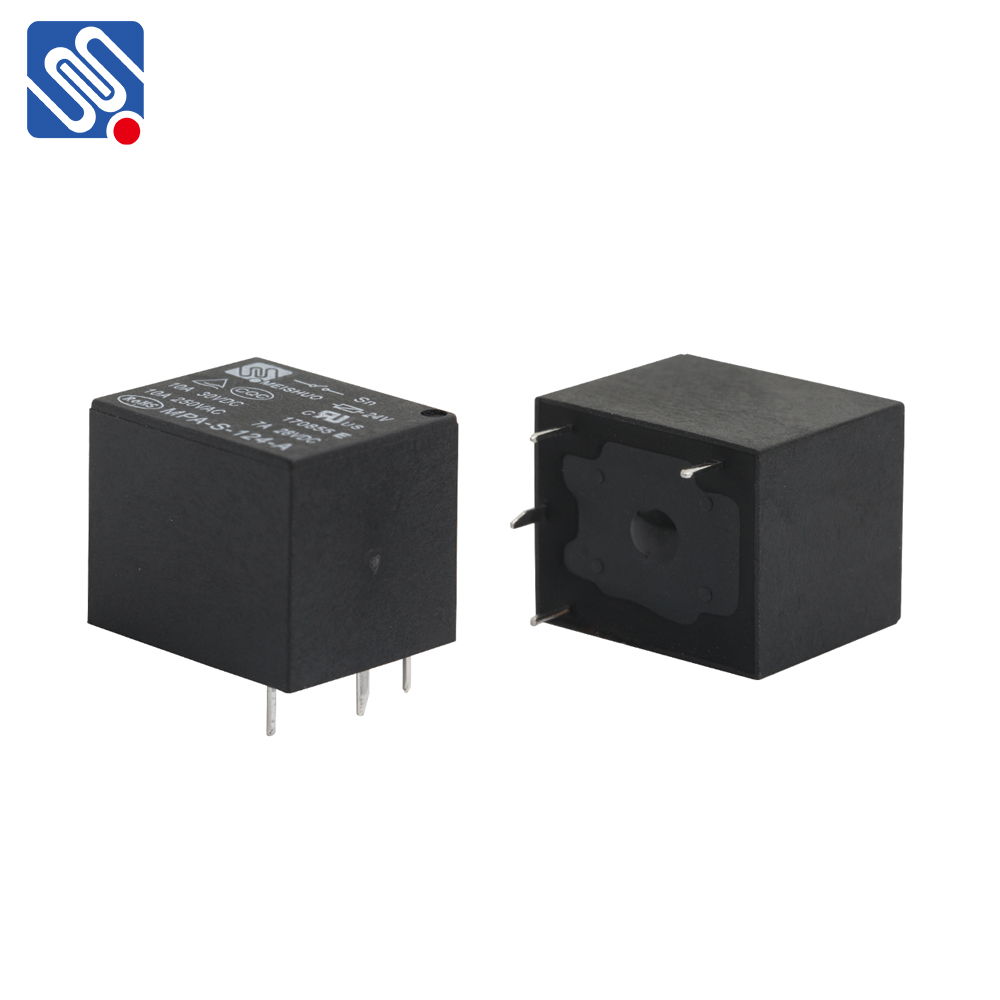
Basic Principles of Relay Circuits A relay is an electrically operated switch that uses an electromagnet to open or close a set of contacts. The control circuit, which is typically powered by a low-voltage signal, energizes the relay’s coil, creating a magnetic field that pulls a movable armature. This action either opens or closes the relay’s contacts, allowing a high-power circuit to be controlled by a low-power signal. The key advantage of using relays in electrical circuits is that they enable the switching of high-power devices, such as motors or lights, with relatively low control power, offering both flexibility and safety.