Relays are crucial components in electronic systems, allowing for the control of high-power devices through low-power signals. The application of relays spans across various industries, from automotive systems to industrial machinery and home automation. Relay application notes serve as valuable resources for engineers and designers, offering insights and guidelines on how to select, integrate, and troubleshoot relays in real-world applications. In this article, we will explore key considerations outlined in relay application notes and best practices for their efficient integration.
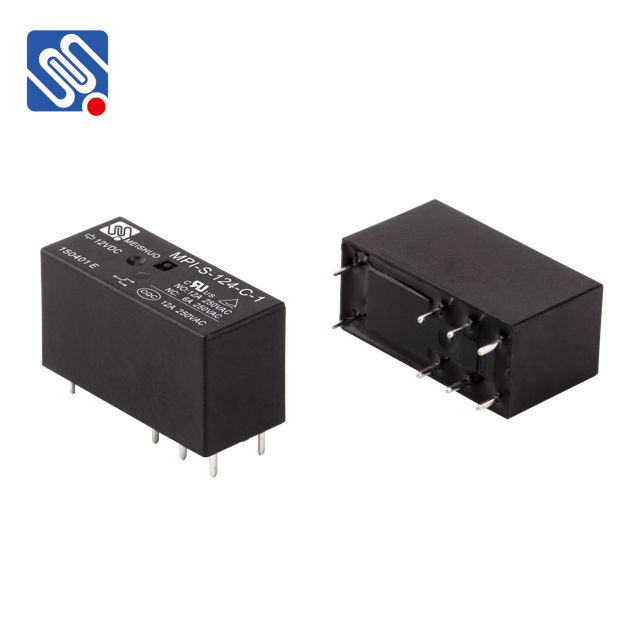
Understanding Relays A relay is an electrically operated switch that allows the control of one electrical circuit by opening or closing contacts in another circuit. Typically, relays consist of a coil (electromagnet), a set of contacts, and a spring-loaded armature. When current flows through the coil, it generates a magnetic field that moves the armature to either close or open the contacts, depending on the type of relay. Relays can be classified into different types based on their operation, including electromagnetic relays, solid-state relays, and reed relays. The Role of Relay Application Notes