The Plastic Water Solenoid Valve has become an essential component in modern fluid control systems due to its efficiency, lightweight structure, and excellent resistance to corrosion. Designed specifically for controlling the flow of water and other compatible liquids, this type of valve uses electromagnetic force to open or close the internal passage, allowing precise and automatic control in a wide variety of applications. From household appliances to agricultural irrigation and industrial water treatment, plastic water solenoid valves offer a dependable and economical solution.
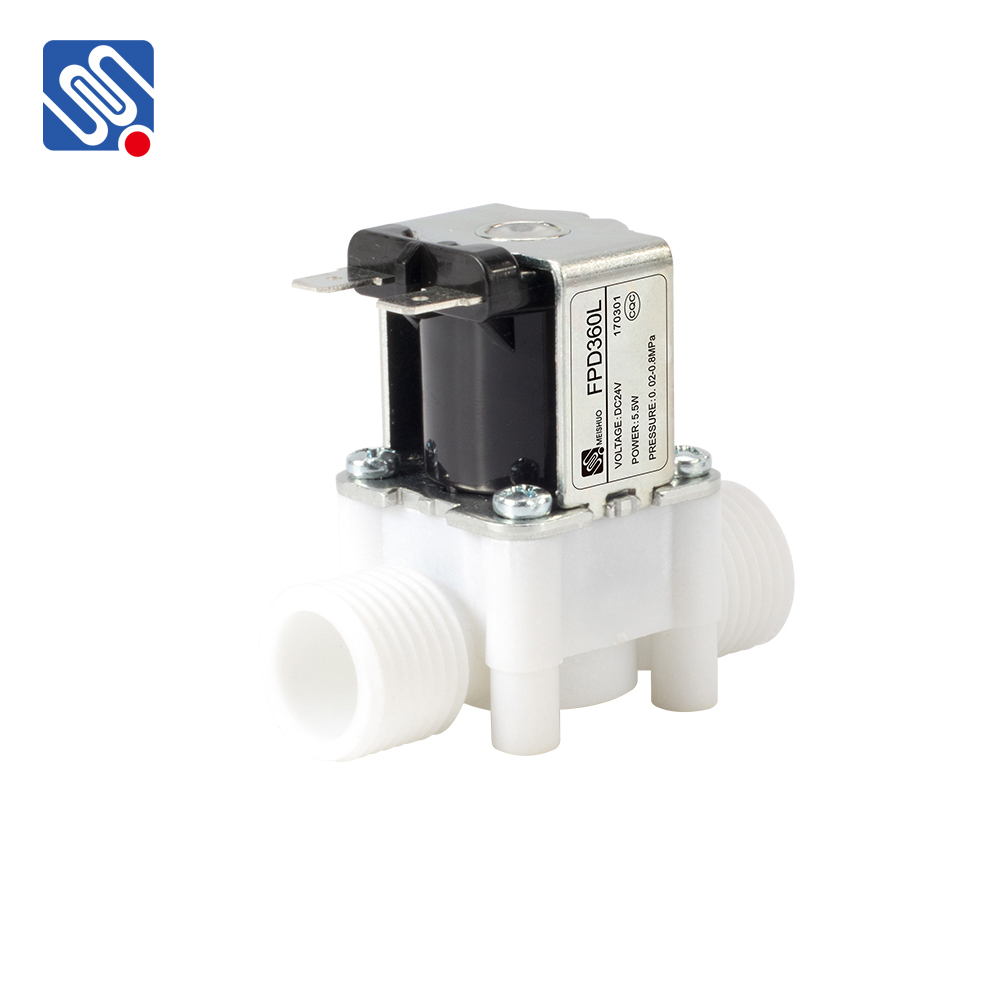
One of the most notable advantages of a plastic water solenoid valve is its material composition. Unlike traditional brass or stainless-steel valves, the body of this valve is commonly made from engineering plastics such as PVC, PP, nylon, or POM. These materials provide strong chemical resistance, making the valve highly suitable for water, purified liquids, and mildly corrosive solutions. Because plastic does not rust, the valve maintains long-term performance even in humid or wet environments. This feature significantly reduces maintenance costs and extends service life. The working principle of a plastic water solenoid valve is relatively simple yet highly effective. At the heart of the device is an electromagnetic coil. When electrical power is supplied, the coil generates a magnetic field that moves a plunger or diaphragm inside the valve. This movement either opens or closes the water channel depending on whether the valve is normally closed or normally open. In a normally closed design, the valve remains shut until power is applied, while in a normally open design, the opposite occurs. Such responsiveness makes it ideal for automated systems requiring quick switching and accurate timing.