In the realm of industrial maintenance and safety, Lockout Hasps play a critical role in protecting workers from potential hazards associated with the unexpected startup of machinery. These essential devices allow maintenance personnel to secure energy sources and ensure a safe working environment while conducting repairs or inspections. This article serves as a comprehensive guide on how to properly install Lockout Hasps, providing detailed steps and safety insights to enhance workplace safety procedures.
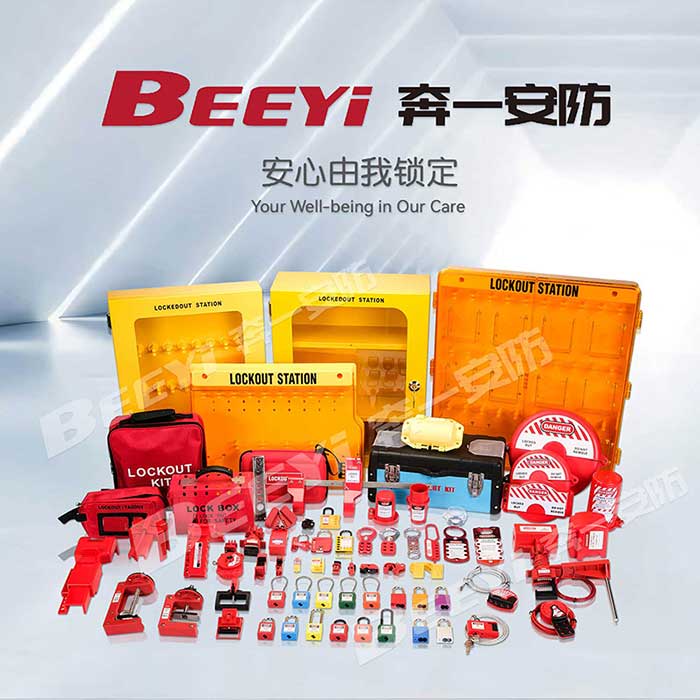
Understanding Lockout Hasps Lockout Hasps are mechanical devices designed to secure a lock on a piece of equipment, preventing it from being unwittingly operated. Typically, they consist of a sturdy metal clip that can hold multiple locks simultaneously. This feature is particularly beneficial in team environments where several technicians may be working on the same machine. Each individual can apply their own lock to the hasp, ensuring that all parties are protected during the maintenance process. Step-by-Step Installation Guide 1. Choose the Right Lockout Hasp The first step in the installation process is selecting the appropriate Lockout Hasp. Factors to consider include the size of the lockout point and the number of locks required. Make sure the chosen hasp complies with industry standards and regulations. A hasp that can accommodate multiple locks is essential if multiple technicians will be working on the equipment.