Lockout hasps are essential tools in workplace safety, especially when dealing with hazardous equipment or machinery during maintenance procedures. The concept of lockout/tagout (LOTO) programs aims to protect workers from accidental injuries caused by the unintended release of hazardous energy while working on equipment. Lockout hasps serve a critical role in implementing these programs, ensuring that energy sources are fully isolated and locked out before any work begins. In this article, we will explore the application of lockout hasps, their importance in maintaining a safe working environment, and the benefits they bring to various industries.
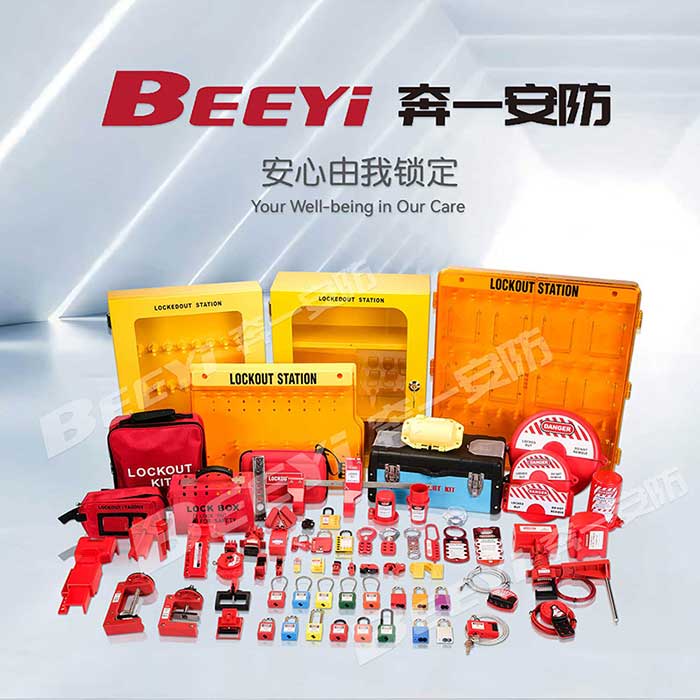
What are Lockout Hasps? Lockout hasps are locking devices that are used to secure isolation points on machinery or electrical systems to prevent accidental activation while maintenance or repairs are being performed. A lockout hasp is a metal device with multiple holes that allows several locks to be attached at once. This enables each worker involved in the maintenance of the same equipment to lock out their individual energy sources and ensure that no one person can remove the lock without others being notified. Typically, lockout hasps are designed with a durable and robust construction, ensuring that they withstand industrial environments. They are often used alongside other lockout/tagout devices such as padlocks, valve covers, and circuit breaker locks to create a comprehensive energy isolation system.