Lock Out Tag Out (LOTO) locks are an essential component of workplace safety programs, designed to prevent accidents and injuries during equipment maintenance and repair. These locks are part of a broader system that addresses hazardous energy control, ensuring that workers are protected from the unintended release of energy while servicing machinery. The LOTO procedure, which involves physically locking and tagging equipment to prevent unauthorized use, is crucial for safeguarding the lives of employees in industries such as manufacturing, construction, and utilities.
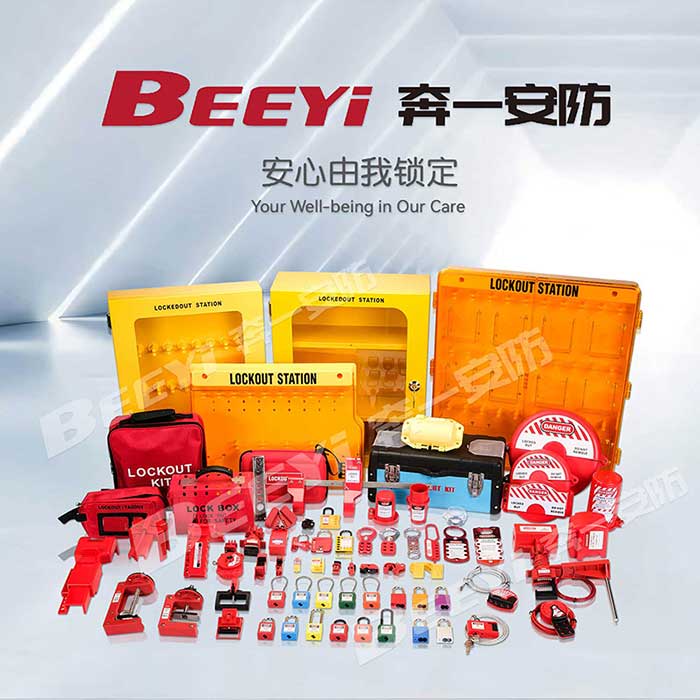
The Concept of Lock Out Tag Out (LOTO) The primary goal of Lock Out Tag Out locks is to isolate a piece of equipment or machinery from its energy sources during maintenance. Hazardous energy can take various forms, including electrical, mechanical, hydraulic, pneumatic, chemical, thermal, or gravitational energy. If these energy sources are not properly controlled, they can lead to injuries or fatalities. LOTO locks serve as a physical barrier to energy release and clearly indicate that maintenance work is in progress. LOTO involves two critical components: lockout and tagout. The lockout refers to the physical locking of an energy-isolating device, such as a switch, valve, or breaker, to prevent the machine from being turned on. Tagout, on the other hand, involves placing a warning tag on the device to inform others that the equipment is under maintenance and should not be operated. Together, these measures ensure that no one can unknowingly start the equipment while work is being performed.