Lock Out Tag Out (LOTO) devices are essential tools in industrial and maintenance settings, designed to protect workers from unexpected energy releases that could cause injuries or fatalities. These devices form the core of the Lock Out Tag Out procedure, which isolates machinery and equipment from their energy sources during maintenance, repair, or cleaning. Understanding the types, applications, and significance of LOTO devices is crucial for creating a safe working environment.
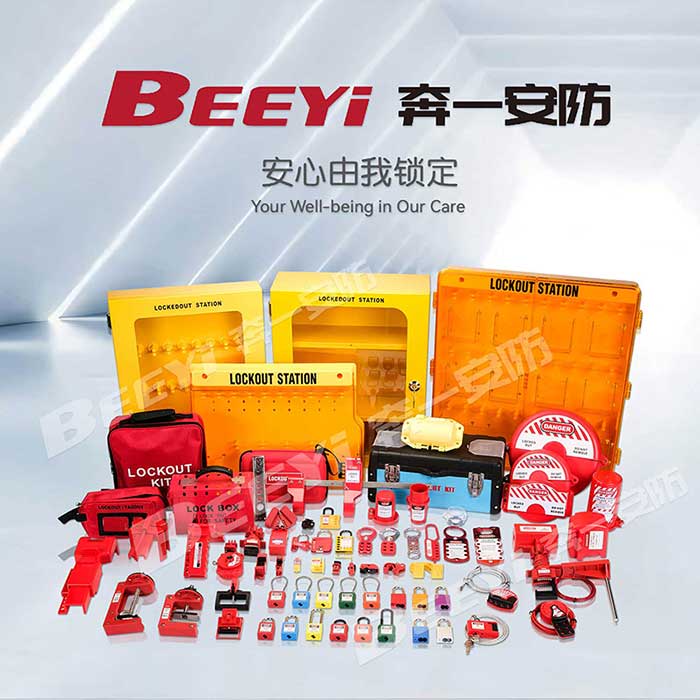
At its core, a Lock Out Tag Out device serves two primary functions: physical isolation and visual warning. Physical isolation is achieved through locks, hasps, and other locking mechanisms that prevent equipment from being energized or started inadvertently. Tags, on the other hand, provide clear visual warnings, indicating that a machine or system is under maintenance and should not be operated. Together, these components ensure that all personnel are aware of the potential hazards and prevent accidental energy release. There are several categories of LOTO devices tailored to different types of energy sources. Electrical lockout devices, such as circuit breaker locks or plug locks, are used to prevent the flow of electrical current to equipment. Valve lockout devices secure gas, water, or hydraulic lines, ensuring that fluids or gases cannot flow unexpectedly. Additionally, mechanical energy can be controlled using lockout bars or clamps that immobilize moving parts. Each device is designed to be durable, tamper-resistant, and easy to use, ensuring that workers can apply and remove them safely.