In electrical power systems, especially in high-voltage applications, the occurrence of electrical arcs is an inevitable challenge. These arcs, which form when electrical contacts are opened or closed, can lead to severe equipment damage, operational hazards, and even fire risks. To mitigate these risks, a crucial device known as the Arc Suppression Relay (ASR) is employed. This article explores the functionality, importance, and applications of arc suppression relays in modern electrical systems.
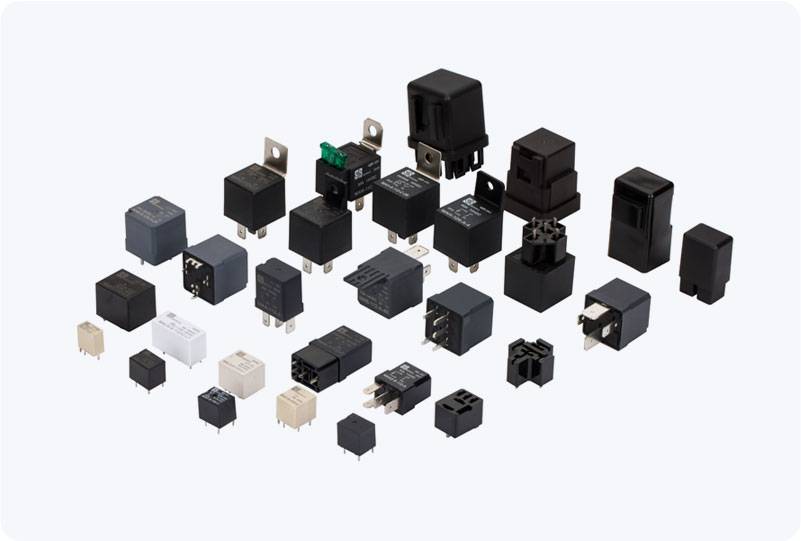
What is an Arc Suppression Relay? An Arc Suppression Relay (ASR) is an electrical protection device designed to detect and suppress arcs that can form during the switching processes of electrical circuits. The primary purpose of an ASR is to prevent or minimize the destructive effects of electrical arcs, which occur when electrical contacts in a switchgear or breaker open while current is still flowing through the circuit. These arcs can cause significant damage to the contacts, leading to system failures or, in some cases, fires. The ASR operates by continuously monitoring the voltage and current characteristics in the circuit. When it detects the formation of an electrical arc (typically indicated by abnormal changes in these characteristics), it activates specific actions to suppress or extinguish the arc. The suppression mechanisms can vary, but the goal is to protect the electrical equipment from excessive wear or damage caused by the arc.